How nature based solutions revive water security
DAR ES SALAAM: THE Dar es Salaam Water Security (DWS) Project stands as a compelling reminder that environmental conservation is not an abstract ideal but a practical tool for improving everyday life.
Implemented by the World Wide Fund for Nature (WWF) Tanzania in collaboration with Tanzania Breweries Limited, the project has demonstrated how nature-based solutions can restore degraded ecosystems while directly protecting human health and dignity.
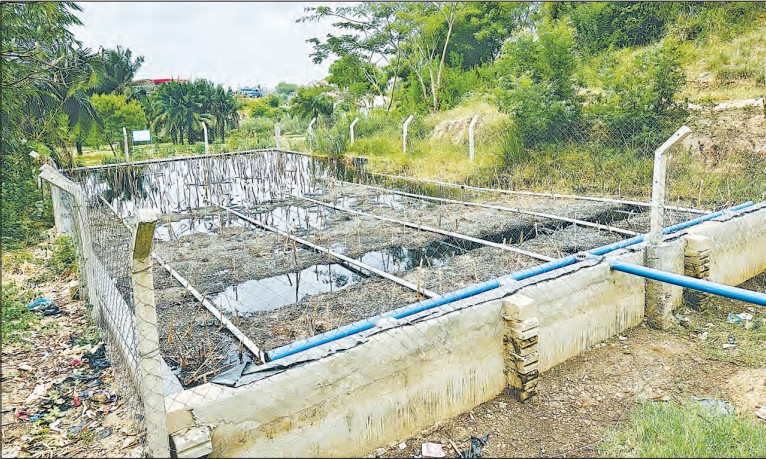
In Temeke District, particularly in Buza area, the project has transformed a longneglected water source into a symbol of renewal. Along the Kizinga River, where pollution once threatened lives, an Artificial Wetland now quietly performs an extraordinary task: cleaning water, restoring ecosystems and safeguarding the wellbeing of the surrounding community.
For years, residents of Buza ward lived with a silent but dangerous crisis. A natural spring along the Kizinga River had once provided freshwater for domestic use.
Over time, however, unregulated waste disposal, upstream environmental damage, and rapid urban growth stripped the spring of its life-giving role. What remained was polluted water surrounded by an open dumpsite, an eyesore that doubled as a public health hazard.
The consequences were severe. Children played near contaminated water and unmanaged waste, unknowingly exposing themselves to disease. Families living close to the site endured constant foul smells, stagnant water, and the proliferation of disease-carrying organisms.
The area that once brought the community together became a source of fear, discomfort, and declining health. As the situation deteriorated, it became clear that temporary clean-ups or isolated interventions would not be enough. What was required was a solution that addressed the root of the problem while restoring the ecological function of the water source.
That solution came in the form of an Artificial Wetland an approach that works with nature rather How nature based solutions revive water security ORD561246 than against it.
Under the Dar es Salaam Water Security Project, WWF Tanzania, with support from Tanzania Breweries Limited, introduced a carefully designed wetland system that mimics natural processes. Instead of relying on expensive machinery or energy-intensive treatment plants, the wetland uses vegetation, soil, and controlled water flow to naturally filter pollutants before water re-enters the ecosystem.
ALSO READ: Monitoring and evaluation boost foundational skills
This approach is both practical and sustainable. The wetland traps waste, reduces harmful contaminants, improves water quality, and gradually restores ecological balance. It does so quietly and efficiently, proving that sometimes the most powerful technology is simply letting nature do what it has always done best. From an environmental perspective, the intervention restored a water source that had completely lost its ecological function.
From a human perspective, it addressed a daily reality that had placed lives, especially those of children at risk. The project did not merely clean water; it restored safety, dignity, and peace of mind. Community development experts note that the Kizinga River intervention highlights the inseparable link between water management and social wellbeing.
Pollution and poor waste management had placed enormous pressure on households, particularly women, who are often responsible for water collection and family hygiene.
When water sources fail, the burden is felt most sharply at home. The Artificial Wetland has significantly reduced environmental and health risks in the area. Bad odours have diminished, stagnant polluted water has been controlled, and the surrounding environment is noticeably cleaner.
These changes may sound modest, but for residents, they represent a dramatic improvement in quality of life. Local families describe a visible transformation. Where children once played near contaminated water, there is now a safer, cleaner environment. Parents no longer worry constantly about disease outbreaks linked to polluted water, especially during the rainy season.
The restored area has replaced fear with reassurance and uncertainty with stability. Beyond physical improvements, the project has strengthened community awareness about environmental protection. Residents now better understand the connection between caring for water sources and safeguarding their own health. This shift in mindset is critical for long-term sustainability, ensuring that the restored wetland remains protected rather than neglected. One of the project’s defining strengths is partnership.
The collaboration between WWF Tanzania, Tanzania Breweries Limited, water authorities, and the local community created a shared sense of ownership. Rather than being passive beneficiaries, residents became active participants in protecting and maintaining the restored ecosystem.
This collective approach has reinforced trust between institutions and communities. It has also shown that privatesector involvement, when aligned with environmental and social goals, can deliver meaningful and lasting impact.
ALSO READ: Over 100bn/- needed to upgrade 532 health centres
The wetland is not just an infrastructure project; it is a product of cooperation and shared responsibility. Urban areas like Temeke face unique water security challenges. Rapid population growth, informal settlements, and inadequate waste management place enormous strain on natural water systems. When these systems fail, the result is not only environmental degradation but also increased public health risks and social vulnerability.
The Dar es Salaam Water Security Project addresses these challenges by demonstrating that nature-based solutions are viable even in densely populated urban settings.
Rather than competing with development, conservation becomes part of the solution, protecting ecosystems while supporting human needs. Importantly, the project highlights that water security is not only about access but also about quality.
Clean water reduces disease, lowers healthcare costs, and supports productivity. By restoring the Kizinga River’s ecological function, the project contributes to broader urban resilience and long-term sustainability. Residents have also noted improved cooperation within the community.
The shared responsibility for protecting the wetland has fostered dialogue, collective action, and mutual accountability. Environmental protection is no longer seen as an external concern but as a shared community duty.
The project’s impact extends beyond Temeke. It serves as a practical example for other urban areas facing similar challenges. As cities continue to expand, the need for sustainable water management solutions will only grow. The success of the Artificial Wetland offers a replicable model grounded in local realities and ecological principles.
At its core, the Dar es Salaam Water Security Project reflects a simple but powerful idea: Protecting nature protects people. By restoring a degraded water source, the project has reduced health risks, improved living conditions, and restored dignity to a community that had lived too long with environmental neglect.
The transformation along the Kizinga River is visible, measurable and deeply human. What was once a hazardous dumping ground is now a functioning ecosystem. What was once a source of fear is now a symbol of hope.
As urban centres across Tanzania and beyond grapple with water insecurity, pollution and public health challenges, this project offers a clear lesson. Sustainable solutions do not always require complex technology. Sometimes, they require the wisdom to work with nature, the commitment to collaborate, and the courage to invest in long-term wellbeing.
Through strong partnerships, community involvement, and nature-based innovation, the Dar es Salaam Water Security Project has shown that environmental conservation can be a powerful force for social transformation. It has turned a polluted riverbank into a safer living environment and in doing so, secured water, health, and dignity for generations to come.