Investing in family planning: A smart path to healthier families and a stronger Tanzania
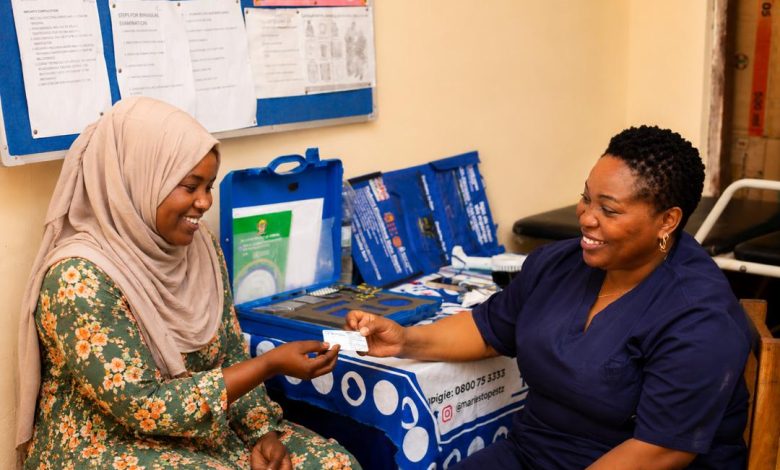
DAR ES SALAAM: Every year, thousands of women and girls in Tanzania face life-threatening complications from unintended pregnancies, early childbearing, and limited access to reproductive health services. Many of these situations are preventable. One of the most effective solutions is also one of the simplest: ensuring that every woman can access and use family planning services when they need them. Investing in family planning is therefore not just a health intervention it is a strategic investment in Tanzania’s future.
Family planning remains one of the most powerful and cost-effective investments a country can make to improve the health and wellbeing of its people. In Tanzania, strengthening access to family planning services is not only a health priority but also a critical driver of social and economic development.
Family planning enables individuals and couples to decide when to have children, how many children to have, and how long to wait between pregnancies. These decisions help protect the health of mothers and children while enabling families to plan their futures more effectively.
Evidence from both global and local studies shows that family planning significantly improves health outcomes. Access to family planning services can reduce maternal deaths by at least 44 percent and child deaths by 35 percent. It also plays a major role in preventing unsafe abortions, reducing them by up to 85 percent.
Family planning is also a key preventive measure against early and unplanned pregnancies, including teenage pregnancies. Studies show that family planning services can help prevent 29 percent of early pregnancies and 22 percent of teenage pregnancies, enabling young people to stay in school and pursue their ambitions.
Despite these benefits, Tanzania continues to face challenges related to reproductive health. The country’s fertility rate remains high at 4.8 children per woman of reproductive age, placing additional pressure on families, health systems, and national resources.
Maternal health remains a critical concern. Tanzania’s maternal mortality ratio stands at 104 deaths per 100,000 live births, and approximately 10 percent of maternal deaths are linked to unsafe abortion.
According to Dr. Berno Mwambe, a gynaecologist and Treasurer of the Association of Gynaecologists of Tanzania (AGOTA), many of these deaths could be prevented through improved access to family planning information and services.
Early sexual debut and early marriage further increase the risk of unintended pregnancies. Dr. Mwambe notes that 66 percent of women aged 25–49 had their first sexual intercourse before the age of 18, while 19 percent of women aged 15 years and older were married before the age of 18.
Teenage pregnancy also remains a significant challenge. About 22 percent of girls aged 15–19 have already been pregnant or given birth before the age of 20. Early pregnancy can interrupt education, limit employment opportunities, and increase health risks for both mother and child.
Family planning services are proven to be highly cost-effective interventions. Investing in family planning reduces the long-term costs associated with maternal and child healthcare. Studies show that every shilling invested in family planning generates multiple savings in healthcare, education, and social services.
However, access to family planning services remains uneven across the country. Nationally, 38 percent of married women use any form of family planning, while 31 percent use modern contraceptive methods.
In some regions, modern contraceptive use remains particularly low. For example, usage stands at 9 percent in Simiyu, 17 percent in Zanzibar, 19 percent in Tabora, and 20 percent in Shinyanga. These disparities highlight the need for targeted investments to ensure that services reach underserved communities.
Additionally, 21 percent of married women in Tanzania have an unmet need for family planning, meaning they want to delay or avoid pregnancy but are not using any contraceptive method. Addressing this gap would significantly reduce unintended pregnancies and improve maternal health outcomes.
According to Dr. Robert Shokolo, Manager of Clinical Quality at MSI Tanzania, expanding access to family planning services is essential for improving health outcomes.
“By expanding access to quality family planning services, strengthening community awareness, ensuring a consistent supply of contraceptive commodities, and supporting youth-friendly reproductive health services, Tanzania can accelerate progress toward healthier families and a stronger nation,” he explains.
Beyond the statistics, family planning also transforms individual lives.
Mwajuma, 20, from a rural village of Mpwapwa , shares her story:
“I had to leave school because my parents wanted my siblings to get a chance to study. In my family we are ten children, and none of us had the opportunity to complete secondary school. My parents even advised me to fail my exams so that the younger ones could at least finish primary school.”
She was married at the age of 17.
“Now I secretly visit the health facility to receive family planning services so that I can space my children. I do not want my children to end up like me. I want them to have better opportunities and continue their education beyond secondary school.”
Mwajuma explains that stigma around family planning remains strong in her community.
“Here in the village many people still fear or misunderstand family planning, but I am living proof that it works. My first child is two years old and the second is five months old. Spacing my children has helped me continue my farming activities and support my family.”
She hopes that education will empower her children to make better choices.
“I want my children to learn early about education and life planning so they can reach their dreams. If young people are informed, it becomes easier for them to make the right decisions.”
Indeed, investing in family planning goes far beyond health benefits. When women and girls can make informed reproductive choices, they are more likely to complete their education, secure decent employment, and contribute meaningfully to economic development.
Families are better able to plan their futures and provide improved care and opportunities for their children.
For Tanzania to achieve its national development aspirations, including improved maternal and child health and sustainable economic growth, family planning must remain a national priority. This requires strong collaboration between the government, development partners, civil society, the private sector, and communities.
Family planning is not simply about preventing pregnancy—it is about saving lives, empowering women and young people, and building a prosperous future for Tanzania.
When we invest in family planning today, we invest in health, dignity, and development for generations to come.
The author, Ester Shedafa, is an Advocacy and Communications Manager