From tractor to enterprise: Unlocking youth farmers’ potential
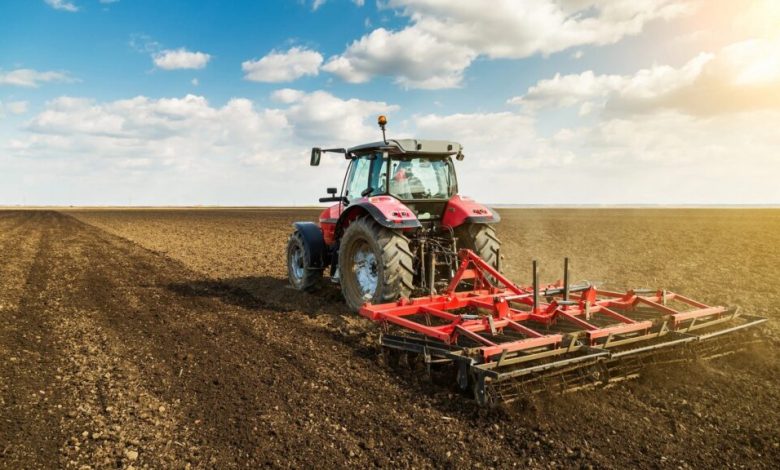
MBEYA: FOR too long, farming in Tanzania has been associated with the hand-held hoe, backbreaking labour and plots so small that they barely feed a family.
For young people, this image has been a powerful deterrent. Agriculture has often appeared to be a dead end, a means of survival rather than a pathway to success.
However, a quiet shift is underway in Tanzania’s rice-growing heartlands. The power tiller is changing not only how young people farm but also how they perceive agriculture.
Evidence comes from Mbarali District in Mbeya Region, where a study of the Norges Vel Youth Enterprise Model examined youth groups participating in a power tiller programme alongside those that were not.
The findings reveal an important lesson.
When a power tiller is placed in the hands of organised young farmers and supported by training in entrepreneurship, financial literacy and group management, the machine becomes more than equipment. It becomes the foundation of a rural enterprise. The figures tell the story.
Participating youth groups prepared an average of 66 acres of land, compared with just four acres among non-participating groups. They also harvested more rice per acre and sold it at better prices.
Most strikingly, the average net profit among participating groups was approximately 9m/-, compared with about 2m/- among those outside the programme. What explains this gap?
The answer lies not in the machine alone but in the business model built around it. Norges Vel’s approach treats mechanisation as a platform for enterprise.
Youth groups do not simply use power tillers on their own farms; they also provide land-preparation services to neighbouring farmers, turning the machinery into a source of revenue.
This is the critical insight: A power tiller is not merely a tool for production; it is a business asset. The model also demands discipline.
Participating groups are required to save 10 per cent of their net business profits. They learn record-keeping, business planning and profit analysis, effectively developing the skills needed to operate small agricultural service enterprises.
ALSO READ: Govt settles all outstanding payments owed to SGR contractors
This matters because conventional approaches to addressing youth unemployment in agriculture have often focused on training and advice. Young people are taught how to farm more effectively, but they may lack the productive assets and business opportunities needed to turn that knowledge into income.
As the Mbarali study suggests, young farmers need more than advice alone. They need productive assets and opportunities to build viable businesses.
Another finding is worth noting: Young people in more remote locations were more likely to participate in the programme.
This suggests that mechanisation-based enterprises can help address some of the disadvantages associated with distance.
Rather than being solely a constraint, remoteness can create opportunities for local agricultural service businesses.
The policy implications are clear. Tanzania’s agricultural transformation requires a shift in how mechanisation is understood. It is not simply a substitute for human labour.
In the right institutional environment, supported by training, organisation, financing and market linkages, it can become a platform for youth entrepreneurship, service provision and rural employment. The lesson from Mbarali extends beyond the power tiller.
When young farmers are treated as entrepreneurs rather than subsistence producers, agriculture can become both more productive and more attractive. The journey from the hoe to the power tiller is not merely technological.
It represents a shift in mindset: From farming as a means of survival to farming as an enterprise. For Tanzania’s next generation, that shift may be the most important harvest of all.