Free eye treatment drive reveals hidden burden of vision loss
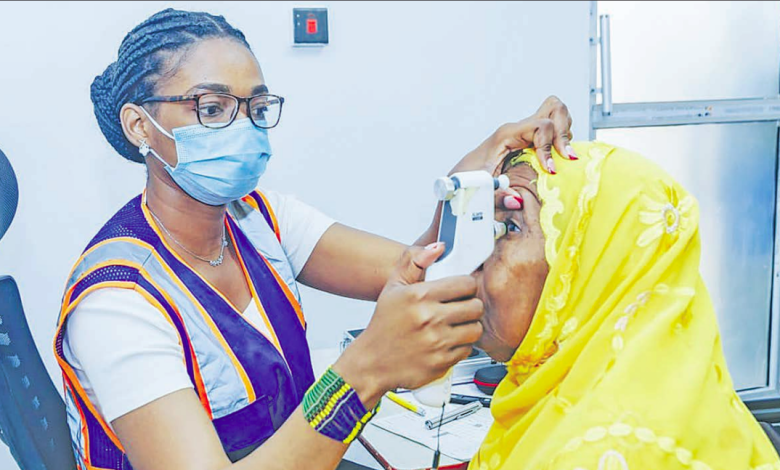
DAR ES SALAAM: MORE than 6,000 people received free eye treatment during a seven-day outreach at the 50th Dar es Salaam International Trade Fair (DITF), with dozens now set to undergo sight-restoring cataract surgery after doctors detected previously untreated eye conditions.
While thousands of visitors attended the annual exhibition to discover new products, strike business deals and enjoy the entertainment offered, many others found something far more lifechanging, free eye treatment.
At Yas Tanzania’s pavilion, hundreds of people queued daily not for mobile services but for free eye screening and treatment offered through a partnership between Yas Tanzania, Bilal Muslim Mission of Tanzania and KSI Charitable Eye Centre.
Speaking recently to the ‘Daily News’ on behalf of the medical team at the Yas Pavilion, Bilal Muslim Mission of Tanzania Optometrist Dr Martine Joseph said the response exceeded expectations, reflecting both the growing demand for eye care services and increasing public awareness of eye health.
“We managed to serve over 6,000 people during the campaign, exceeding our target. The public response has been overwhelming,” he said.
The examinations revealed a wide range of eye conditions, including myopia (short-sightedness), hyperopia (long-sightedness), cataracts, glaucoma and other vision disorders, as well as eye complications linked to environmental factors such as prolonged exposure to sunlight, dust and occupational hazards.
He said one of the campaign’s most significant outcomes was the identification of 78 patients requiring cataract surgery, which will be performed free of charge at Bilal Muslim Mission Hospital in Temeke.
Beyond treatments, the outreach also highlighted an important trend in healthseeking behaviour. Women accounted for the majority of beneficiaries, while children made up about 30 per cent of those screened.
“Women generally respond more quickly to health services, while many men prioritise work and postpone medical check-ups,” he noted.
Dr Joseph also warned that changing lifestyles are contributing to a rise in childhood vision problems, with prolonged use of televisions, smartphones, tablets and computers, combined with reduced outdoor activity, leading to increasing cases of myopia.
“Many children attending the programme complained they could not see the classroom board clearly,” he said.
Beyond childhood vision problems, Dr Joseph said diabetes and hypertension are becoming major causes of vision impairment in Tanzania.
“If left uncontrolled, both conditions can permanently damage the eyes and eventually lead to blindness,” he warned.
He urged people to seek regular eye examinations saying improved awareness is encouraging more Tanzanians to seek treatment before vision loss becomes severe.
“Today, people understand the importance of early diagnosis and treatment,” Dr Joseph said. Dr Joseph praised Yas Tanzania for extending its corporate social responsibility beyond telecommunications by investing in community health.
He said the partnership demonstrates how private companies can make a lasting social impact when they collaborate with health institutions.
For many beneficiaries, the free eye care campaign offered much more than treatment by restoring hope, preventing avoidable blindness and reaffirming that access to quality healthcare should not depend on one’s ability to pay.
One of the beneficiaries, Ms Riziki Sheha (40) said the treatment helped her regain her sight free of charge, something she had long been unable to afford.
ALSO READ: Govt warns against use of traditional medicine in Red Eyes treatment
“Without this free programme, where would people like us who cannot afford treatment go? I might have continued living with my eye condition,” she said. Besides undergoing a comprehensive eye examination at the Yas Pavilion, she also received free medication and a pair of sunglasses.
Ms Asha Haji (50), who had been struggling with myopia (short-sightedness), shared similar sentiments, saying the programme had restored her clear vision.
“Before coming here, everything looked blurry and it was becoming difficult to go about my daily activities. After receiving treatment, I can see clearly again. This programme has given me back something I thought I had lost. She urged other organisations and healthcare stakeholders to emulate the initiative by supporting similar outreach programmes that provide specialised healthcare services to underserved communities.
Yas Tanzania’s Head of Region for Dar-South, Mr Robert Kasulwa, said the initiative came amid growing concern over limited access to affordable eye care services in the country, with many people delaying treatment due to cost or lack of specialised facilities, often leading to preventable vision loss.
Mr Kasulwa said Yas utilised the SabaSaba platform not only to showcase its services but also to contribute to community wellbeing.
“Good vision is essential for learning, productivity and overall quality of life. Through this initiative, we aim to support Tanzanians in accessing basic eye care services that can make a real difference in their daily lives,” he said.
Mr Kasulwa noted that the programme builds on the company’s ongoing Eye Health for All campaign which has so far reached over 38,000 people across the country through screenings, treatment, provision of prescription glasses and referrals for specialised care.
He added that the company plans to expand the initiative to reach more communities, citing the positive impact recorded so far.
KSI Charitable Eye Centre Chairman, Mr Anver Rajper emphasised the importance of early diagnosis in preventing serious eye conditions.
“Most eye problems can be treated or managed if detected early. Bringing these services closer to the public, especially at no cost, helps reduce the burden on individuals who might otherwise delay seeking care,” he said.
He said the partnership demonstrates how private companies can make a lasting social impact when they collaborate with health institutions.
Dar es Salaam Regional Commissioner, Mr Albert Chalamila, praised Yas Tanzania for launching the free eye screening programme and encouraged residents of Dar es Salaam to take advantage of the initiative by undergoing eye examinations and accessing treatment.