From classrooms to villages, Babati students take up fight for environmental protection and wildlife conservation
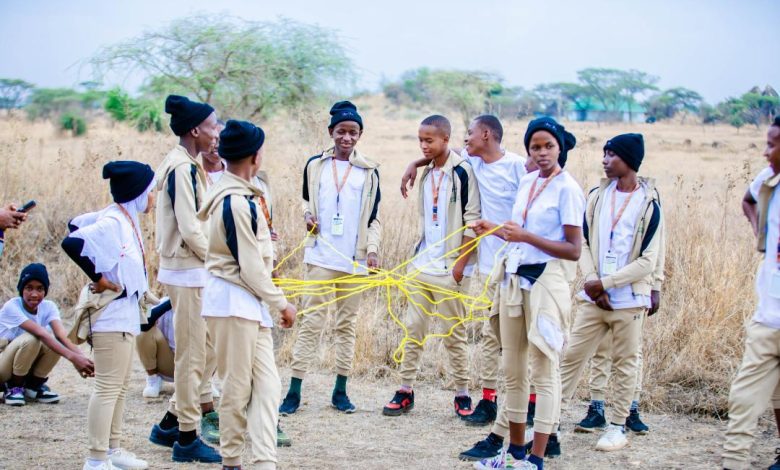
BABATI: FOR 40 secondary school students from communities surrounding the Burunge Wildlife Management Area (WMA) in Babati District, the recent five-day educational tour of Serengeti National Park and the Ngorongoro Conservation Area offered more than an opportunity to see wildlife.
It also provided lessons on climate change, environmental protection and the economic benefits of conserving natural resources, which they are now expected to share with their communities.
The students returned to Babati District, with a responsibility to translate their experiences into practical conservation awareness among villagers. Welcoming them back, Babati District Council Executive Director Anna Mbogo urged them to work with teachers and other stakeholders to educate communities about climate change, environmental conservation and the importance of protecting wildlife.
The initiative comes as communities across Tanzania confront changing weather patterns and other environmental challenges that affect livelihoods, agriculture and natural resources. Mbogo said Babati District, in Manyara Region, was among areas experiencing the effects of climate change, although some residents remained insufficiently informed about its consequences.
“We are witnessing significant changes in rainfall patterns and rising temperatures, and we expect El Niño rains this year. You have received education on these issues, including environmental conservation, and we expect you to share this knowledge with your communities when you return to your villages,” she said.
Her message placed the students at the centre of efforts to bridge the environmental knowledge gap. By sharing what they learned with families, neighbours and fellow students, they can help communities understand how environmental changes affect daily life and why responsible management of natural resources matters.
ALSO READ: NBC backs new ETFs targeting Africa’s key economic sectors
The tour was organised by Chem Chem Association, an organisation involved in tourism and conservation activities in the area. It brought together students, government officials and parents, allowing participants to gain practical exposure to wildlife conservation and tourism beyond what can be taught in classrooms.
Mbogo said the value of the visit would extend beyond the students themselves if they communicated their experiences effectively. She noted that access to major conservation destinations remained limited for many Tanzanians, making it important for those who received such opportunities to share their knowledge with others.
“You have been given a valuable opportunity to visit and learn about Serengeti and Ngorongoro, but many Tanzanians have never had such an opportunity, while others spend considerable amounts of money to access it. You should therefore become good ambassadors for conservation and tourism,” she said.
Serengeti National Park and the Ngorongoro Conservation Area are important components of Tanzania’s wildlife heritage and tourism industry.
Their ecological value depends on protecting wildlife habitats, maintaining biodiversity and encouraging practices that support the long-term survival of natural resources. Understanding these connections can help young people appreciate conservation as both an environmental responsibility and a contributor to economic opportunities.
Mbogo added that the programme supported government efforts to promote conservation and tourism under President Samia Suluhu Hassan. She cited The Royal Tour film, which has been distributed internationally, as one initiative used to showcase Tanzania’s tourism attractions and conservation potential to global audiences.
For Chem Chem Association, investing in young people is a way of building conservation awareness that can continue across generations. Executive Director Clever Zulu said the organisation and its partners financed the tour to give students firsthand experience of conservation and tourism, enabling them to become informed advocates in their communities.
“At Chem Chem, we believe that you are still young, and if you understand the benefits of conservation and tourism, you will educate others and pass on to future generations the importance of protecting the environment and the wildlife we have today,” he said.
The association organised the educational tour for the second time, reflecting its continued effort to connect learning with practical conservation experiences. Such exposure can help students understand how wildlife protection, environmental stewardship and tourism are linked, while encouraging them to consider their own role in safeguarding natural resources.
Babati District Wildlife Officer Christopher Laizer said the programme would strengthen conservation efforts by increasing the number of people capable of communicating its benefits to villagers.
He emphasised the importance of sharing positive experiences about conservation and tourism to encourage greater community participation. Community involvement is essential because conservation outcomes are influenced not only by activities inside protected areas but also by decisions made in surrounding settlements.
Awareness of wildlife, habitats and environmental changes can help residents understand the importance of protecting natural resources and supporting sustainable tourism.
Chem Chem Community Development Projects Officer Napendali Wazoeli thanked teachers, Kanaga Tourism Company, the Mkono kwa Mkono organisations and the government for supporting the successful implementation of the five-day programme.
Their participation helped make the educational experience possible. Students and parents who took part also expressed appreciation to Chem Chem and the government, saying the visit had provided knowledge they could apply in their daily lives and share with others. Students Fatuma Shaban and Lulu John said they intended to use their new understanding to educate their communities.
They explained that the tour had taught them about conservation, wildlife behaviour and climate change, giving them practical lessons to communicate beyond the classroom. Their next task is to turn those lessons into conversations and actions at home. If the students share their experiences effectively, the benefits of the tour could reach far beyond the 40 participants, strengthening public understanding of environmental protection and helping nurture a generation that recognises conservation as a shared responsibility.