FOLUR Project to bring global guidelines to Zanzibar’s operational areas
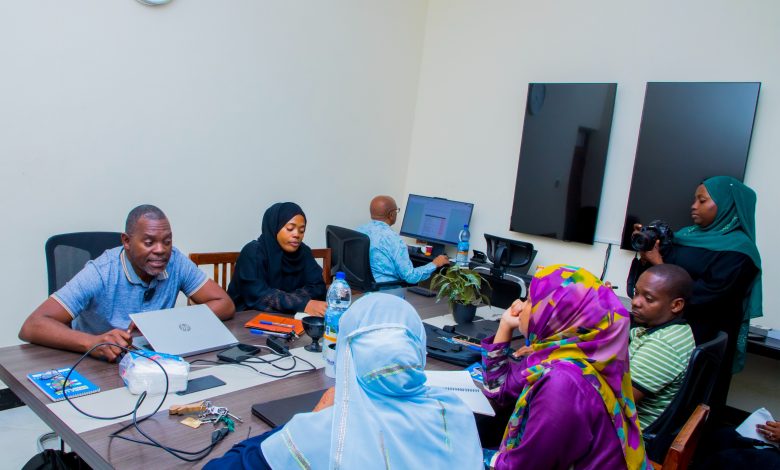
ZANZIBAR: THE Tanzania Food Systems, Land Use and Landscape Restoration (FOLUR) PROJECT is set to provide specialized training to village government leaders and various shehia in Zanzibar.
The move aims to build operational capacity and ensure that the community implements the project’s activities in line with international standards.
Opening the training to agricultural and forestry extension officers in Zanzibar, the project’s coordinator, Miza Suleiman Khamis, said the main objective is to enable the practitioners to identify, avoid or mitigate potential negative impacts before they harm community members and their environment.

For his part, the project’s Gender, Environmental and Social Security Unit Manager, Revocatus Kadoshi, noted that shehia leaders and extension officers will be trained on four main guidelines.
Among the guidelines is the Environmental and Social Management Plan (ESMP), which deals with the control of resource use and the prevention of involuntary resettlement.
Kadoshi explained that the guideline aims to control and mitigate environmental and social impacts during the implementation of the project.
He added that the measure is in line with the requirements of the World Wide Fund for Nature (WWF) Integrated Social Protection Policy and Procedures Guidelines.
“These leaders will also be trained on Participatory Pest Management. This aims to protect the health and safety of the community by controlling the impacts arising from the use of pesticides and fertilizers,” said Kadoshi.
In addition, the training will involve environmental management techniques that ensure community well-being, workplace safety, as well as environmental hygiene throughout the implementation of the project activities.
He also added that, to ensure community safety, the project has established a special procedure to receive and process complaints from a community member or social group regarding activities implemented by the project.
“This aims to ensure that the community participates effectively in project activities and has the opportunity to raise concerns or complaints at any time.”