Fish-feed standards enforcement gains fresh impetus
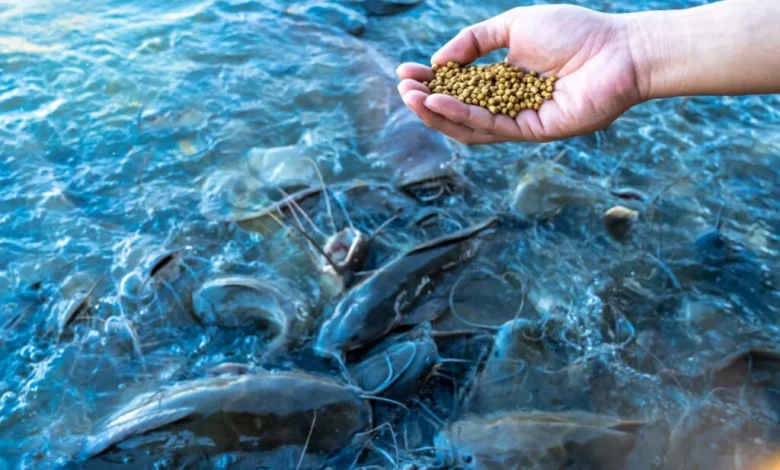
MWANZA: THE government is tightening control on fish feeds used in cage farming as authorities seek to raise aquaculture productivity while protecting consumers and the Lake Victoria ecosystem from unsafe products and pollution.
The government is stepping up inspection of fish-feed producers, distributors and farmers, with legal action against those found using or supplying products that fail to meet required standards, Simon Langoi, head of Agriculture, Livestock and Fisheries in Ilemela Municipality, said.
The measures are part of wider efforts to strengthen aquaculture under the National Development Vision 2050, with food safety, environmental protection and professional management placed at the centre of the sector’s expansion.
“Ilemela Municipality has a total of 267 fish farms in Lake Victoria as well as 47 fish farming ponds,” Langoi said, adding that quality and safe feeds are critical to improving production.
The Tanzania Bureau of Standards, Ministry of Livestock and Fisheries and the Office of the Chief Government Chemist are conducting inspections and laboratory tests to ensure fish feeds comply with national requirements, he said.
Authorities are also increasing extension services to help farmers use approved feeds, manage cages properly and maintain fish health, according to Langoi.
Farmers are being advised to apply appropriate feeding rates and control fish density in cages to limit feed waste, which can contribute to water pollution.
ALSO READ: TBS drives product quality for market growth
Substandard feeds can undermine fish health and food safety while increasing production costs and causing financial losses for farmers, Langoi said.
The enforcement comes as Tanzania expands aquaculture to meet rising demand for fish, putting greater pressure on farmers and regulators to increase output without undermining aquatic ecosystems.
The government’s approach signals a shift toward tighter oversight of a sector seen as important for food security, jobs and incomes, while ensuring that rapid growth in fish farming does not come at the expense of Lake Victoria’s environmental health.