

Devise new system for land compensation
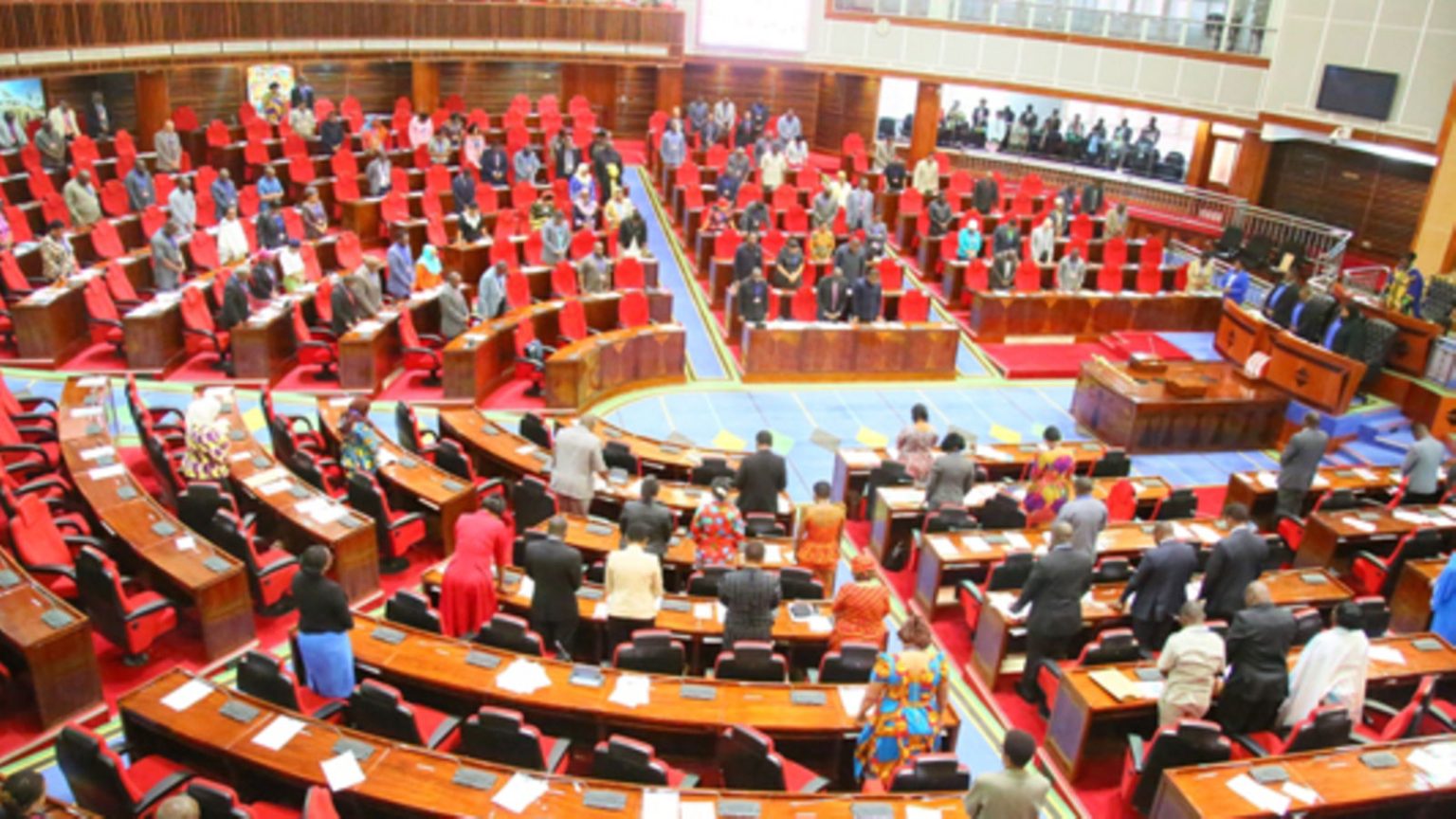
DODOMA: MEMBERS of Parliament have called upon the government to come up with a new arrangement for compensating individuals whose land is acquired for transport infrastructure projects.
The legislators made the call yesterday when deliberating on the 2024 Report tabled in Parliament by the Chairperson of the Parliamentary Standing Committee on Infrastructure Development, Mr Selemani Kakoso.
According to the legislators, compensation for individuals whose land is acquired by the government during implementation of various transport infrastructure projects such as road, railway or airport construction has proven to be a daunting task, saying a new arrangement must now be devised to deal with the matter.
In the committee report, Mr Kakoso said the evaluation carried out by Tanroads managers for land compensation in urban and in other areas across the country, where roads will be expanded or newly built that the compensation will be enormous, advising the width of the road reserve area to be 45 metres, instead of 60 metres.
ALSO READ: TANESCO targets 1.6 million new electricity connections annually
According to the committee report, until December 2023 the compensation claims had accumulated a debt amounting to 5.59tri/-.
The committee advised the government to come up with a new friendly arrangement for effecting compensation, including leaving the land to owners for use until a respective project implementation starts.
“When the government needs a certain piece of land for project implementation, such land should be left to the owner for use until when the implementation of a given project is about to kick off,” Mr Kakoso said.
The committee also raised concern on the government failure to timely pay contractors after completing transport infrastructure construction.
Until December 2023, the debt from the claims raised by contractors had reached 778bn/- but latest figures showed, by January 10, 2025, the government has dished out a total of 298.90bn/- to settle the debt, equivalent to 38 per cent.

158599 626518i could only wish that solar panels cost only several hundred dollars, i would really like to fill my roof with solar panels- 923550