Dar port productivity soars, cargo volumes hit record high
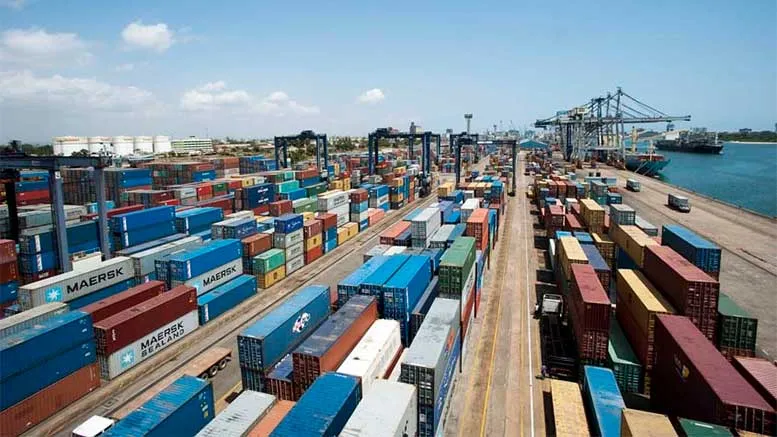
DAR ES SALAAM: THE government has reiterated its commitment to strengthening the blue economy by empowering maritime stakeholders and accelerating the growth of the marine sector.
Deputy Minister for Transport, Mr David Kihenzile, made the statement recently during the Tanzania Shipping Agents’ Association (TASAA) annual general meeting held in Dar es Salaam.
“This progress is achieved when the government and private sector work in partnership. The investments have enabled the Tanzania Ports Authority (TPA) to cut operational costs at the Port of Dar es Salaam by an average of 57 per cent,” he said.
HE added: “TPA’s profit margin has improved from an average of 66 per cent to 78.6 per cent.” He said the partnership with DP World and Tanzania East African Gateway Terminal Ltd (TEAGTL) has increased productivity at the Dar es Salaam port markedly.
Vessel turnaround time at the berth has dropped from ten days to just three days. Ship waiting times, which once averaged 46 days, have been slashed to seven days.
“These are not just numbers, these are livelihoods. These are jobs and opportunities. Every day shaved off vessel turnaround time saves money for importers and exporters, strengthens our regional competitiveness, and reduces demurrage costs that burden our business community,” he added.
ALSO READ: African nations told to prioritise rights
TASAA Chairman, Mr Daniel Mwallongo, said the impressive growth in cargo volumes reflects the success of ongoing reforms and improved operational efficiency at the port. He said that stakeholders remain committed to strengthening Tanzania’s position as a regional trade and logistics hub.
“The government has created a favourable environment for the maritime sector. The growth in cargo volumes at the port of Dar es Salaam reflects not only operational improvements but also the positive impact of government support and strategic investments in port infrastructure,” he noted.
The Dar es Salaam Port recorded historic growth, handling 27.7 million tonnes of cargo in the 2024/25 financial year, a 17 per cent increase from the previous year.
Momentum has continued into 2025/26, with 16.7 million tonnes processed between July and December 2025, marking nearly 30 per cent growth compared to the same period in 2024.