Children’s heart disease demands earlier detection, care
DAR ES SALAAM: A CHILD can be born with a heart that looks healthy from the outside, yet carry a condition that may affect how the organ develops or functions, making early detection an important part of protecting children’s lives.
The World Health Organisation (WHO) says congenital disorders are among the causes of newborn and childhood deaths globally, with congenital heart defects among the most common severe congenital disorders.
The organisation estimates that congenital disorders cause about 240,000 newborn deaths within the first 28 days of life each year, while another 170,000 children aged between one month and five years die from congenital disorders.
The burden is particularly significant in low- and middle-income countries, where WHO says nine out of 10 children born with serious congenital disorders live.
The organisation also says congenital heart defects may result from genetic, infectious, nutritional and environmental factors, although in many cases the exact cause remains unknown.
In Tanzania, the problem is also reflected in health-facility mortality records. The Ministry of Health’s 2024 mortality report shows that congenital heart anomalies accounted for 1.9 per cent of recorded causes of death among children under five, with 295 deaths recorded in the year. The condition accounted for 1.8 per cent in 2023.
For specialists working with children with heart conditions, the figures point to the importance of identifying problems as early as possible, particularly because some congenital heart conditions can be treated through medical care or surgery when detected and referred in time.
JKCI-Dar Group Paediatric Cardiologist, Dr Eva Wakuganda, said about one in every 100 children is born with a heart problem, with several factors potentially increasing the risk during pregnancy.
“Pregnant women need to go for health checks. Those using long-term medicines, including medicines for high blood pressure or mental health conditions, should consult doctors early so they can be advised on the appropriate treatment,” she said.
Dr Wakuganda said excessive use of substances such as cannabis, maternal health problems, some longterm medicines, diabetes during pregnancy and severe fever may be associated with complications affecting the unborn child.
She also urged women to start antenatal care early, saying maternal age and family history may also be associated with congenital heart problems, although some children develop the conditions without a known cause.
Her message comes as Tanzania continues to strengthen maternal and child health services. Ministry of Health data show that the country’s under-five mortality rate declined from 67 deaths per 1,000 live births in 2015/16 to 43 per 1,000 in 2022, while neonatal mortality declined from 25 to 24 deaths per 1,000 live births during the same period.
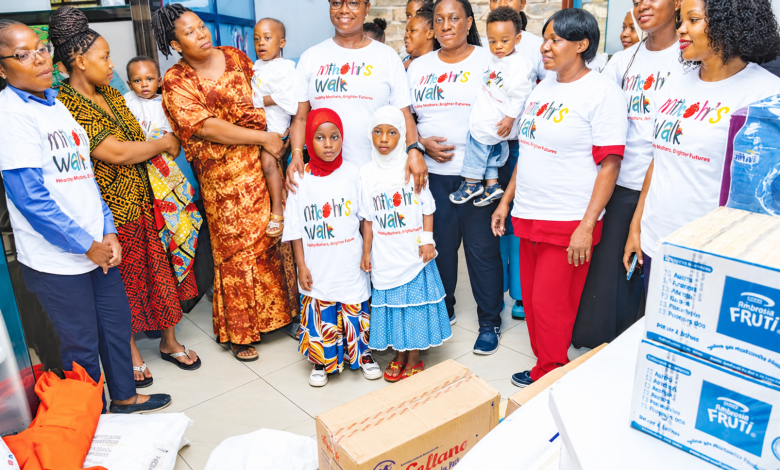
Founder of Mikoh Outreach Foundation, Ms Yasmin Chali, said children with heart conditions from lowincome families often face difficulties accessing treatment because of the costs involved.
She said the foundation visited JKCI-Dar Group to comfort children receiving treatment, provide gifts and remind them that having a heart condition does not mean they cannot recover.
“We came to support and encourage them and tell them that although they have a disease, it can be treated and they can recover completely,” she said.
Ms Chali called on organisations, donors and individuals to support children with heart conditions, saying even small contributions can make a difference to children and their families.
“We do not have to be rich for another person’s life to be important to us,” she said.
Meanwhile, JKCI-Dar Group Specialist Cardiologist and Head of the Medical Department, Dr Samuel Rweyemamu, said many children with congenital heart diseases require specialised treatment, including surgery and continued medical care.
He said the paediatric clinic at JKCI receives between 20 and 40 patients a day, many of whom have congenital heart diseases.
However, he said the number of children reaching the institute may represent only part of the problem because some families cannot afford to travel to Dar es Salaam, while others may lose their children before receiving a diagnosis.
ALSO READ: Kutoa Ni Moyo campaign launched to support children with heart diseases
“Not every child can reach Dar es Salaam. Some children may die before they are diagnosed,” he said.
Dr Rweyemamu called for heart screening to be expanded to facilities where children are born so newborns can be checked early, even when they show no obvious symptoms.
WHO says early detection, referral and management can improve outcomes for children with congenital disorders, while some congenital heart defects can be treated through medical or surgical interventions.
Dr Rweyemamu also urged the public to protect heart health through healthy diets, exercise, safe drinks such as water and regular health checks, particularly blood pressure screening.
Although congenital heart disease is present from birth, the wider cardiovascular disease burden also affects Tanzania. The Ministry of Health’s 2024 mortality data show that among people aged five years and above, hypertensive heart diseases accounted for 7.0 per cent of recorded causes of death, while other cardiovascular diseases accounted for 5.4 per cent.
Mikoh Outreach Foundation Managing Director, Ms Janet Jovin said the organisation supports children whose parents cannot afford the cost of heart surgery.
She said the foundation aims to support more than 100 children this year and has already helped more than 50.
Ms Jovin said the organisation continues to follow up with children after surgery, including their health, nutrition and home environment, to support their recovery.
She said the foundation also provides education to pregnant women on the importance of undergoing tests during pregnancy, which can help identify heart problems before a child is born.
“We continue to call on other stakeholders, donors, organisations and individuals to join us because there are many children who need this support,” she said.
For families facing childhood heart disease, the challenge does not end when a diagnosis is made. Treatment can involve specialised investigations, surgery, follow-up care and additional household expenses, while parents may also lose income when they have to remain with their children during treatment.
The specialists and child-support organisations therefore called for greater awareness, early screening and stronger support systems so that children with heart conditions can be identified and referred for appropriate care before their conditions become severe.
WHO says congenital disorders can have lifelong effects on children and families, but prevention, early detection and access to appropriate treatment can reduce illness and deaths associated with some conditions.