

Chemba council urged to sustain child nutrition gain post-project
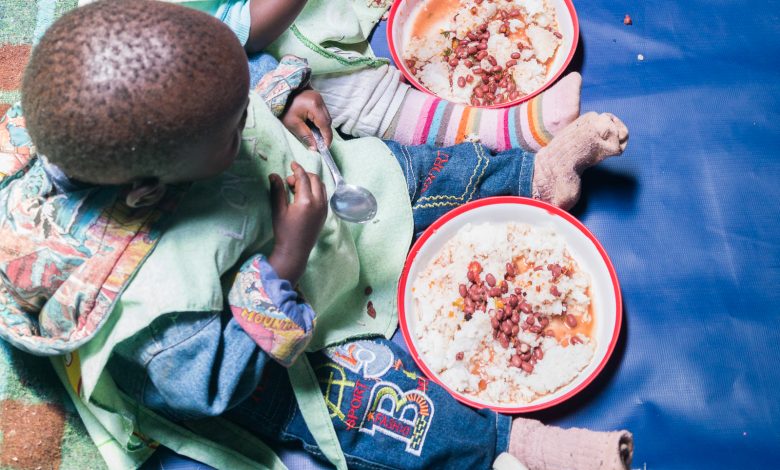
DODOMA: DODOMA Regional Administrative Secretary (RAS), Mr Kaspar Mmuya, has urged Chemba District Council to sustain and strengthen the nutrition systems established under the recently concluded Gender-Sensitive Nutrition Project, implemented by the Centre for Counselling, Nutrition and Health Care (COUNSENUTH).
Speaking at the project’s close-out meeting at the Dodoma Regional Commissioner’s office, Mr Mmuya emphasised that the project’s achievements, especially the reduction in child stunting, are clear evidence of its effectiveness, underscoring the need to sustain these interventions beyond the end of external support.
“Even though the project has officially ended, we will continue with its implementation because we understand its philosophy, activities and results. We have tested and witnessed its success, and we are proud of it. When we say stunting has dropped from 37.7 per cent to 24.4 per cent, it means if the rate goes up again next year, the responsibility will fall on us,” Mr Mmuya said.
The project, which ran from 2018 to 2025 with funding from the Embassy of Ireland, was aimed to reduce stunting among children under five years of age in Chemba District, Dodoma Region.
COUNSENUTH’s Chief Advisor, Dr Lunna Kyungu told the meeting that the project was implemented across in all 26 wards and 114 villages in Chemba, recording notable achievements through multisectoral collaboration, involving the health, education, agriculture, water, environment and community development sectors, alongside strong community participation.
ALSO READ: Radio Programme: How TASAF, UNICEF will improve child nutrition
In his remarks, Chemba District Executive Director, Mr Hassan Mnyika, expressed gratitude to COUNSENUTH for its substantial contribution in reducing stunting and building capacity among local actors.
He assured stakeholders that the council will continue all impactful practices initiated during the project.
“We have gained a lot through this partnership and our teams have been empowered. We are committed to sustaining the progress made,” Mr Mnyika said.
Providing further insight into the project’s key activities, Chemba District Nutrition Officer, Ms Faith Temu, noted that the initiative introduced impactful interventions including the Village Health and Nutrition Day (SALIKI), implemented in all 114 villages, and the Gender Touch Leadership Model, which was rolled out in 70 villages to equip local leaders in identifying and addressing gender-related challenges in their communities.

828808 360233If you are viewing come up with alter in most of the living, starting point typically L . a . Weight reduction cutting down on calories platform are a wide stair as part of your attaining that most agenda. weight loss 388226
OKHENG18 รวมเกมสล็อต คาสิโนสด และเกมออนไลน์ยอดนิยมไว้ในที่เดียว เว็บตรงคุณภาพ บริการตลอด 24 ชั่วโมง พร้อมระบบที่ใช้งานง่าย OKHENG18