BoT pushes digital payments in mining
GEITA: THE Bank of Tanzania (BoT) has urged small-scale miners in Geita Region to embrace digital payment systems to reduce cash transactions and protect themselves against counterfeit banknotes.
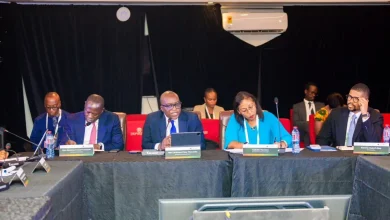
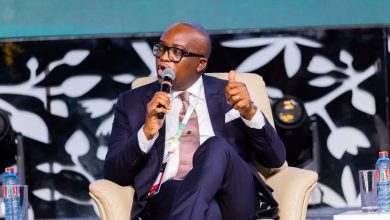
The call was made recently by BoT Public Relations Officer, Mr Sadi Makomba, during a seminar on proper banknote handling and counterfeit detection held at the Geita Mining Exhibition Grounds in Geita Municipal Council.
The training brought together small-scale miners, masters of ceremonies (MCs), musicians and entrepreneurs as part of efforts to raise public awareness on identifying fake currency and safeguarding personal finances.
Mr Makomba said the central bank is committed to educating the public on safe money handling, particularly in areas with high volumes of cash transactions such as mining centres.
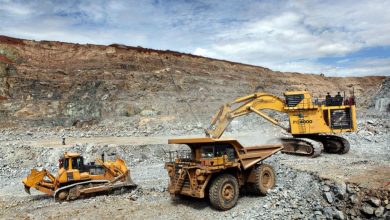
He said Geita requires special attention because its rapidly growing mining economy relies heavily on cash transactions, creating opportunities for counterfeiters.
“Digital payment systems provide a safer alternative to cash transactions while ensuring money remains within the formal financial system,” Mr Makomba said.
He added that wider use of mobile money and banking services would not only reduce the risk of counterfeit notes but also support national economic growth.
“Digital payments also reduce wear and tear on banknotes because many transactions are conducted through mobile phones and banking services, including ATMs,” he said.
Mr Makomba also urged the public to handle banknotes properly, noting that poor storage practices contribute to unnecessary losses since the production of currency requires foreign exchange.
He advised people, particularly women, to avoid keeping banknotes in places where they can easily be damaged, such as inside bras and instead use wallets or handbags.
“Poor handling of banknotes causes significant losses to the country because our currency is produced using foreign exchange. It is therefore important to educate the public on proper handling of money,” he said.
Participants welcomed the initiative, with one of them, master of ceremonies Mr Idd Chundu, proposing the introduction of financial education clubs in primary and secondary schools.
“If children receive this education from primary through secondary school, we will raise a generation that understands how to properly handle and preserve money,” he said.
ALSO READ: BoT insists on digital transactions in mining areas to curb counterfeit banknotes
Small-scale miner Ms Teonestina Christopher said training on counterfeit detection and proper banknote handling is particularly important for miners, given the difficult conditions under which they earn their income.
“Miners work under very challenging conditions. When they finally receive their earnings, they want to use the money to improve their lives after enduring hardships in the mining pits,” she said.
Meanwhile, another participant, Mr Mwema Yusuf, alias MC Mwema, called for the campaign to be extended to fishing communities, noting that fishermen’s working conditions often expose banknotes to damage.
“Fishermen usually keep money in their trouser pockets. When they get wet, the banknotes become soaked and they end up drying them in the sun,” he said.
Mr Yusuf said expanding financial education to different groups would help improve the handling of banknotes and reduce losses caused by damaged currency