BoT keeps key rate at 5.75pc
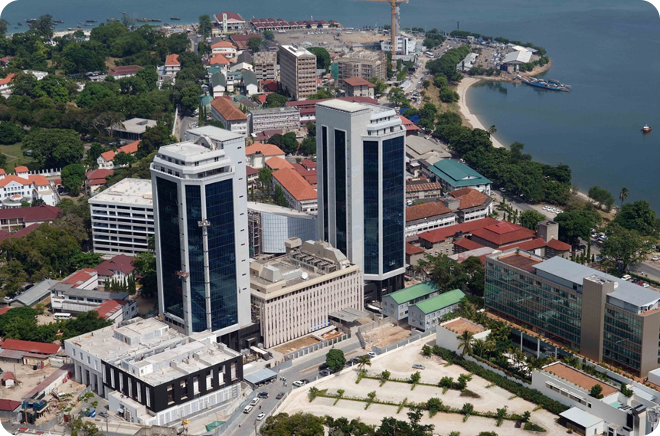
DAR ES SALAAM: THE Bank of Tanzania (BoT) has maintained its central bank rate (CBR) steady at 5.75 per cent for the second quarter this year, marking a fourth consecutive hold, signalling caution amid growing global economic uncertainties.
The decision was reached during the latest meeting of the Monetary Policy Committee (MPC) held on Wednesday where policymakers weighed growing external risks against country’s strong domestic economic performance.
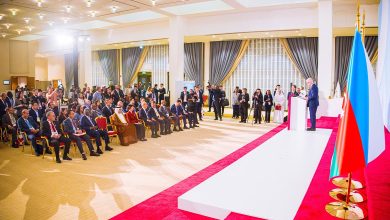
Announcing the outcome, the BoT Deputy Governor, Dr Yamungu Kayandabila, said the move reflects a careful balancing act between sustaining growth and containing inflation.
“It was not an easy decision,” he said, pointing to rising geopolitical tensions in the Middle East that have begun to ripple through global markets.
He stressed that the tensions have already disrupted supply chains and pushed up commodity prices, particularly oil, which has surged past 100 US dollars per barrel well above earlier projections.
The MPC also announced a narrowing of the interest rate corridor around the CBR from 200 to 150 basis points.
This adjustment sets the 7-day interbank rate within a band of 4.25 per cent to 7.25 per cent.
“The objective is to enhance the effectiveness of our monetary policy framework while maintaining price stability and supporting economic growth,” Dr Kayandabila explained.
Despite the challenging global backdrop, the MPC observed steady domestic economy that has continued to show resilience.
The economy during the first quarter grew by 6.2 per cent in mainland Tanzania and 6.7 per cent in Zanzibar, driven by strong performance in construction, agriculture, tourism and financial services.
The outlook for the second quarter remains similarly positive, with growth projected at 6.1 per cent for the mainland and 6.6 per cent for Zanzibar, although the MPC cautioned that prolonged instability in the Middle East could dampen momentum.
Inflation, meanwhile, has remained within the central bank’s target range of three to five per cent.
It averaged 3.3 per cent in mainland Tanzania and 4.5 per cent in Zanzibar, supported by stable food prices and a relatively steady exchange rate.
However, the central bank warned that rising energy and transport costs could exert upward pressure in the coming months.
The committee also observed that the country’s banking sector continues to provide a strong foundation for the economy.
Non-performing loans have declined to 2.9 per cent, well below the regulatory threshold, while banks remain adequately capitalised and liquid.
On the external front, the country’s position has also improved as the current account deficit narrowed to 2.2 per cent of GDP, supported by increased exports of gold, agricultural produce and tourism services.
Zanzibar, in particular, recorded a surplus on the back of strong tourism inflows.
Foreign exchange reserves stood at over 6.2 billion US dollars, enough to cover nearly five months of imports comfortably above regional benchmarks.
Additionally, Fiscal performance has also been encouraging, with tax revenues exceeding targets due to improved administration and compliance, while government spending remained within available resources.
Even so, policymakers were clear that risks remain.
“The main threat to the outlook is the ongoing conflict in the Middle East. Any escalation could intensify inflationary pressures and slow global and domestic growth,” he stressed.