

Behind strong women lies silent exhaustion
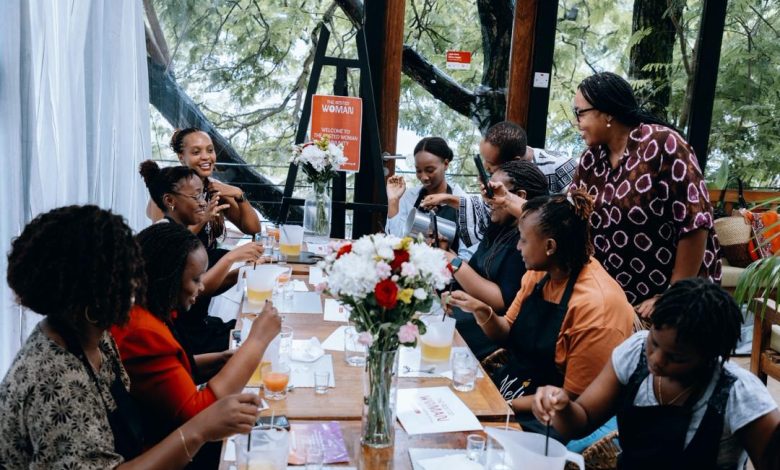
DAR ES SALAAM: THE phrase “women are resilient” is widely repeated and often accepted without deeper reflection. It is spoken as praise, encouragement, and admiration. Yet behind this commonly used expression lies a more complex reality that is often overlooked. While women are indeed strong and resilient, this strength frequently comes at a quiet and invisible cost.
More often than not, behind every resilient woman is someone who is deeply tired but continues to function, persist and show up for others. This exhaustion is rarely visible, yet it is carried daily by many women across different walks of life.
Women play a central and indispensable role in society. They hold families together, sustain households, contribute to economies, lead institutions, and support communities in countless visible and invisible ways. They are often expected to multitask effortlessly, balancing professional responsibilities, caregiving roles, emotional labour, and personal aspirations simultaneously.
However, the reality of carrying so many responsibilities without adequate rest or support has created a growing concern: emotional exhaustion, burnout, and disconnection. In many cases, rest is not viewed as a necessity for wellbeing but as something to be earned after productivity is achieved. This mindset has left many women functioning in survival mode rather than truly thriving.
It is within this context that initiatives such as The Rested Woman Community have emerged. The movement is dedicated to helping women understand the importance of intentional living, emotional wellbeing, and meaningful rest.
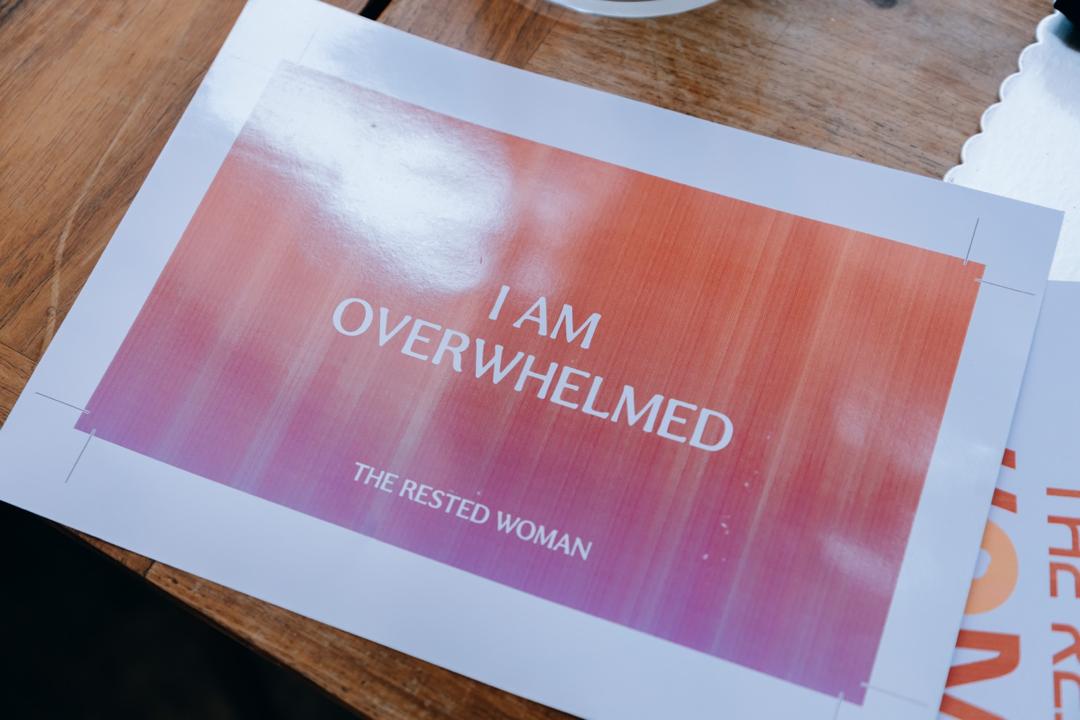
Ms Anabahati Mlay, the convener of The Rested Woman Community, explained that the initiative was created after observing the silent struggles many women face while trying to balance multiple demands of life.
She said the community brings women together through guided conversations, reflective spaces, wellness experiences and authentic storytelling. These sessions are designed to remind women that their value is not only measured by productivity or output, but also by their wellbeing and inner peace.
According to her, the sessions are carefully designed with intention, allowing participants to reconnect with themselves, rediscover creativity, and rediscover joy. Many women, she noted, have forgotten the importance of personal happiness in the pursuit of responsibilities and expectations.
In earlier societal structures, a woman’s role was largely confined to the home. Her responsibilities included childcare, household management and supporting her family. Although these roles were demanding and continuous, they were often invisible and undervalued, not because they lacked importance, but because society did not traditionally recognize them as formal work.
Women were expected to find fulfilment solely through fulfilling these responsibilities, regardless of their emotional or physical exhaustion. Over time, this created a culture where sacrifice and endurance were normalised as defining characteristics of womanhood.
As societal structures evolved, women began entering formal workplaces, driven by advocacy, determination and the demand for equality. However, these new spaces were not initially designed to accommodate their unique needs. Instead of replacing old expectations, new responsibilities were added onto existing ones.
Women entered boardrooms, courtrooms, operating theatres, classrooms and leadership positions, but were still expected to manage household responsibilities and caregiving roles. This created a dual burden that significantly increased pressure and reduced time for rest and recovery.
Ms Mlay explained that in the process of adapting to these environments, many women felt the need to overperform in order to prove their worth. As a result, personal wellbeing, rest and selfcare were often deprioritised.
She shared her personal experience, noting that even as a working mother, she once struggled to differentiate between productivity and exhaustion. Rest began to feel like a form of irresponsibility, and constant busyness became a measure of success.
Like many women, she developed habits of postponing rest, believing that it could always come after completing tasks. However, she observed that work and responsibilities are never-ending, making it difficult to ever find the “right time” to rest.
Across workplaces, social circles and online platforms, she noted a shared pattern of exhaustion among women. Many operate on minimal rest, relying on short breaks, late nights and emotional endurance to keep going.
ALSO READ: WDF awareness campaign targets more women
She described how women often say “I am fine” even when they are overwhelmed, tired or struggling. This phrase becomes a socially accepted response, even when it does not reflect reality. Expressions such as “I am tired,” “I don’t have time,” or “I can’t keep doing this” are often quickly followed by continued effort without meaningful rest.
Over time, exhaustion becomes normalised and even mistaken for dedication or professionalism. Many women begin to associate burnout with achievement, believing that suffering is part of success.
The Rested Woman Community was therefore created as a response to this reality. It promotes the idea that rest is not a reward but a necessity. According to Ms Mlay, a woman can only effectively care for others, perform well at work, and contribute meaningfully to society if she is also taking care of herself.
She emphasised that a woman who constantly gives without replenishing herself is not truly thriving but merely surviving. The difference, she said, is significant and must be acknowledged.
Within the community, rest is redefined not as withdrawal from responsibility but as a deliberate and empowering act of self-preservation. It is a decision to recognise one’s own worth and prioritise mental, emotional and physical wellbeing.
Activities within the community include creative and therapeutic sessions such as crocheting workshops. Many participants rediscover skills they once enjoyed in childhood, realising that these simple activities bring unexpected calm and joy


That line about strength coming at a quiet, invisible cost really hit home—it’s something so many of us feel but rarely say out loud. I stumbled across stealabrainrot the other day and it put words to that same kind of hidden exhaustion.
It’s powerful to see spaces like The Rested Woman Community highlighting how emotional labor and constant resilience can quietly drain women. So many are pushed to keep going without rest, treated as a backdrop rather than a priority—kind of like how some stories get overlooked until they’re finally seen, much like the deep cuts you might find on a site such as the homepage.
Interesting perspective on product presentation. I highly recommend visiting https://shotmora.com because it turns a single product photo into a complete Amazon listing image set, including main images, lifestyle shots, infographics, comparison visuals, and A+ content that sellers can review before export.