Building safer homes for women, children
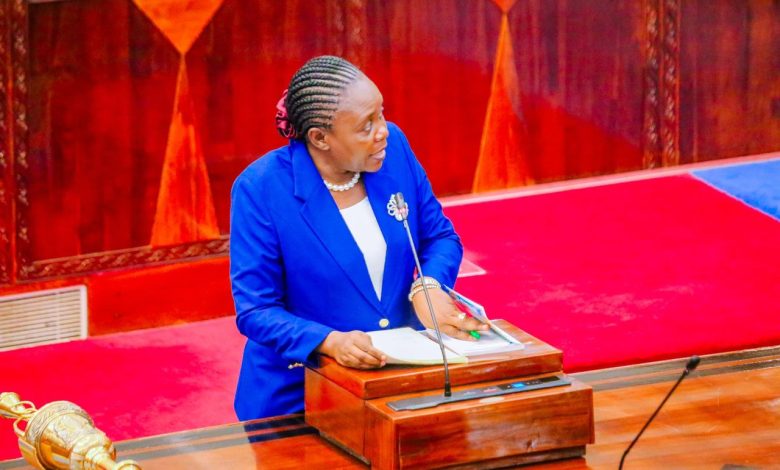
DODOMA: BEHIND the figures and funding proposals contained in the 2026/27 budget estimates presented by Minister for Community Development, Gender, Women and Special Groups Dr Dorothy Gwajima lies an urgent issue, protecting women and children from violence.
While progress has been made, the latest figures show why the fight remains far from over. While the ministry’s budget outlines programmes aimed at strengthening social welfare, gender equality and family wellbeing, it also paints a sobering picture of the challenges that continue to affect thousands of families.
The government’s commitment to addressing the problem is reflected in the continued implementation of the National Plan of Action to End Violence Against Women and Children (NPAVAWC II 2024/25–2028/29), one of the ministry’s key interventions aimed at strengthening prevention, protection and support services for survivors.
Yet the numbers show there is still much work to be done. According to figures presented by Dr Gwajima in Parliament, between July 2025 and April 2026, a total of 108,819 survivors and victims of Gender-Based Violence (GBV) and Violence Against Children (VAC) were reported at various health facilities providing support services.
The figure included 32,150 children and 76,669 adults. During the same period, 1,313 survivors, including 1,260 women, received support through 20 safe houses operating in different regions across the country.
These facilities provide temporary shelter, medical care, legal assistance and psychosocial support to those affected by violence. The minister said the government continues to work with development partners to ensure survivors receive the assistance they need while strengthening systems aimed at preventing abuse before it occurs. The budget speech revealed that by April 2026, a total of 3,146 cases involving VAC had been brought before the courts.
Of those, 2,517 had been concluded while 629 cases were still pending. Dr Gwajima warned that the challenge goes beyond statistics. “It is an undeniable truth that a nation aspiring to achieve the goals of Vision 2050 cannot be built on an environment that allows children to live in fear, abuse and without adequate protection,” she told the august House.
ALSO READ: Women turning small businesses into big opportunities
The minister said that child protection is not only a social responsibility but also a development issue. A country that fails to safeguard its children risks undermining its future workforce, leadership and economic progress. She therefore called for a collective response involving parents, guardians, religious leaders, traditional leaders, teachers, law enforcement agencies and communities.
“The fight against violence against children is not the responsibility of the government alone, but of the entire nation,” Dr Gwajima said.
Her message reflects a growing recognition that laws and institutions alone cannot eliminate violence. Lasting change begins within families and communities where values are shaped and behaviours are learned.
To strengthen community-based protection systems, the ministry has developed implementation guidelines for NPAVAWC II and training materials for Women’s and Children’s Protection Committees at various levels. The goal is to improve coordination and ensure victims receive timely support.
The government is also investing in human resources. During the 2025/26 financial year, 401 social welfare officers were recruited, bringing the total to 2,315 nationwide. Their role includes providing counselling, supporting vulnerable families and linking survivors with essential services.
Beyond responding to incidents, the ministry is focusing on prevention through positive parenting programmes, child protection initiatives and awareness campaigns against harmful practices, including female genital mutilation and online violence. As the country moves towards Vision 2050, Dr Gwajima believes every citizen has a role to play.
“We must unite as a society to ensure children are raised in safe environments with morality, love and respect for human dignity,” she said.
The message behind the budget is therefore clear. Ending violence against women and children is not only about protecting victims. It is about building stronger families, safer communities and a future in which every child and every woman can live free from fear.