Before saying ‘I do’, ask yourself these questions
DAR ES SALAAM: MARRIAGE is often described as one of life’s most beautiful journeys, built on love, trust and companionship. Yet behind many wedding celebrations and smiling photographs are couples quietly struggling with conflicts they never prepared for.
For some, the excitement of finding a partner becomes stronger than the need to truly understand the person they are preparing to spend a lifetime with.
Experts now warn that many marriages break down not because love was absent at the beginning, but because important conversations and preparations were ignored long before the wedding day.
Statistics released by the Registration, Insolvency and Trusteeship Agency (RITA) in June 2024 paint a worrying picture. Registered divorce cases increased from 447 in 2022 to 711 in 2023, reflecting the growing strain facing many families and relationships.
Relationship counsellors, religious leaders and psychologists say the figures should encourage young people to rethink how they approach marriage. One of the first things people should consider before marriage, experts say, is shared values and beliefs. According to Islamic scholar Athuman Othman from Tanga Region, faith, morals and personal character play a major role in building a stable family.
“Strong values create stability in marriage. Patience, honesty and respect are easier to build when couples share principles that guide their lives,” he says.
He adds that differences in beliefs and values, if ignored early, can later affect family relationships, child upbringing and even interactions between relatives.
Beyond shared values, experts insist that truly knowing the person you intend to marry is essential. Bishop Mathias Anthony from Mwanakondoo Church in Dar es Salaam says many couples rush into marriage while still knowing very little If parents are not careful, children can easily fall into harmful situations,” she said.
Another parent, Joseph Athuman, said families are increasingly facing social pressures that require parents to become more involved in the lives of their children. He said that many parents often realize too late that children have been struggling emotionally, exposed to abuse or influenced by destructive peer groups.
This year’s International Day of Families was commemorated globally under the theme: “Families, Inequality and Child Wellbeing.” The theme highlights how economic hardship, unequal opportunities and social pressures continue to affect children’s development and the overall wellbeing of families. But beyond global themes and official speeches, the conversations in Kitangiri reflected a reality many Tanzanian families already understand, children thrive where love, guidance and communication exist.
Experts say even in difficult economic times, small efforts such as eating together, listening without judgment and spending time with children can help strengthen family relationships and protect children from harmful influences.
As modern life becomes busier and distractions continue to grow, many fear that family bonds are weakening quietly behind closed doors.
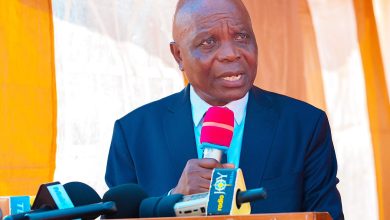
Yet community leaders insist the solution may begin with something simple, parents making time to listen again. ILEMELA Community Development Officer, Mr Yusuph Okoko speaks during the event to commemorate International Day of Families. (Photo Courtesy of Ilemela Municipal Council) When parents stop listening, children seek guidance elsewhere about each other’s background, behaviour and personality.
“Some people fall in love with appearances and emotions but forget to understand the character of the person they are choosing,” he says.
He explains that understanding a partner should include learning about their upbringing, family environment, cultural beliefs and how they respond to challenges.
“Failing to know your partner properly can create repeated conflicts in marriage, especially when differences in culture, behaviour and expectations begin to appear,” he adds.
Psychologist Tatu Mbuguni also advises people to take enough time before marriage to understand their partner’s priorities, emotional behaviour and long-term goals.
“Marriage is not only about love. It is also about emotional compatibility, communication and shared direction in life,” she says.
She said that many people spend months preparing weddings while spending very little time preparing for marriage itself. Another issue experts repeatedly emphasize is financial preparedness. Money remains one of the leading causes of conflict in marriage, especially where couples enter relationships with different priorities, spending habits or expectations about lifestyle.
Mr Othman says financial misunderstandings can slowly damage peace and trust between couples if important discussions are avoided before marriage.
“Couples need to speak honestly about money, responsibilities and future plans before marriage. Silence on financial matters often creates tension later,” he says.
ALSO READ: When parents stop listening, children seek guidance elsewhere
However, psychologist Chris Mauki believes financial stability alone cannot guarantee a successful marriage. “Many people have been hurt because of financial challenges in relationships, but a marriage can still succeed even without great wealth,” he explains. According to Mauki, emotional maturity, communication and commitment often determine the strength of a marriage more than money itself.
Experts also caution young people against confusing attraction with genuine love. Bishop Anthony explains that lasting love is not built only on physical appearance or temporary emotions, but on accepting a person fully, including weaknesses and imperfections.
“Real love means accepting someone’s weaknesses and choosing to stand with them even during difficult moments,” he says.
According to him, strong marriages are built through patience, care, protection and emotional support rather than outward appearances alone. Education compatibility is another factor many couples overlook. While love may bring two people together, major differences in education levels can sometimes affect communication, decision-making and shared understanding about life goals.
“When couples struggle to understand each other’s perspectives, small disagreements can easily become bigger conflicts,” Bishop Anthony says.
Mental and physical health are also increasingly becoming part of modern marriage conversations.
Psychologists say emotional wellbeing, stress management and personal stability strongly influence how couples handle pressure, conflict and responsibilities within marriage. In today’s fast-changing world, experts say marriage requires more than romance and celebrations.
It demands patience, honesty, emotional readiness and a clear understanding of the life two people are preparing to build together. Because long before wedding vows are exchanged, the strongest foundation is often built quietly through honest conversations, shared values and the willingness to truly know one another.