Banana processing innovation eyes beverage market
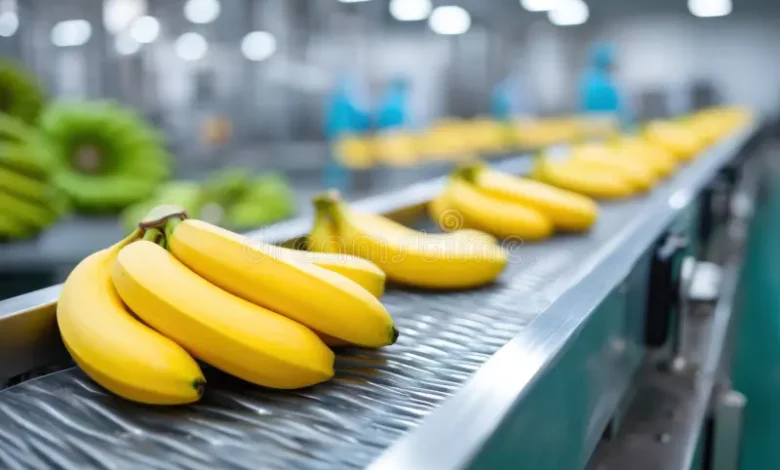
DAR ES SALAAM: TANZANIA has an opportunity to reduce reliance on imported fruit juices, increase farmers’ incomes and create thousands of jobs by commercialising innovative technology that transforms cooking bananas into a market-ready juice product.
University of Dar es Salaam (UDSM) Professor Oscar Kibazoli told ‘Daily News’ that they developed a mechanised system for producing juice from ripe bananas, offering a potential breakthrough for Tanzania’s agricultural value chain.
“If adopted commercially, the technology could increase the value of banana production, boost incomes for farmers and create employment throughout the agricultural value chain,” Prof Kibazoli said.
The innovation builds on traditional banana processing practices common in Kagera and Kigoma regions, as well as neighbouring countries including Uganda, Rwanda, Burundi and the Democratic Republic of Congo, where ripe bananas have historically been processed into a traditional alcoholic beverage known as Rubisi.
Prof Kibazoli explained that concerns over hygiene and quality control in traditional production methods encouraged further research after his postgraduate studies, eventually leading to the development of a mechanised processing system capable of improving safety, consistency and commercial viability.
The technology presents new opportunities for farmers by creating additional markets for banana production beyond fresh consumption. Through value addition, farmers can earn higher returns while reducing losses associated with surplus and post-harvest deterioration.
ALSO READ: Engaruka Soda Ash project must deliver prosperity without sacrificing people’s rights
He clarified that the bananabased product differs from togwa, a light traditional beverage with high natural sugar content that is diluted to about 13 per cent before consumption. The banana juice is produced from sap-rich ripe bananas, giving it a distinctive brown colour and unique flavour.
However, commercialisation remains the main challenge. Prof Kibazoli identified limited investment, low public awareness and the absence of large-scale production facilities as major barriers preventing the product from reaching wider domestic and international markets.
Scaling up production will require collaboration among engineers, food-processing experts, investors and marketing professionals to develop efficient supply chains, improve packaging and position the product competitively.
A 2018 report by the Food and Agriculture Organisation (FAO) highlighted value addition as a key strategy for reducing post-harvest losses and increasing smallholder farmers’ incomes.