AI ultrasound boosts maternal healthcare service delivery
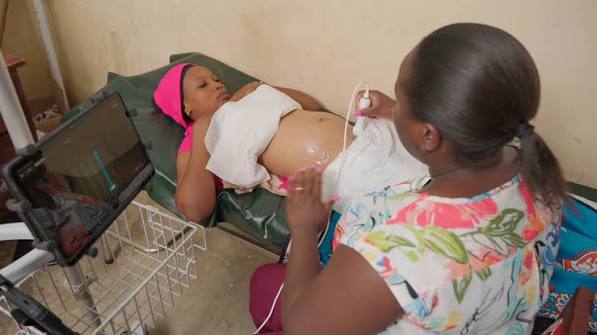
DODOMA: ARTIFICIAL Intelligence (AI)- powered ultrasound devices are set to improve maternal and child healthcare services in Dodoma Region by expanding access to pregnancy examinations at primary healthcare facilities.
The devices will be distributed to 32 primary healthcare facilities under the Study of AIassisted Ultrasound Feasibility and Assessment of Resources and Integration (SAFARI) Project, implemented by the University of Dodoma (UDOM), after they were handed over at Mkonze Health Centre on Tuesday.
Speaking during the handover, Dodoma Regional Commissioner, Ms Rosemary Senyamule said the technology would help address the shortage of skilled ultrasound specialists by enabling trained healthcare providers who are not ultrasound specialists to conduct basic examinations accurately.
“The technology has the potential to help address the shortage of ultrasound specialists by enabling healthcare providers who are not ultrasound specialists to conduct basic examinations with a high degree of accuracy,” Ms Senyamule said.
She said the project is designed to assess how AI technology can be effectively integrated into routine maternal and child healthcare services at the primary healthcare level, where most people access health services.
Ms Senyamule noted that the shortage of ultrasound specialists remains a challenge both nationally and globally, particularly in developing countries, making innovative approaches essential to improving access to quality care.
ALSO READ: MOI to perform brain cancer removal surgery for the first time
She said the SAFARI Project extends beyond the provision of equipment, as healthcare workers will receive training, quality assurance support, supervision and continuous assessment to ensure the technology is used effectively.
“The project is not only about providing equipment but also about building the capacity of healthcare providers to deliver better services to mothers and children,” she said.
Dodoma District Commissioner, Mr Jabir Shekimweri said Mkonze Health Centre was selected as a model facility, noting that early screening and timely detection of pregnancy-related complications are critical in improving treatment outcomes and reducing maternal and child deaths.
Meanwhile, President’s Office–Regional Administration and Local Government (PO-RALG) representative, Dr James Kiengia said implementing the project at primary healthcare facilities was strategic because more than 83 per cent of Tanzanians seek treatment at that level.
“Strengthening services at primary healthcare facilities means improving access to quality healthcare for the majority of Tanzanians,” Dr Kiengia said.
The 18-month SAFARI Project is being implemented from January 2026 to June 2027 across all eight councils of Dodoma Region, which serves as the pilot area.
The initiative is being implemented by UDOM in collaboration with the Liverpool School of Tropical Medicine (LSTM), with funding from the Gates Foundation and policy oversight from the Ministry of Health.
Baseline assessments have already been completed in all 32 participating primary healthcare facilities and their respective referral hospitals to support the project’s implementation.