Act now to keep El Niño from turning into disaster
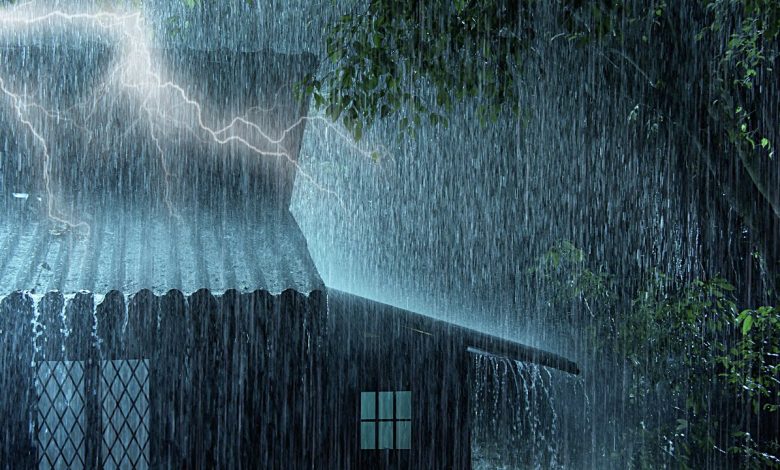
DAR ES SALAAM: PRIME Minister Dr Mwigulu Nchemba’s directive to fast-track the completion of critical infrastructure projects ahead of the anticipated El Niño rains is timely and should be treated as a matter of national urgency.
Heavy rainfall is not merely a natural phenomenon; when authorities fail to prepare adequately, it can quickly become a serious threat to lives, property, transport and economic activity.
The warning from Prime Minister that unfinished projects could worsen flooding risks deserves immediate attention.
His observations over the weekend in Mpanda Municipality, where several roads remain excavated and incomplete, demonstrate the dangers of poorly coordinated construction during the rainy season.
Open trenches, unfinished roads and inadequate drainage can turn ordinary rainfall into a major public safety problem.
Authorities, therefore, must move beyond issuing instructions and ensure that practical measures are implemented without delay.
Tanzania National Roads Agency (TANROADS), Tanzania Rural and Urban Roads Agency (TARURA) and regional authorities should work closely with contractors to identify projects that pose the greatest risks and complete them before heavy rains arrive.
Where full completion is impossible, temporary measures should be put in place to protect residents and maintain access.
Drainage systems and bridges deserve particular priority. Experience from previous rainy seasons shows that inadequate drainage is one of the major causes of urban flooding.
Clearing existing drains, expanding vulnerable drainage channels and ensuring that newly constructed roads have effective water-flow systems could significantly reduce damage.
ALSO READ: Residents told to relocate as El Niño looms
The Prime Minister’s insistence that contractors who have already received funds should stop giving excuses is also justified.
Public infrastructure projects are funded by taxpayers and are intended to serve citizens. Delays not only waste valuable time and resources but can expose communities to avoidable risks. Preparation should, however, extend beyond roads.
The directive concerning the delayed Mpanda water project is important because reliable water services are essential during emergencies.
Likewise, efforts by Rural Energy Agency (REA) and Tanzania Electric Supply Company Limited (TANESCO) to connect residents in newly upgraded areas will help strengthen community resilience.
Most importantly, El Niño preparedness should not be treated as the responsibility of the central government alone.
Regional and local authorities, contractors, utility companies, communities and religious institutions all have roles to play.
The lesson is straightforward: Nature may determine when and how much it rains, but effective planning determines how much damage the rain causes.
Authorities must therefore act with urgency, enforce accountability and complete essential projects before the rains arrive. Tanzania must not wait for flooding to expose weaknesses that can be prevented today.