A ‘makeshift structure’ to help people cross a flooded river on foot, may not be a pedestrian crossing!
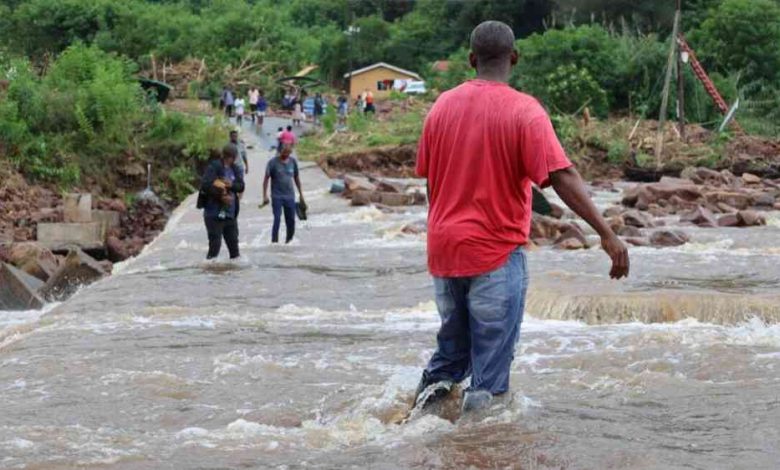
DAR ES SALAAM: PARTS of the country have recently suffered from heavy rains. This is reported in the Custodian (12 March), in a frontpage story titled: “Many homeless, roads disrupted, as flash floods paralyse regions”.
Property damage has been extensive, but a District Commissioner in one of the badly affected areas, AM, is reported to have confirmed: “having BEEN no fatalities, praising rescue teams for their swift response” What does: “having been no fatalities” mean?
Two ideas come to mind: The DC did not witness any fatalities herself; or, she had not heard, from other people, of there being any fatalities. We can re-write the sentence thus: “The DC confirmed having SEEN no fatalities”; or, “The DC confirmed that she had not heard of there being any fatalities”.
In Tarime, the DC, Major EG, was astonished as to how the men acted, in the face of floods, after the Mara River burst its banks, noting that: “in many instances, men managed to save themselves FIRST, leaving vulnerable women and children behind to be rescued by emergency teams” [Trust Muras!] Given that the Muras did not do anything after rescuing themselves, the adverb “FIRST” should not be there: “…… in many instances, men managed to save themselves, leaving vulnerable women and children behind, to be rescued by emergency teams”.
Road officials were reported to be on-site conducting assessments; it being reported further that: “While temporary measures like PEDESTRIAN CROSSINGS are in place, a comprehensive update on the restoration of permanent infrastructure is expected soon”.
A pedestrian crossing (or, zebra crossing) is a designated, marked, or signalised area designed for pedestrians to cross ROADS safely. Yes! To cross roads safely, not to cross roaring overflooded rivers! The writer should have gone for FOOTBRIDGES, instead of Pedestrian Crossings.
Here is a re-write: “While temporary measures like FOOTBRIDGES are in place, a comprehensive update on the restoration of permanent infrastructure is expected soon”. It is not all doom and groom, though.
ALSO READ: Z’bar First Lady calls for support to vulnerable groups
A story in the same Custodian, appearing on page 5 and titled: “Initiative targeting girls’ absenteeism in rural schools launched in Singida”, conveys good tidings. It is about assisting girls manage their menstrual periods. The reaction of the beneficiary girls, was that of joy.
One is quoted as saying: “the assistance will allow girls to attend all their LESSONS”. Another one said more or less on the same lines: “These sanitary pads will help us attend all our CLASSES without missing them”. So, do the words LESSON and CLASS mean one and the same thing? Not quite!
A class is the overall course or group of students, whereas a lesson is a particular segment of teaching. Classes are broader and often long-term, while lessons are focused on a single learning objective, skill, or topic.
Many lessons could be taught within one class. In the light of the above explanations, I would settle for Class, not, Lessons. By attending all the classes, the girls will get all the lessons taught. On page 6, the Custodian has a story about the youth and loans from local government authorities. It is titled: “Youth warned against default on government loans”.
What is happening? We get it from the writer: “Youth benefitting from government loans under various programmes have been warned against disappearing or switching off their phones after receiving the funds, instead of repaying them”.
According to the Mwanza RC, SM: “Nyamagana District alone is owed about 3bn/= in UNPAID youth loans”.
No. It is not “unpaid” loans. These young men took the money as loans from the government. They are supposed to do business with it and pay it back, that is, REPAY, the money. Therefore: “Nyamagana District alone is owed about 3bn/= in UNREPAID youth loans”! May you be blessed in these last days of Ramadan, this year. lusuggakironde@gmail.com