A decade of stewardship: Rioba leadership at TBC
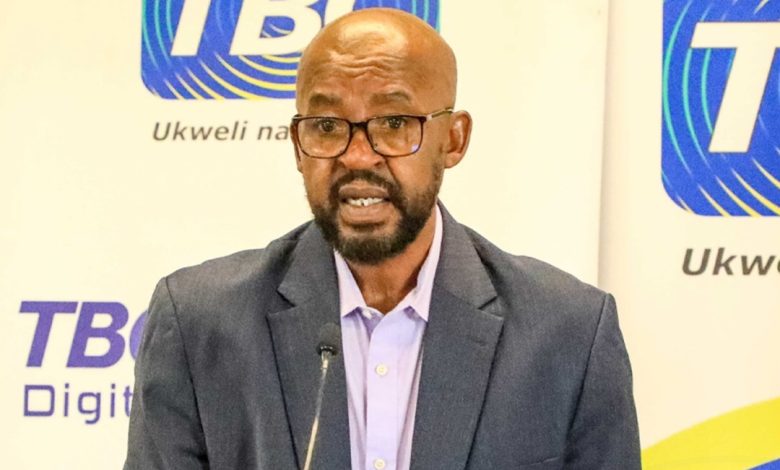
DAR ES SALAAM: WHILE perusing social media today, I was fortunate to come across a post that prompted me to collect my thoughts and share a few words about Dr Ayub Rioba.
While I was still reflecting on the image of him waving goodbye to TBC, the broadcasting organisation, I was deeply moved by the content he posted on his Facebook page.
He started by specifying the date of his appointment, his brief journey to TBC and the challenges he faced until he resigned in accordance with the law.
He then bade farewell and expressed his sincere gratitude for the trust those who appointed him had placed in him, especially the late Dr John Pombe Magufuli and Dr Samia Suluhu Hassan.
Those who have had the opportunity to review Dr Rioba’s Facebook page and contemplate the journey he undertook to establish TBC and secure its international status, as well as the contributions of those who have congratulated him on the completion of his leadership period, have a wealth of insights to gain.
This is especially true for trusted leaders who are responsible for guiding others, particularly in the news industry, which is obliged to deliver truthful and accurate information on major national security and welfare issues to the entire population.
The end but also the beginning of a transformative decade in Tanzania’s public broadcasting landscape is marked by the retirement of Dr Rioba from his position as Director General of the Tanzania Broadcasting Corporation (TBC).
Dr Rioba’s tenure as Chief Executive Officer, which spanned a decade, was in my view characterised by a period of accelerated technological advancements, changing audience expectations and increased competition from private media houses and digital platforms.
To those who might have known, his leadership was widely recognised as a pivotal moment in the institutional strengthening and modernisation of Tanzania’s national broadcaster.
His experience as a scholar and journalist, in my view, provides valuable lessons for leadership in public institutions undergoing complex reforms in a dynamic communication environment, in addition to the specific achievements recorded under his stewardship.
I am of the opinion that those who comprehend the dynamics of the sector would concur that TBC encountered numerous structural obstacles when Dr Rioba assumed leadership. In the era of social media and streaming services, public broadcasters worldwide have faced a range of challenges, including audience fragmentation, declining advertising revenues and growing pressure to remain relevant.
In Tanzania, these challenges were further exacerbated by the perception that state media lagged behind private competitors in technological progress and content innovation.
Dr Rioba’s leadership enabled TBC to implement strategic reforms, including overseeing the approval of the TBC law by parliament and regulations, in accordance with the strategic direction of the Board of Directors, aimed at positioning the organisation as a modern, competitive and nationally recognised media institution.
The incremental expansion of digital broadcasting capabilities and the enhancement of transmission infrastructure nationwide are frequently cited by industry observers as examples.
Under his leadership, TBC broadened its audience across both urban and rural areas by improving signal coverage and embracing digital platforms, particularly Bongo FM, which has become popular among young people in Tanzania.
This not only enhanced public access to information but also reinforced TBC’s role as a truly national platform that unites the nation during major national events.
One of the things that Tanzanians can be proud of is the significant role that TBC played in uniting the nation during the national tragedy of the loss of incumbent president John Pombe Magufuli while in office. TBC was able to bring Tanzanians together.
The importance of this unique contribution as a national media outlet can only be understood by those aware of the events and the notable efforts made by TBC under Dr Rioba.
ALSO READ: TBC Arc to broadcast election results in new digital system
The emphasis on professional journalism standards and credibility was a fundamental aspect of Dr Rioba’s leadership. Public broadcasters are subject to distinctive constraints, including the necessity to balance the demands of the public, government mandates and editorial independence.
During his tenure, initiatives were introduced to improve journalists’ training, professionalise newsroom operations and expand the range of development-focused topics, including infrastructure, agriculture, health, environment, education and important teamwork.
For example, TBC increased the production of documentaries and feature programmes that emphasise national development initiatives, bringing in professionals and sector specialists to debate and discuss matters of public interest that are rarely seen at private media outlets.
This content raised public awareness and trust in policy initiatives and fostered a sense of national involvement in economic transformation.
Under Dr Rioba, trust among viewers was rebuilt as they increasingly demanded high-quality programming and fair reporting. Bolstering editorial credibility became a vital institutional goal in a media landscape where misinformation can spread rapidly through online channels.
Ensuring financial sustainability was another significant leadership challenge. Government subventions, advertising revenue and strategic partnerships are frequently employed by public broadcasters.
Operational stability may be compromised by fluctuations in any of these sources. During Dr Rioba’s tenure, initiatives aimed not only to diversify revenue streams by enhancing commercial programming, boosting marketing strategies and establishing partnerships with private sector sponsors, but also to introduce innovative ways of generating new sources of income to keep TBC competitive and grow in line with technological advancements vital for the sector.
For instance, the implementation of sports broadcasting packages and entertainment programmes served to attract advertising interest, thereby generating revenue that could be allocated to technical enhancements and content production.
These initiatives, including the identification of new sources of funding, demonstrated a vital leadership lesson: public institutions must stay aligned with their public service mandate while adopting entrepreneurial strategies. Leadership is not only about strategic decisions; it also encompasses the development of organisational culture.
TBC made substantial investments in staff training, capacity building and performance management systems throughout the decade with the aim of boosting morale and efficiency. In high-pressure environments with evolving technological requirements and strict deadlines, media professionals frequently operate.
Dr Rioba contributed to the workforce’s readiness for digital transformation and future industry demands by emphasising professional development.
One example is establishing partnerships with journalism training institutions to enhance skills in digital content production and multimedia reporting. The institutional resilience was fortified by these initiatives, which ensured that human capital evolved in tandem with technological change.
TBC, Tanzania’s national broadcaster, is obligated to represent the country’s diverse cultures, dialects and regional perspectives.
During Dr Rioba’s tenure, the programming was expanded to incorporate content from various regions of the country, thereby fostering national cohesion and cultural inclusion.
Citizens were able to participate in governance processes by broadcasting events such as national celebrations, parliamentary deliberations and public forums.
In this manner, TBC functioned as both an information provider and a platform for democratic participation. Public institutions can be fortified by leadership that prioritises inclusivity, as it reinforces their legitimacy among citizens.
One of the most challenging aspects of overseeing a public broadcaster is the balance between professional integrity and political expectations. State media executives are required to negotiate public scrutiny and evolving policy priorities.
In this regard, I am pleased to state that Dr Rioba demonstrated diplomatic leadership by cultivating constructive relationships with government stakeholders while upholding the corporation’s professional mission.
Institutional continuity requires this delicate balance. Public organisations risk losing audience trust and credibility if they are seen as overly politicised.
Over the past decade, the media industry has experienced significant technological disruption. The behaviour of audiences has been significantly transformed by the proliferation of mobile internet, social media platforms and on-demand streaming services and what Dr Rioba used to call citizen journalism.
TBC, during his tenure, initiated the integration of digital content distribution channels, such as online broadcasting and social media engagement, under the leadership of Dr Rioba.
This strategic shift allowed the corporation to connect with younger audiences, who increasingly consume news and entertainment through smartphones rather than traditional television sets, laying a foundation for future growth and competitiveness through digital transformation.
The transformation of TBC under Dr Rioba’s stewardship is indicative of broader changes in Tanzania’s media sector. Both public and private broadcasters must perpetually innovate as competition intensifies and audiences become more discerning.
His tenure illustrates that public media can remain relevant if leadership prioritises stakeholder engagement and strategic reform.
Additionally, robust public broadcasters foster informed citizenship, cultural preservation and social cohesion, thereby contributing to national development. In a nutshell, the Tanzania Broadcasting Corporation has come to the end of a significant era with the compulsory retirement of Dr Rioba.
Over ten years, his leadership helped reposition the institution within a swiftly changing media environment, strengthening its operational capacity, credibility and national reach.
Although obstacles persist, such as maintaining financial independence and adapting to digital disruption, the foundations established during his tenure offer valuable insights for future leaders.
Dr Rioba’s decade at TBC offers a compelling example of how visionary leadership can shape institutional paths and foster national progress. All the best and in Kiswahili we say “Karibu Uraiani”. We will miss you, but your foundation will speak on your behalf.