Tanzania must protect girls online as firmly as it protects them in schools and communities
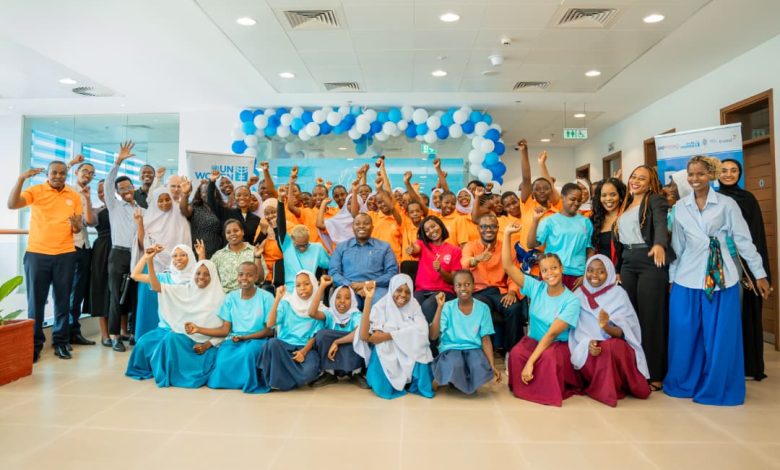
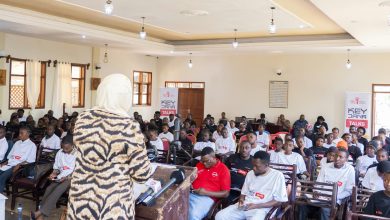
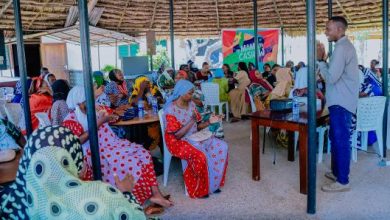
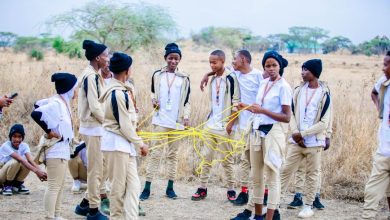
DAR ES SALAAM: Digital technology is opening new paths for girls and young women to learn, communicate, create businesses and access employment. Yet these opportunities can be undermined when online spaces expose them to harassment, threats, scams and other forms of abuse. That was the message of Binti CyberSafe 2026 in Dar es Salaam, recently.
Speakers from UN Women Tanzania, SheWorks in Tech and the Belgian Agency for International Cooperation, known as Enabel, stressed that digital inclusion must go hand in hand with skills, prevention and reliable support for those who experience harm.
UN Women Tanzania representative Godlizan Bakari said digital technology was transforming how people learn, communicate, obtain information and pursue opportunities, but the risks were expanding alongside these benefits. Research cited by UN Women estimates that between 16 and 58 per cent of women have experienced some form of technology-facilitated violence. However, comparable global data remains limited, making it difficult to establish the full scale of the problem.
Technology-facilitated violence can include cyberstalking, online harassment, threats, impersonation and the sharing of intimate images without consent. Artificial intelligence has also created new ways to abuse people, including manipulated images and deepfakes that falsely depict someone in compromising situations. Such attacks can damage a person’s reputation, threaten privacy and undermine confidence, while leaving victims uncertain about where to seek help.
The consequences do not remain confined to a screen. Online abuse can cause psychological distress, financial and reputational harm and, in some circumstances, contribute to physical violence. It can also silence women and girls, discouraging them from expressing opinions, participating in public debate or pursuing digital opportunities. Bakari argued that digital safety should therefore be understood not merely as a technical concern, but as an issue of gender equality, human rights and women’s empowerment.
Responding effectively requires action at several levels. Governments must strengthen laws and accountability, technology companies must address abusive conduct on their platforms, and institutions and communities must promote responsible behaviour. Survivors also need safe ways to report abuse and obtain confidential, survivor-centred assistance. They may need guidance on preserving digital evidence without exposing themselves to further danger, identifying appropriate reporting channels and accessing support.
Bakari said UN Women works to prevent technology-facilitated violence, strengthen responses and improve access to services. This includes supporting providers such as police gender and children’s desks, social welfare services and other relevant agencies to recognise and respond to gender-based violence. Better coordination can help prevent survivors from being passed between disconnected systems while they try to obtain protection and assistance.
Crucially, the responsibility for preventing abuse must not be placed on girls and women alone. They should be equipped to recognise risks and protect their accounts, but the wider environment must also become safer and more accountable. Bakari encouraged participants to apply what they learned, speak up against online abuse and share practical knowledge with others. Girls and young women, she said, have the right to explore technology, express ideas and pursue their ambitions without fear.
The event also demonstrated how digital skills can spread beyond the individuals who first receive training. SheWorks in Tech founder Annagrace Malamsha traced the organisation’s origins to September 2023, when she attended a ten-day bootcamp under the African Girls Can Code Initiative, organised by UN Women. At the time, she was an intern pharmacist with a strong interest in technology and was looking for a way to enter the sector.
The training gave Malamsha skills that enabled her to take on work in graphic design, social media management and brand management for companies and organisations, including the Tanzania AI Community. Alongside other beneficiaries, she later became a trainer, helping deliver sessions for girls and women in Dar es Salaam, Singida, Kigoma, Unguja and Pemba. The experience showed how investment in one participant can extend to many others when learners are supported to share their knowledge.
Malamsha subsequently brought together eight fellow African Girls Can Code Initiative beneficiaries who wanted to expand access to technology learning. Their organisation, SheWorks in Tech, was officially registered in 2025 under the Ministry of Community Development, Gender, Women and Special Groups. In less than a year after registration, the organisation had reached, trained and empowered more than 300 girls and women across Tanzania, with support from partners including the Embassy of Belgium, Enabel and UN Women.
Malamsha said a Binti Tech Day held on April 23, 2026, for Girls in ICT Day explored digital skills, artificial intelligence and the opportunities technology can create. Binti CyberSafe built on that discussion by focusing on how users can protect themselves and others while using digital tools. Access, she emphasised, is not enough if girls cannot participate with confidence.
Enabel representative Latifa Kapilige likewise stressed that safe spaces must exist wherever girls and young women live, study, work and connect online. Enabel, the Belgian Agency for International Cooperation, implements Belgium’s government-funded development cooperation programmes in Tanzania and other countries.
Kapilige said digital inclusion involves more than providing access to devices or the internet. Girls need relevant skills, equal opportunities and environments in which they can develop their abilities without intimidation. Practical learning in securing accounts, identifying scams, responding to cyber incidents, reporting abuse and verifying information can help participants make safer decisions. These skills are particularly important as digital services become more closely connected to education, employment and entrepreneurship.
Enabel’s wider work includes the Wezesha Binti programme, which supports girls and young women, particularly in Kigoma, through education, vocational skills, entrepreneurship and preparation for decent employment. Its development activities also include training and livelihood support in agriculture and beekeeping, water and sanitation initiatives, green businesses and entrepreneurship, and efforts to improve access to justice for women, girls and marginalised groups.
Kapilige encouraged girls to support one another and to ask for help when they experience online harm, emphasising that seeking assistance is a sign of strength. She also called on families, schools, communities, public institutions and technology companies to help prevent abuse and ensure that appropriate support is available. Safeguarding teachers and other trusted adults have an important role in listening to young people, responding seriously to disclosures and guiding them towards suitable services.
By and large, a single awareness day cannot eliminate online violence. Its value depends on whether the knowledge gained is carried into homes, classrooms, workplaces and digital communities. Schools can reinforce safe online practices; families can create space for children to report concerns without fear of blame; service providers can make reporting clearer and more coordinated; and technology companies can improve responses to harmful behaviour.
Binti CyberSafe 2026 offered a practical reminder that girls should not have to choose between digital participation and personal safety. Building a fairer digital future requires investment in skills, effective responses to abuse and shared responsibility across society. When girls can learn, create, communicate and seek opportunities without intimidation, technology is more likely to deliver on its promise of inclusion and empowerment.