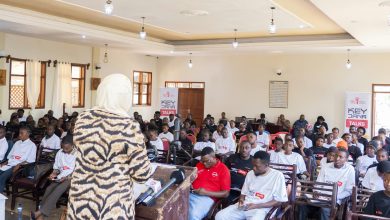
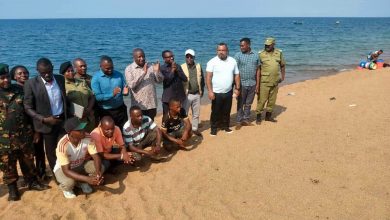
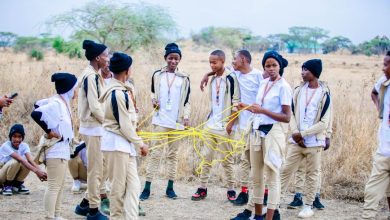
Women must move from peacebuilding margins to decision-making centres
MTWARA: We must admit it peace does not begin and end with the absence of war. It is equally measured by what happens inside households, how communities resolve disagreements, whether women can participate in decisions affecting their lives and whether vulnerable groups can live without fear of violence. In Mtwara Region, women are seeking greater recognition of their contribution to these everyday dimensions of peace as Tanzania moves to implement its Women, Peace and Security agenda.
The discussions come as Tanzania marks the 26th anniversary of United Nations Security Council Resolution 1325 (UNSCR 1325), adopted in 2000 to recognise women’s contributions to conflict prevention, peacebuilding and security while strengthening their participation in decision-making.
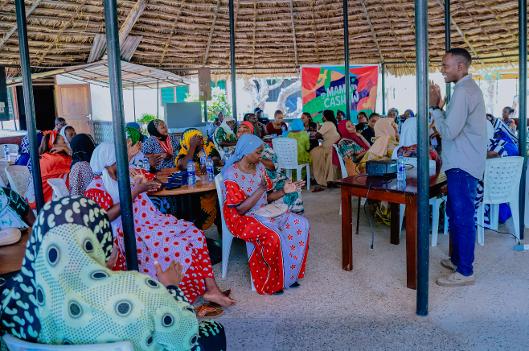
Through community dialogues organised by UN Women in partnership with the Global Peace Foundation (GPF), 103 participants, comprising 76 women and 27 men, gathered in Mtwara to examine challenges affecting women’s participation in peace and security processes and identify practical solutions.
Participants included women cashew farmers, members of Community Gender-Based Violence (GBV) Committees from Shangani Ward and local government officials. The engagement also provided an opportunity to disseminate information about Tanzania’s National Action Plan on Women, Peace and Security (TNAP-WPS) 2025–2029, which seeks to translate international commitments into practical interventions at national and community levels.
For women in rural communities, meaningful participation goes beyond attending meetings. It means having the opportunity to influence decisions, access economic resources, exercise leadership and contribute to resolving conflicts affecting their families and neighbourhoods.
Discussions in Mtwara identified several obstacles, including restrictive gender norms, household conflicts, economic hardship, seasonal livelihood constraints, unequal responsibility for unpaid care work and psychosocial stress. These challenges can limit women’s mobility, undermine their independence and prevent them from participating effectively in community affairs.
UN Women Tanzania Policy Analyst and Coordinator Adolfine Emmanuel said the National Action Plan provides an opportunity to recognise, coordinate and document women’s contributions to peacebuilding, which have often remained informal and insufficiently acknowledged.
She explained that women have long participated in resolving disputes, protecting social harmony and strengthening community relationships, but their efforts have not always been captured through formal reporting systems.
The plan, she said, is expected to improve coordination and ensure women’s contributions become more visible and recognised at regional, national and international levels.
Emmanuel identified Mtwara as an important area for implementing the agenda because of its geographical position, cross-border interactions and potential conflicts arising from economic activities and competition over limited natural resources. Climate-related pressures can further intensify tensions when communities lack adequate conflict-resolution mechanisms.
She emphasised that women are important partners in addressing these challenges because of their involvement in community affairs and their contribution to maintaining social cohesion.
This recognition was echoed by Global Peace Foundation Tanzania Country Director Nduvuketi Msengu, who said the organisation and UN Women had taken the initiative to Mtwara to bring the National Action Plan closer to grassroots stakeholders.
Msengu said the priority was to ensure that government institutions, civil society organisations and community members understood the plan and recognised their respective responsibilities in implementing it.
He stressed that women should not simply benefit from peaceful communities but should also recognise their position as active contributors to peace, protection and security.
The engagement involved women participating in agriculture and cashew processing, alongside committees responsible for addressing gender-based violence at ward level. Such structures are important because they connect national policy commitments with the everyday experiences of communities.
A particularly encouraging development was the representation of women in Shangani Ward’s peace and security committees, where they account for more than 75 per cent of membership. However, representation must translate into genuine influence over decisions and practical action.
Protection from violence remains another essential condition for meaningful participation. Women cannot effectively contribute to peacebuilding when they experience abuse, discrimination, abandonment or economic insecurity within their households.
Mtwara Mikindani Municipal Council Social Welfare Officer Saumu Omari said abandonment following separation between couples remains a significant challenge, particularly when men fail to meet their responsibilities towards children.
She explained that the Social Welfare Office intervenes by summoning the parties involved, listening to their concerns and seeking amicable solutions that safeguard children’s welfare.
The interventions prioritise essential needs, including food, school supplies and other necessities, ensuring that children are not disadvantaged by disagreements between their parents.
Omar observed that gender-based violence also has psychological consequences, affecting communication, understanding and relationships within families and communities.
She said resolving conflicts requires identifying their underlying causes, bringing the parties together and encouraging constructive discussions aimed at restoring understanding and harmony.
Omar welcomed the National Action Plan, saying the knowledge gained through the engagement would strengthen her professional responsibilities in promoting peaceful households and preventing violence.
She also emphasised the importance of bringing together different stakeholders, including police officers, teachers, transport representatives, students, community development officers, social welfare personnel and local government officials.
Such collaboration, she argued, strengthens the capacity of community actors to develop practical responses to violence and improve protection mechanisms.
Beyond awareness creation, the Mtwara dialogues identified economic empowerment as an important component of sustainable peace. Participants called for improved access to economic opportunities, psychosocial support services and greater involvement of men in advancing women’s leadership.
The local government also informed participants about financing opportunities available to women and young people through the 10 per cent loan facility and Machinga Loans.
These initiatives are particularly relevant because economic insecurity can increase household tensions and restrict women’s ability to make independent decisions. Access to productive resources and income-generating opportunities can therefore strengthen household stability while improving women’s participation in community affairs.
Participants further recommended establishing community-based mediation and reconciliation mechanisms involving trusted local leaders. They called for confidential and reliable reporting systems, stronger accountability for perpetrators and official identification cards for Community GBV Committee members to facilitate their responsibilities.
The committees also committed themselves to strengthening prevention, reporting and response mechanisms, including holding monthly meetings to address emerging concerns relating to violence, peace and security.
Another recommendation was to extend Women, Peace and Security awareness initiatives to boda boda operators, recognising their potential to act as positive agents for peace within their communities.
These proposals demonstrate that implementing the National Action Plan requires more than public awareness campaigns. It demands functioning community structures, reliable reporting channels, accessible support services and accountability for those responsible for violence.
As Tanzania advances its 2025–2029 National Action Plan, the challenge will be ensuring that commitments translate into measurable improvements in women’s safety, leadership and influence.
The responsibility cannot rest with women alone. Government institutions, community leaders, men, civil society organisations and development partners must work together to address harmful social norms, strengthen protection and expand economic opportunities.
As Msengu observed, women constitute a significant proportion of society and their full participation offers substantial benefits to national peace and security.
By and large, the success of UNSCR 1325 will not be measured simply by the number of meetings conducted or policies adopted. It will be reflected in whether women can live free from violence, participate meaningfully in decisions and exercise leadership in preventing conflicts.
Mtwara’s experience demonstrates that sustainable peace must begin within households and extend to community structures, where women’s voices are heard, respected and translated into action.