THRDC reports 1,605 deaths linked to relationship conflicts

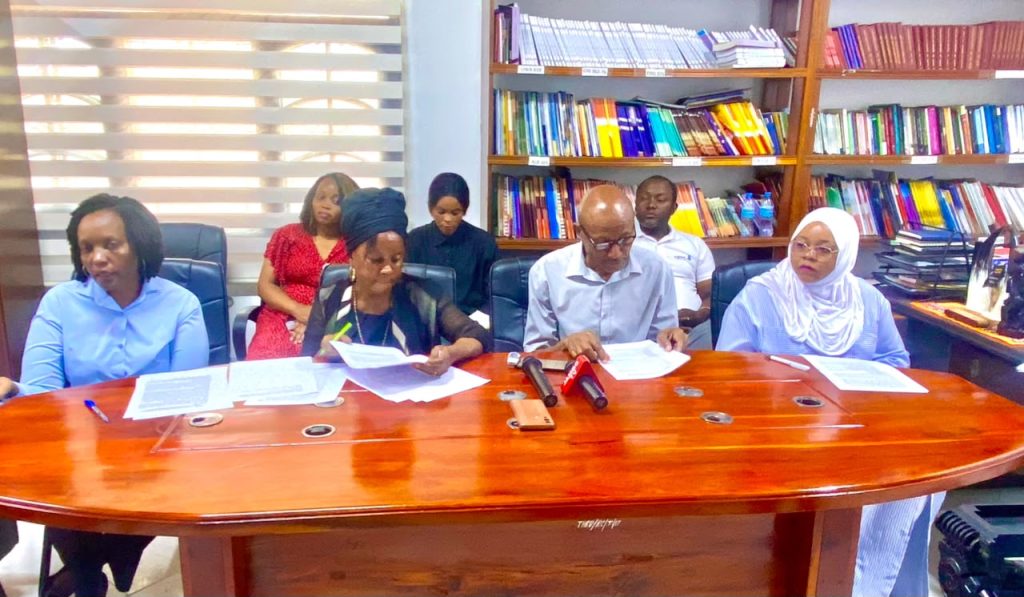
DAR ES SALAAM: Member organisations of the Tanzania Human Rights Defenders Coalition (THRDC) have reported that 1,605 people were killed in Tanzania as a result of relationship-related conflicts between 2024 and June 2026, with women and children among those most affected.
According to a statement issued by the coalition’s member organisations on October 22, 2026, police statistics show that 941 murder cases were reported nationwide between January and June 2026, compared with 926 cases during the same period in 2025.
The statement indicates that 458 of the 941 murder cases reported in the first half of 2026 were linked to relationship-related conflicts.
In 2024, a total of 2,193 murder cases were reported, of which 422 were associated with such conflicts. In 2025, the country recorded 1,977 murder cases, including 725 linked to relationship-related disputes.
THRDC said the killings are driven by various factors, including romantic jealousy, marital and family disputes, allegations of infidelity, financial disagreements and challenges related to child-rearing.
ALSO READ: How to avoid frustrations in relationships
The statement also cited several incidents reported between July and October 2026, including the killings of Leah Mazengo in Bahi, Dodoma Region, and Margeth Hamis Richard in Musoma, Mara Region. Other incidents involving women and children in different parts of the country were also highlighted.
The coalition noted that children have increasingly become direct victims of relationship-related conflicts, including being assaulted and killed. Among the incidents cited was the killing of two children, an eight-year-old girl and a 10-year-old boy, by their father in Morogoro Region before he died by suicide.
According to THRDC, the increase in such incidents is also linked to weaknesses in violence-prevention systems, limited public education on healthy relationships, mental health challenges, and a shortage of social welfare officers and counselling services.
The statement further noted that some killings occur after prolonged warning signs of violence, including death threats, repeated physical assaults, controlling behaviour by partners and psychological abuse.
In response, THRDC has called on the government to strengthen systems for receiving and following up reports of threats, increase the number of social welfare officers and establish effective mechanisms to protect people at risk of violence.
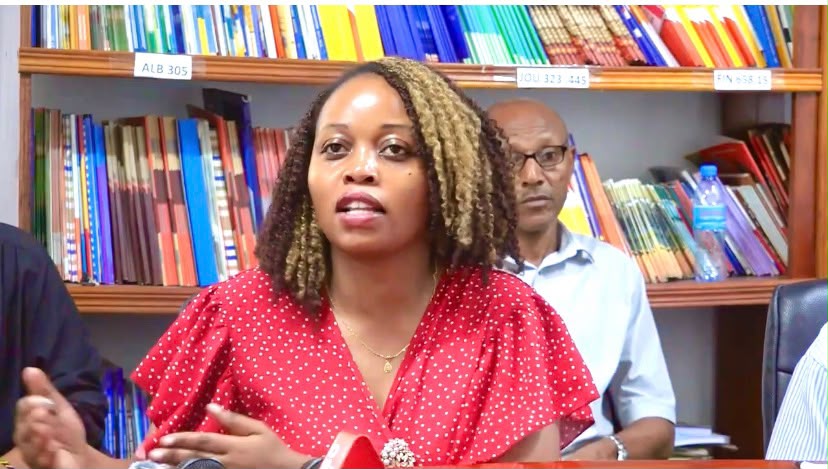
The coalition has also urged Parliament to enact specific legislation to prevent gender-based and domestic violence. It called on educational institutions, religious leaders, the media and the wider community to strengthen public awareness of peaceful conflict resolution.
As part of efforts to combat these killings, THRDC and other human rights organisations have announced plans to launch a sustained campaign under the slogan “Love Is Not War; DO NOT KILL.” The campaign aims to encourage the public to reject violence and respect every person’s right to life and to make decisions about their relationships.
The coalition stressed that no romantic or relationship-related reason can justify murder. It urged people whose relationships have broken down to seek peaceful solutions or separate without resorting to violence.