The little things that shape a child’s future
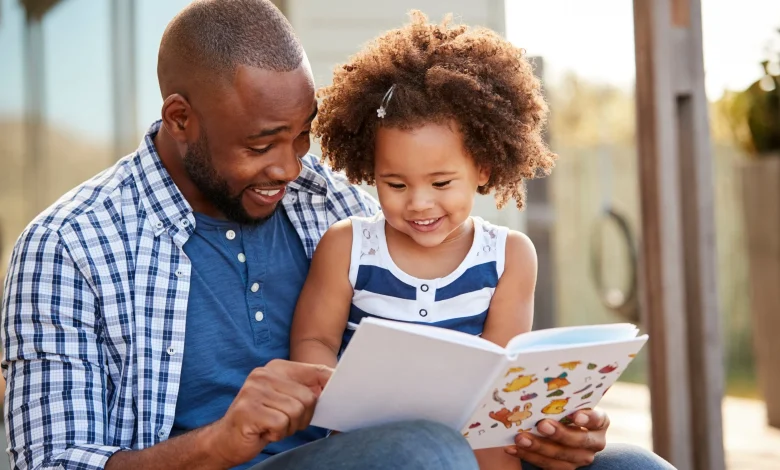
DAR ES SALAAM: EVERY parent wants to raise a child who is respectful, responsible and capable of making good decisions. However, raising a well-rounded child takes more than providing food, clothing and education. It requires love, patience, guidance and the example parents set every day.
Parenting is a continuous process that begins during pregnancy and continues as a child grows towards independence. The care and guidance children receive can influence their emotional, social and intellectual development, helping them build healthy relationships and develop values that guide them throughout life.
Positive parenting involves more than correcting mistakes. It requires listening to children, understanding their needs, setting appropriate boundaries and guiding them towards better choices. A supportive home environment gives children a foundation from which to learn, grow and develop confidence.
Every child is different, and parents need to recognise these differences. Children have unique personalities, interests, strengths and needs. While an energetic child may need patient, consistent guidance, a quieter child may require encouragement to express feelings and build confidence. Understanding these differences helps parents provide support that suits each child’s stage of development.
Discipline is equally important, but it should teach rather than frighten or hurt. When a child makes a mistake, parents can explain what went wrong, discuss its consequences and help the child understand how to behave differently next time. Clear expectations and consistent, ageappropriate consequences can teach responsibility while preserving the child’s sense of security.
The familiar Swahili saying, “Mtoto umleavyo ndivyo akuavyo,” reminds parents of the influence their upbringing can have on a child. Children learn not only from what adults tell them but also from what they observe. A parent who demonstrates honesty, respect and responsibility gives a child a practical example to follow.
Everyday activities can become valuable lessons. Giving children age-appropriate household responsibilities teaches cooperation, while listening to their concerns shows them that their feelings matter. Positive relationships with relatives, teachers and neighbours can also help children develop respect, communication skills and a sense of belonging. Participation in sports and other constructive group activities can further encourage teamwork and discipline.
As children grow, they need opportunities to make decisions appropriate to their age. Parents can guide them by discussing friendships, education, peer pressure and the consequences of their choices. Older children can gradually learn to manage pocket money, organise their time and take responsibility for their actions.
When children make mistakes, parents should use these moments as opportunities for learning rather than relying solely on punishment. Calm conversations can help children reflect on their behaviour and consider better ways to respond in the future.
Ultimately, parenting is not about raising perfect children. It is about providing consistent guidance, affection and boundaries while allowing children to learn from experience. Parents should also remember that children develop differently and that their behaviour is shaped by many influences, including family, school and the wider community.
The goal is not simply to raise obedient children, but to nurture responsible young people who can make thoughtful decisions, respect others and treat people with kindness. These qualities are built gradually through everyday interactions, beginning at home.