The Uhuru Torch must keep its unifying flame
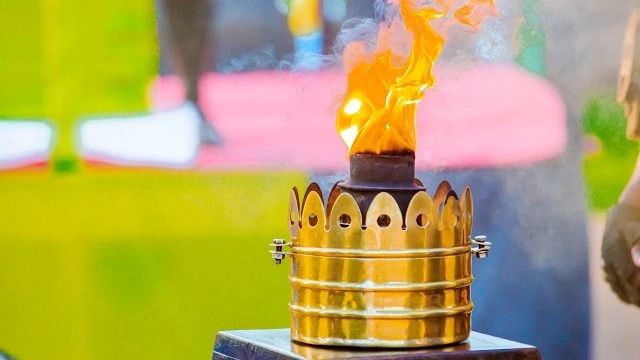
TANZANIA: THE Uhuru Torch is one of the most revered national symbols of Tanzania. It is much more than just a historical artifact as it represents freedom, enlightenment, unity, hope and peace.
Its history is deeply intertwined with the struggles for independence and nation-building under the founding father, Mwalimu Julius Kambarage Nyerere.
The idea of the Uhuru Torch originated with Julius Nyerere before Tanganyika gained independence.
Addressing the territory’s Legislative Council in October 1959, he envisioned a flame atop Mount Kilimanjaro whose light would reach beyond Tanganyika’s borders, spreading hope, love and respect where despair, hostility and hatred prevailed.
Beyond symbolising Tanganyika’s liberation from British colonial rule, Nyerere’s vision was to make the torch a beacon of hope for other African nations still struggling to free themselves from colonial domination.
The torch has embodied the ideal that Tanzanians could rise above ethnic, religious and political differences to identify first and foremost as one people.
Its annual journey across the country has kept alive the aspirations of unity, self-reliance and collective responsibility.
Today, that flame remains as relevant as ever. While Tanzanians have largely built a national identity that transcends ethnic differences, political divisions are increasingly emerging, with disturbing symptoms of hostility beginning to rear their ugly head, threatening to weaken the bonds that unite us.
The danger is that national interests may take a back seat to party allegiance and partisan interests.
ALSO READ: Tanzania cherishes Uhuru Torch for advancing national unity, development projects
Political competition is a legitimate part of democracy, but differences must not degenerate into enmity, nor should political loyalty overshadow our shared identity and common destiny as Tanzanians.
Political divisions create fertile ground for patronage and corruption. When party loyalty outweighs integrity, public appointments, contracts and resources risk becoming rewards for allegiance rather than instruments of public service.
Those exposing wrongdoing may face hostility instead of support. Worse, partisan loyalty can shield misconduct, making accountability selective and corruption harder to confront.
Public resources suffer, merit is undermined and trust in institutions erodes. Like a lice infestation, these practices spread when tolerated and become harder to eradicate when vigilance gives way to complicity.
The Uhuru Torch’s message must extend beyond ceremonies and speeches. It calls for leaders to uphold integrity, institutions to enforce accountability and citizens to reject favouritism.
The Uhuru Torch flame should remind us of what we can achieve together and what division puts at risk. We must reclaim the principle that we are Tanzanians first, party supporters second.
Otherwise, the torch may continue travelling across the country while the national spirit it was meant to illuminate slowly fades.