Janeth: Turning sisterhood into economic power
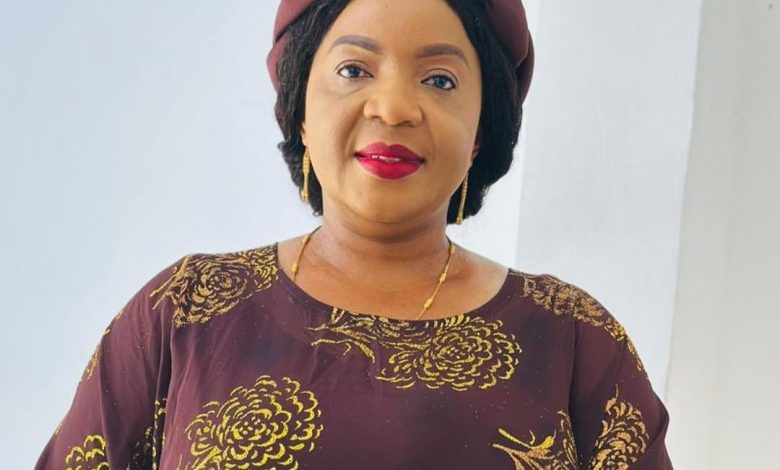
DAR ES SALAAM: FRIENDSHIP, in Janeth Mahawanga’s view, can be more than a bond built around shared memories, celebrations and difficult moments. It can become a powerful foundation for women to save, invest, build businesses and create opportunities for one another.
She believes economic empowerment begins when women recognise the strength they already possess their skills, ideas, networks and willingness to work together.
“Empowerment is not about giving someone money and leaving them there. It is about giving them the knowledge, skills and confidence to use an opportunity productively so that they can continue moving forward on their own,” Ms Mahawanga says.
That philosophy runs through her engagement with women’s groups whose members are turning friendships, neighbourhood ties, professional connections and shared backgrounds into platforms for economic advancement.
A Special-Seat Member of Parliament representing Dar es Salaam Region, Ms Mahawanga has used her community engagement to promote this approach, working with women who are seeking to turn collective strength into sustainable economic opportunities.
One example is Kilombero Sisters, a group of women who grew up and studied together before life took them in different directions and eventually brought many of them to Dar es Salaam.
Rather than allowing their childhood friendship to remain a social bond, the women turned it into an economic partnership, investing in sugarcane farming and other development activities in Kilombero.
The group marks 10 years of unity this year and is now looking towards a larger project. For Ms Mahawanga, living in the city should not mean women lose sight of opportunities in their home areas.
“Living in the city should not stop us from taking advantage of opportunities in our regions. We can invest where we come from while building our lives in the city,” she says.
The experience of Kilombero Sisters reflects a wider message she shares with women, relationships built over many years can become economic assets when women decide to work together.
A similar journey is unfolding among Luilo Mama’s, a group of 31 women from Luilo village in Ludewa District, Njombe Region, who grew up together before settling in Dar es Salaam.
The women initially worked together on a poultry project involving broiler chickens and layers. Their experience gave them confidence to think beyond individual activities.
Today, members have their own businesses and farms, while the group is working towards establishing a grain-processing factory in their home village.
Ms Mahawanga encourages women with shared backgrounds to look beyond social activities and use their existing networks to build economic opportunities.
“Those of us who come from the same region or studied in the same schools should not limit our relationships to celebrations and moments of sadness. We should also look at how we can use our relationships and unity to lift one another economically,” she says.
Neighbourhood relationships have also provided a foundation for Women Arise Group, formed by women living in Makongo Juu, Dar es Salaam.
What began as an association built around good neighbourliness has developed into a platform for collective investment.
The group, which has been together for 10 years, now pursues projects aimed at increasing members’ incomes and creating employment among themselves.
Ms Mahawanga says the experience demonstrates the potential that exists when women organise around a common economic purpose.
“Seeing women come together, create projects and generate employment among themselves gives me great joy. It shows that the ability to change our economic situation is within us,” she says.
The approach extends into Village Community Banks (VICOBA), where she promotes saving, affordable credit, financial discipline and entrepreneurship.
At Family Sustainable Development (FATA) VICOBA, members of 10 groups have access to affordable loans, while members also have health insurance.
Ms Mahawanga says more than three-quarters of members have established their own businesses after accessing the loans.
She describes FATA VICOBA as a school of financial discipline and accountability, with members encouraged to use borrowed money productively.
“The affordable loans are at the heart of empowering members economically. But access to credit must go together with discipline and responsibility so that the money helps a member become stronger rather than creating another burden,” she says.
Her emphasis on financial knowledge goes beyond borrowing. At Diamond Divaz, a women’s financial group she chairs, members have been encouraged to broaden their understanding of financial management, business, bonds and investment.
The group has also explored real estate as another avenue for building long-term assets. “Diamond Divaz is more than a VICOBA. It is important for every member to understand financial matters, business, bonds and investment so that we can strengthen ourselves economically and make every year better than the previous one,” Ms Mahawanga says.
The focus represents a shift from simply asking how women can access money to considering how they can protect, invest and grow it. Her message is straightforward: a loan is a starting point, not the destination.
“Getting a loan is only the beginning. If the money is not planned for, properly managed and invested in an activity that generates income, the loan can become a burden instead of an opportunity,” she says.
Her engagement with women also extends into professional sectors. Dadaz Clearing and Forwarding Group brings together women involved in customs clearing and forwarding, with many members owning their own companies and creating employment.
The group also operates a SACCO through which members support one another economically.
For Ms Mahawanga, women’s economic empowerment should not be confined to small-scale activities.
“We want to see more women owning companies, creating employment and participating in sectors where they can contribute significantly to the economy. Women have the ability to do much more when they have knowledge, organisation and confidence,” she says.
She has similarly engaged with Kigamboni Wanawake SACCOS (KIWASA), encouraging members to strengthen their savings, establish productive projects and take advantage of available financing opportunities.
She also provides training on economic opportunities and ways of building strong and productive groups.
The same philosophy extends to young people, particularly girls, through initiatives designed to turn skills and talent into possible sources of income.
ALSO READ: Tanzania: East Africa’s new economic powerhouse
An art programme launched at Don Bosco Centre in Upanga, for example, sought to develop painting skills among girls and young people while challenging the perception that art is merely entertainment.
Participants received training and materials to develop their skills and produce work with potential commercial value.
Her wider engagement with entrepreneurship also includes encouraging small-scale entrepreneurs to use technology and social media to market their products and reach customers.
For Ms Mahawanga, economic empowerment is therefore not defined simply by the amount of money a woman receives.
It is measured by what she can do with an opportunity whether she can start or expand a business, create employment, invest, manage her finances and eventually help someone else do the same.
That is why she places such importance on women organising themselves. A childhood friendship can become a farming investment, a neighbourhood association can become a business partnership, VICOBA can become a source of capital for individual enterprises, professional network can become a platform for creating jobs and a small group can begin with one project while building towards something much bigger.
Her work with women’s groups also reflects a broader understanding that economic empowerment will not look the same for every woman.
For some, it may mean accessing affordable credit. For others, it may mean learning how to invest, expanding an existing business, entering a new sector or combining resources with other women to establish a larger project.
Ultimately, Ms Mahawanga’s idea of empowerment goes beyond giving women access to money. It is about helping them understand money, manage it responsibly, invest it wisely and use their collective strength to create opportunities that can outlast the initial support.
“Women have the ability to change their own lives. My greatest happiness is to see women working hard, taking opportunities and producing results. The potential is within us,” she says.
For the women involved, the journey is no longer simply about belonging to a group. It is about turning unity into an economic force and making sure that the strength of sisterhood translates into something tangible: businesses, investments, jobs and a more secure future.