Research is changing how Tanzanian farmers fight pests, improve yields and build sustainable livelihoods
MOROGORO: For farmers facing declining yields, expensive farm inputs, pests, diseases and unpredictable weather, experience alone cannot always provide the answers. Increasingly, research is becoming an important tool for finding practical solutions and helping farming communities make better decisions based on evidence rather than assumptions.
That approach is gaining ground in Tanzania, where Sustainable Agriculture Tanzania (SAT) is using research, farmer training and collaboration with academic and agricultural institutions to promote ecological agriculture and improve the livelihoods of farmers and livestock keepers.
SAT Monitoring and Evaluation Manager Yohana Haule says the organisation’s central objective is to ensure that farmers and livestock keepers have the knowledge needed to make informed decisions and improve their activities through research-based practices.
In agriculture, he says, research is particularly important because it can help identify methods that increase productivity while conserving soil, water and the wider environment and protecting human health. SAT’s work therefore goes beyond encouraging farmers to adopt organic practices.
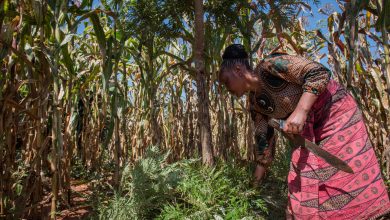
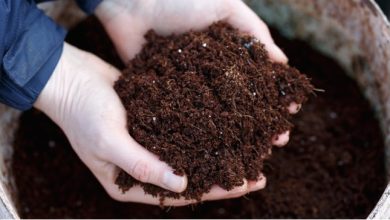
The organisation trains them in making organic fertilisers and manure, controlling pests with natural pesticides, practising intercropping and mulching, and conserving indigenous seeds. The organisation also operates demonstration farms where new sustainable agricultural methods are tested before farmers are shown the results. This practical approach allows farmers to see how a particular technique performs under real farming conditions rather than relying solely on theory.
The emphasis on evidence is also linked to markets. SAT helps farmers access markets for their produce while educating consumers about the potential benefits of food produced without synthetic chemicals. The connection between production and markets is important because farmers are more likely to sustain practices when they can see both economic and practical benefits.
ALSO READ: From bins to farms, how Tanzanian technology is turning human hair waste into fertiliser
Research and conservation are also being used to protect indigenous seeds, particularly varieties considered capable of tolerating drought. Haule says SAT works with organisations including Island of Peace (IDP) and the Tanzania Alliance for Biodiversity (TABIO) to conserve and distribute indigenous maize, bean and sorghum seeds that are drought resistant. For farmers operating under changing environmental conditions, maintaining access to locally adapted seed varieties can form part of a broader strategy for strengthening resilience.
Seed conservation also preserves agricultural biodiversity and gives farmers alternatives that may perform better under particular local conditions. SAT’s work extends into policy advocacy. Haule says the organisation collaborates with the Government and other stakeholders to promote policies and laws supportive of organic and sustainable agriculture.
That effort is strengthened through research partnerships and national platforms where evidence can be presented and debated. This year, SAT participated in the National Conference on Ecological Agriculture Research, bringing together farmers, researchers and students from institutions including Sokoine University of Agriculture (SUA) and the State University of Zanzibar (SUZA).
Haule says the conference provides an important platform for senior researchers and students to present evidence that can contribute to discussions on agricultural and livestock policies. The objective is to demonstrate that ecological agriculture can be productive while also protecting the environment.
SAT also works with institutions and organisations including the Tanzania Agricultural Research Institute (TARI), Tanzania Livestock Research Institute (TALIRI), Swiss Development Organization (SWISSAID) and the Hub for Ecological Agriculture (AEHT), among others.
Students generating farm evidence The involvement of students is an important feature of the research programme. Haule says 15 studies were conducted in Mainland Tanzania by SUA students this year, while five were conducted by SUZA students in Zanzibar, with encouraging results.
The research, he says, involves students from undergraduate level through PhD studies and has contributed to changes in agricultural and livestock practices. SAT sees this link between academic research and farming communities as a pathway towards empowering farmers and livestock keepers with knowledge they can apply directly.
The organisation began conducting research in 2014, focusing on areas including soil, livestock and crop diseases. According to Haule, the results have been positive, with farmers continuing to adopt practices arising from the research. For farmers, the value of such work is ultimately measured in the field.
Vianzi Village farmer Mombeki Cleophas in Mvomero District says research conducted by SUA students has improved productivity across several crops, including cabbage, tomatoes, onions, peppers, sunflower and sesame.
“I am able to produce quality vegetables by using ecological methods, and I am confident because the results have been good. For example, my organic tomatoes produce a lot, they don’t spoil quickly, and they sell reliably,” he says.
Cleophas says research into natural farming methods has also enabled him to produce eggplants weighing almost two kilograms. He adds that his produce has a reliable market and good taste. For him, organic agriculture offers benefits that extend beyond production. He believes it can improve agricultural productivity while protecting the environment and consumer health because synthetic chemicals are not used.
He therefore encourages other farmers to adopt ecological methods, particularly because access to a market can help turn increased production into higher household income. In Mgeta, farmer Luciana Simon says organic agriculture has benefited her family by providing food produced without chemicals while also creating access to a reliable market.
She uses natural pesticides, which she says have helped reduce production costs because commercially available pesticides can be expensive and, in her view, harmful to farmers and consumers.
“I have benefited a lot from organic farming because I have a guaranteed market through SAT, who buy our products,” she says.
Simon encourages other women to consider organic agriculture because of its potential health, environmental and economic benefits. For Abdulah Shauri, the most visible advantage of research-based agriculture is improved production combined with market access.
“I use ecological methods on my farm where I practice intercropping and I get high yields. After selling, I remain with a reserve of five to seven bags,” he says.
Shauri believes farming guided by research can deliver significant benefits and urges the Government to place greater emphasis on agricultural research as a means of increasing production. His experience illustrates an important connection between research and farm management.
ALSO READ: Tanzania is planting millions of trees, but are we planting the right ones?
A technique such as intercropping may appear simple, but its value becomes clearer when farmers observe its effects on yields, resource use and household income. Research tackles livestock challenges The benefits of research are not limited to crop production. Livestock keepers are also applying findings from collaborative studies to address challenges affecting animal health and productivity.
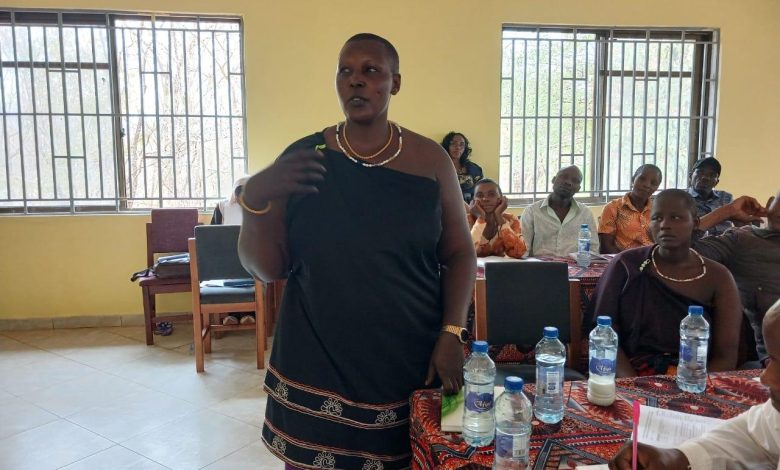
Pendo Simango, a livestock keeper from Lubungo Village, says she worked with researchers from SUA to investigate a method of controlling ticks, a persistent problem affecting cattle. The research examined the use of neem leaves as a natural method of controlling ticks. Simango says the results have been encouraging, with healthier animals and increased milk production.
“To be honest, SAT has opened our eyes. The research we did in collaboration with SUA students has managed to control the tick, which used to torment our cattle. But now we thank God,” she says.
Her experience demonstrates why research becomes most meaningful when it responds to problems farmers already face. Instead of providing solutions detached from rural realities, collaborative research allows farmers to participate in identifying challenges, testing possible remedies and assessing the results.
From research to rural change The experiences of these farmers point to a wider lesson: research becomes powerful when knowledge moves from institutions into fields, farms and households. SAT’s approach combines research with training, demonstration, seed conservation, market access and policy engagement.
Its partnerships with universities, Government research institutions and other organisations create opportunities for scientific findings to be tested and adapted to farmers’ circumstances. For farmers dealing with rising production costs, pests, diseases, soil degradation and changing weather conditions, access to reliable evidence can influence decisions that directly affect productivity and income.
The challenge is to ensure that successful findings reach more communities and that farmers have the resources, training and market opportunities needed to adopt them. The experiences from Mvomero, Mgeta and Lubungo suggest that when research responds to real problems and farmers can observe practical results, it can become more than an academic exercise. It can change production methods, reduce costs, improve livestock health, strengthen market opportunities and contribute to healthier environments.
That is the larger promise of research in agriculture: not simply generating knowledge, but putting credible knowledge to work where it matters most—in the hands of the people who produce the food and sustain rural livelihoods. Pic: Masai Caption: Pendo Simango, a livestock keeper from Lubungo Village, says she worked with researchers from SUA to investigate a method of controlling ticks, a persistent problem affecting cattle.