

Fuel prices fall sharply in three months
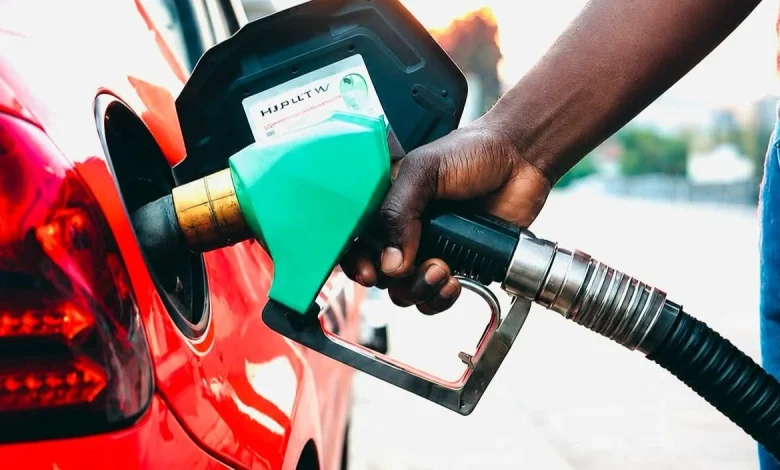
DAR ES SALAAM: PUMP prices of petrol and diesel in the country have fallen by about 7 per cent and 10 per cent, respectively, over the past three months, bringing significant relief to consumers.
Statistics show that petrol prices declined by 96/- in July compared to June, followed by further reductions of 92/- in August and 102/- in September.
Diesel prices, meanwhile, dropped by 151/- in July, 204/- in August and 101/- in September.
The figures show that in June, petrol was selling at 4,086/- per litre, while diesel cost 4,333/-.
However, according to new indicative prices issued on Tuesday by the Energy and Water Utilities Regulatory Authority (EWURA), the September retail prices in Dar es Salaam are 3,796/- per litre for petrol and 3,877/- for diesel.
In Tanga, petrol is selling at 3,872/- per litre, while diesel costs 3,953/-. In Mtwara, petrol is priced at 3,909/- per litre and diesel at 3,990/-.
In Kigoma, petrol is now selling at 4,024/- per litre, while diesel stands at 4,105/-.
The continued decline comes amid volatility in global oil prices, largely linked to the ongoing conflict in the Middle East.
EWURA attributed the downward trend partly to measures taken by the government to keep petroleum products affordable in the domestic market.
“This is due to several efforts taken by the government to ensure prices of petroleum products in the country are affordable,” EWURA said in its latest statement.
The new fuel prices took effect from Wednesday, September 2, 2026, at 12:01am.
At the wholesale level, September prices in Dar es Salaam are capped at 3,649.09/- per litre for petrol, 3,729.79/- for diesel and 3,566.34/- for kerosene.
In Tanga, the wholesale price cap is 3,670.26/- for petrol and 3,726.81/- for diesel, while Mtwara has wholesale caps of 3,653.33/- for petrol and 3,727.62/- for diesel.
EWURA urged all petrol stations to display petroleum product prices on clearly visible boards and issue receipts generated through Electronic Fiscal Pump Printers (EFPP).
Fuel prices have also started to decline globally following a period of easing supply concerns, although the situation remains volatile amid renewed tensions between the United States and Iran.
The Strait of Hormuz, a key route for global oil shipments, has not fully returned to normal commercial traffic, with vessel movements remaining significantly below preconflict levels.
ALSO READ: Mtwara Port investment fuels economic activities
Furthermore, EWURA said the country’s refineries have continued to source crude oil from non-conflict areas, easing concerns over the security of supply.
Nonetheless, average prices have not yet declined to the levels experienced before the conflict that began on February 28, 2026.




Really impressed with the fast payouts here. The interface is smooth and I had a great run last night. Definitely checking out krwinbet30 again soon!