Tanzania’s clean cooking energy zeroes in on food vendors in Temeke areas

DAR ES SALAAM: FOOD vendors in Kurasini, Temeke District, Dar es Salaam, have received training on the use of clean cooking energy, including alternative charcoal and electric stoves, as part of efforts to promote safe and environmentally friendly cooking practices.
During the training, participants were taught how to use alternative charcoal, which can burn for up to six hours when used for cooking different types of food. They were also introduced to energy-efficient electric stoves capable of preparing a variety of meals while consuming less electricity.
The training was conducted by the Petroleum Bulk Procurement Agency (PBPA) in collaboration with Ecopower. The food vendors were encouraged to adopt clean cooking energy to reduce dependence on firewood and conventional charcoal, which contribute to environmental pollution and can pose health risks.
Speaking during the exercise, PBPA Director of Operations, Bruno Tarimo, said the agency decided to target food vendors because they serve a large number of people working in Kurasini and Kigamboni.

He said many workers leave home early in the morning and return at night, making them dependent on meals prepared by food vendors. This makes food vendors an important group in promoting the use of clean cooking energy.
“By reaching food vendors, we are able to reach many more people. When their customers see that food has been prepared using clean energy, they can also learn about it and share the information with their relatives, friends and colleagues,” Tarimo said.
He said the government aims to ensure that 80 percent of Tanzanians are using clean cooking energy by 2034, calling on all stakeholders to contribute to achieving the target.
Tarimo said the training also introduced participants to alternative cooking technologies, including electric and improved stoves designed to reduce energy consumption and smoke emissions.

He said the use of firewood and conventional charcoal can have negative effects on both human health and the environment, adding that the adoption of clean cooking energy would help reduce air pollution and related health problems.
“We are reducing health risks associated with the use of polluting cooking fuels, while also helping to reduce the costs incurred by the government in treating diseases associated with air pollution,” he said.
As part of the initiative, PBPA and its partners distributed 1.75 tonnes of alternative charcoal to 70 food vendors belonging to the Jitihada Group to support their transition to clean cooking energy.
Meanwhile, the President of Tanzania Food Vendors, Latifa Habibu Masasi, said the availability of gas, electric stoves, improved stoves and alternative charcoal has given food vendors an opportunity to choose technologies that suit their needs and financial capacity.
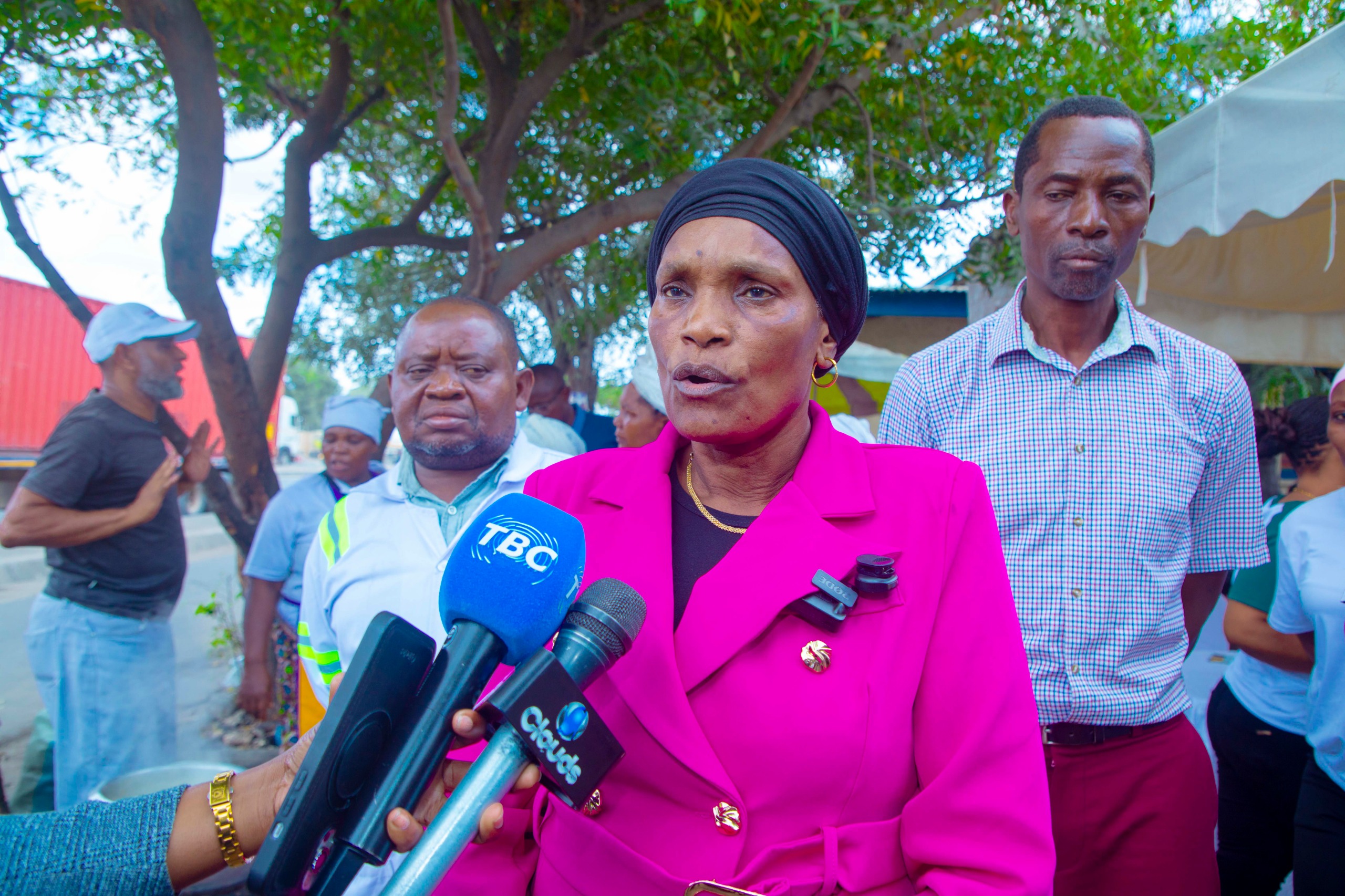
She said clean cooking energy is important in improving food businesses because the technologies enable vendors to prepare meals faster, on time and in safer working environments.
“Clean energy is very important. These technologies add value to the food business chain because they enable food vendors to cook quickly, on time and in safer environments,” Masasi said.
ALSO READ: STAMICO donates 40m/- for a campaign to promote the clean cooking energy in Geita
She said the training marks the beginning of a PBPA campaign aimed at promoting the use of clean cooking energy among food vendors across the country.
According to Masasi, the campaign is expected to continue in other areas where food vendors provide meals to PBPA stakeholders, with the aim of increasing awareness and encouraging wider adoption of clean cooking energy.