Powering Tanzania’s digital future
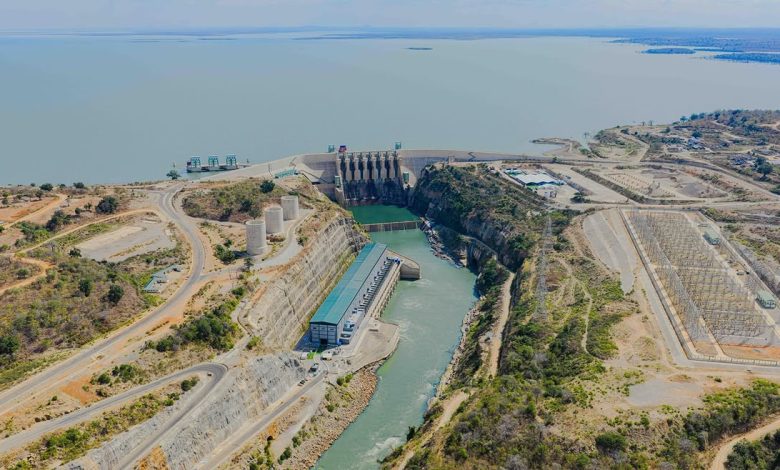
DAR ES SALAAM: ON August 22, 2026 the Julius Nyerere Hydropower Project (JNHPP) was officially commissioned.The Julius Nyerere Hydropower Project (JNHPP) is one of Tanzania’s most important investments in electricity.
With an installed capacity of 2,115 megawatts, the project has significantly increased the country’s ability to generate electricity. Located on the Rufiji River, the project has nine turbines and was built at a cost of 7.45tri/- using domestic resources. Its contribution goes beyond providing electricity to homes, businesses and industries. Reliable electricity can also help Tanzania expand its digital economy, improve internet services and make greater use of technologies such as Artificial Intelligence (AI).
Reliable electricity for a digital economy
Digital services depend on electricity. Data centres, mobile networks, internet services, banks, hospitals and government computer systems all require reliable power to operate.
In the past, power interruptions could affect these services and make it difficult for businesses to depend on digital systems. A more reliable electricity supply creates better conditions for investment in technology and digital infrastructure.
The JNHPP is therefore important not only to the energy sector but also to the country’s growing digital economy.
This is particularly important because internet use in Tanzania has grown rapidly. According to the recent Tanzania Communications Regulatory Authority (TCRA) report , internet penetration has reached 89.7 per cent, with 62.8 million subscriptions. Data traffic also increased by 11.65 per cent in one quarter, reaching 1,041 petabytes.
At the same time, the NICTBB currently extends over approximately 15,000 km of optical fibre infrastructure, making it one of the largest national backbone networks in the region. The network provides connectivity to all 31 mainland regions and Zanzibar and currently reaches approximately 122 of Tanzania’s 139 districts. The NICTBB also extends to the neighbouring countries.
All this infrastructure needs dependable electricity.
Creating opportunities for AI
Artificial intelligence is becoming increasingly important in everyday life and business. AI can help organisations analyse large amounts of information, identify patterns and make better decisions.
In Tanzania, there are opportunities to use AI in areas such as agriculture, healthcare, education, financial services, tax administration and public services.
For example, AI and Big Data can help analyse information and identify possible errors or gaps in tax administration. In agriculture, AI could support farmers with information that helps them make better decisions. In healthcare and education, digital tools could improve access to information and services.
However, AI requires computing infrastructure, data centres, telecommunications networks and reliable electricity. The availability of more dependable power therefore creates a stronger foundation for Tanzania to develop and use these technologies.
The country is also working towards developing Kiswahili language models. This could make AI tools more useful to Tanzanians and other Kiswahili-speaking communities.
Cybersecurity must grow with technology
More digital services also mean greater responsibility to protect people, businesses and institutions from cyber threats.
Every online transaction produces information that needs to be protected. Banks, mobile money services, government systems, hospitals and businesses hold valuable personal and financial information.
TCRA reports that 7,334 fraud attempts were reported during the three months ending June 2026, while more than 39,000 phone numbers linked to fraud were blocked during the 2025/26 financial year.
These figures show why cybersecurity cannot be treated as only an issue for technology experts. It affects ordinary citizens every day.
As Tanzania becomes more digital, organisations will need stronger systems for protecting personal information, detecting fraud, responding to cyber incidents and keeping essential services running.
The strengthening of the Personal Data Protection Commission and improvements to national data infrastructure are therefore important steps.
What does this mean for ordinary Tanzanians?
For ordinary citizens, the benefits of reliable electricity and digital development should be practical.
A stronger electricity supply can support businesses, factories, shops and small enterprises. Better digital infrastructure can make it easier for people to access banking, education, healthcare, government services and other online services.
Youth can also benefit from new opportunities in areas such as software development, data science, AI, cybersecurity and other technology-related professions.
But technology alone will not create these opportunities. Tanzania will need to continue investing in digital skills so that young people can participate meaningfully in the changing economy.
Schools, colleges, universities and training institutions have an important role to play in preparing students for jobs that increasingly require digital knowledge.
Protecting the investment
The JNHPP is a major national infrastructure investment, and protecting it is important.
The same principle applies to Tanzania’s digital infrastructure. Fibre networks, data centres, telecommunications systems, financial platforms and government information systems must also be protected from damage, misuse and cyber attacks.
Physical security and cybersecurity are now closely connected. A modern economy depends on both.
From electricity to opportunity
The real value of the JNHPP will not be measured only by the amount of electricity it generates. Its wider value will come from what Tanzania is able to build on top of that electricity.
Reliable power can support stronger industries, better digital services, modern data centres, expanded broadband, AI development and improved cybersecurity.
For ordinary Tanzanians, the goal should be simple, electricity and technology should translate into better services, more business opportunities, better education and new jobs.
The JNHPP provides an important foundation. The next step is to make full use of that foundation by investing in people, digital infrastructure, innovation and cybersecurity.
Tanzania now has an opportunity to connect its energy progress with its digital ambitions and build an economy in which reliable electricity and modern technology work together to improve everyday life.