TCRA ups support for mathematics, digital clubs
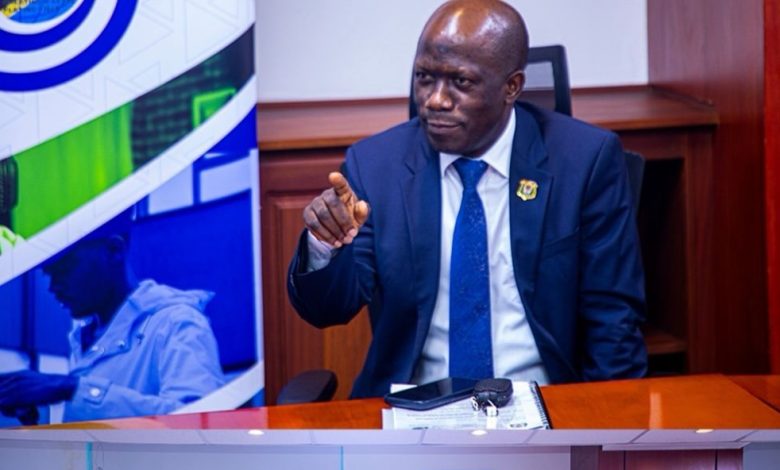
DAR ES SALAAM: THE Tanzania Communications Regulatory Authority (TCRA) has intensified its support for national initiatives aimed at promoting information and communications technology (ICT), science and mathematics education.
TCRA Director General, Engineer Peter Mwasalyanda said over the weekend that the government, through TCRA, has established 800 digital clubs across the country, while continuing to sponsor Tanzania’s participation in continental and international secondary school mathematics competitions.
He said the initiative is part of the government’s drive to build a digitally literate nation. TCRA also supports the Tanzania Mathematical Association (TMA/CHAHITA), which coordinates the competitions and related activities.
Eng Mwasalyanda congratulated six Tanzanian students for flying the national flag high through their outstanding performance at the 2026 Pan African Mathematics Olympiad (PAMO), held in Yamoussoukro, Côte d’Ivoire, last month, as well as the recent International Mathematics Olympiad in Shanghai, China.
Speaking upon the students’ arrival at Julius Nyerere International Airport in Dar es Salaam on Sunday, the Chairman of the Tanzania Mathematical Association, Dr Saidi Sima, said Tanzania’s performance at the Shanghai competition improved the country’s global ranking.
He said the team scored 22 points, up from 14 points recorded last year, marking a significant improvement in Tanzania’s standing.
Dr Sima, who is also a lecturer at the University of Dar es Salaam, said Ms Lightness Pigiliano Ngiliule of St Francis Secondary School was crowned Africa’s Mathematics Queen after her outstanding performance at the Pan African Mathematics Olympiad in Yamoussoukro.
Lightness was among six Tanzanian students who represented the country at this year’s PAMO.
The others were Angel Margaret Zalwango of White Lake Secondary School, Sweetbert John Nene of Alborz Secondary School, Nyandahu Theophil Leonard of Kibaha Secondary School, Joyce Pascali Sulumo of Kilakala Secondary School and Arqam Yassir Salim of Rehema Wakfu School.
Dr Sima thanked TCRA for its continued support, saying the six students returned home with a total of nine medals after Tanzania finished fifth out of 26 participating countries at the continental competition.
He said the three boys each won one medal in the general category, while the three girls won two medals each in the general category, in addition to extra medals in the Girls’ Category.
ALSO READ: How digital clubs’ initiative will shape TZ’s tech future
Science and mathematics are critical pillars of a digital economy. Together with technology and engineering, they form the STEM disciplines, which are essential for driving innovation and economic transformation.
STEM education benefits both nations and individual students by equipping young people with the knowledge and practical skills needed to thrive in an increasingly technologydriven world.
As technological advancement continues to reshape the labour market, STEM competencies will become even more important for future careers.
Eng Mwasalyanda said TCRA is promoting the establishment of digital clubs from nursery school through to university level to help students acquire digital knowledge and practical ICT skills from an early age.
He said the clubs are designed to nurture digital literacy, encourage innovation and promote the adoption of digital technologies across various sectors.
They also provide young people with opportunities to engage in ICT-related activities, including debates, competitions and innovation projects.
Tanzania’s Digital Economy Strategic Framework (2024– 2034) underscores the importance of promoting STEM education from the early stages of learning.
The framework identifies digital literacy and digital skills as key enablers of the country’s digital economy.
“It is essential to integrate digital literacy and critical thinking skills into the standard educational curriculum from lower educational levels, covering digital content such as coding, data analysis, digital citizenship and media literacy,” the framework states.