

The conversation that could save a child’s life
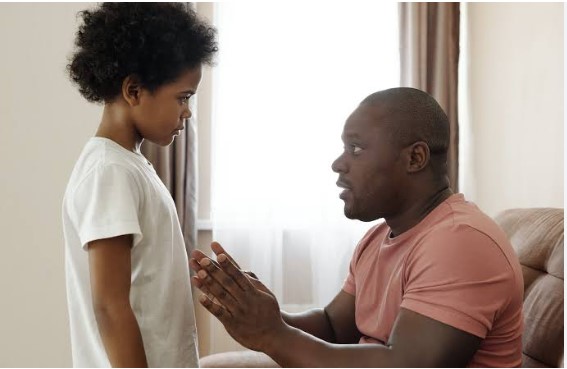
DAR ES SALAAM: EVERY parent dream of raising a happy, successful child. From the day a baby is born, mothers and fathers dedicate themselves to providing the best life possible.
They work tirelessly to put food on the table, pay school fees and create opportunities they may never have had themselves. Yet despite these sacrifices, an unsettling question continues to echo in many homes: Why are more young people taking their own lives? Recent incidents have left families, teachers and communities searching for answers. Are children afraid to confide in their parents?
Has parenting changed? Or are today’s young people facing pressures unlike those experienced by previous generations? According to Happyness Lupamba, a Clinical Pharmacy in Oncology Resident at the University of Nairobi, suicide is rarely caused by a single event.
Instead, it often results from emotional pain that builds over time. “Most suicide cases are multifactorial. A young person may be dealing with several problems at the same time, fail to find solutions and eventually lose hope,” she said.
She explained that mental health disorders, particularly depression, remain among the leading contributors to suicide.
“Depression can make someone lose interest in activities they once enjoyed, struggle to concentrate, experience excessive guilt, feelings of worthlessness and self-blame. In severe cases, they begin having recurring thoughts about death or self-harm. Without timely support, these thoughts can become overwhelming,” she said.
Ms Lupamba added that anxiety, trauma and substance abuse further increase the risk, while modern-day pressures such as social media, unemployment, academic demands and relationship challenges continue to fuel emotional distress among young people.
“Social media has created a culture of constant comparison. Many young people believe everyone else is living a perfect life while they are struggling. Some turn to substance abuse to escape emotional pain or imitate lifestyles they see online,” she said.
She urged families not to ignore sudden behavioural changes.
“When a young person starts isolating themselves from family and friends, loses interest in hobbies, neglects personal hygiene, experiences insomnia or excessive sleeping, or has previously attempted suicide, those are warning signs that require immediate professional attention,” she said.
She also stressed that any young person expressing thoughts of wanting to die should always be taken seriously.
“Encourage them to seek counselling and accompany them to a health facility where they can be assessed and treated for mental health conditions such as depression,” she advised.
ALSO READ: Young voices against gender violence Humour
While understanding the causes is important, Ms Lupamba believes prevention begins much closer to home. “Strong family relationships, open communication and early identification of emotional distress can save lives. Young people need to know they have someone who will listen before their struggles become unbearable,” she said. Retired Akheri Secondary School teacher, Oberilini Sumari agrees that schools also have a critical role in protecting children’s emotional well-being.
“Teachers are often called second parents because we spend a large part of every day with learners. Our responsibility goes beyond teaching subjects. We also have a duty to protect their emotional well-being,” he said.
According to Mr Sumari, teachers are often the first to notice when a learner is struggling.
“When a child suddenly becomes withdrawn, stops participating in class, isolates themselves from friends or their academic performance drops significantly, we should not dismiss it as laziness or indiscipline. Those behavioural changes may be a cry for help,” he said.
He believes schools should strengthen guidance and counselling services while maintaining close communication with parents whenever unusual behaviour is noticed. For parent Josephate Rugeimkamu, preventing emotional distress begins at home.
“Many parents believe providing school fees, food and clothing is enough. Those things are important, but our children also need our time, attention and unconditional love,” he said.
He added that many children hide their struggles because they fear criticism or disappointing their parents. “When every conversation ends with criticism or punishment, children eventually stop talking. That silence can become dangerous,” he said.
Mr Rugeimkamu encouraged parents to create homes where children feel emotionally safe.
“We should ask more than whether homework has been completed or examinations have gone well. We should ask how our children are feeling and genuinely listen to their answers. Home should be the safest place for a child to run to when life becomes difficult, not the place they fear the most,” he said.
Another parent, Neema Mwakipesile, believes parenting must evolve to match the challenges facing today’s generation.
“Our children are growing up in a world dominated by social media, where they constantly compare themselves with unrealistic lifestyles. Many begin believing they are not good enough,” she said.
She urged parents to avoid comparing children with others and instead focus on building their confidence.
“Every child develops differently. Constant comparisons only increase pressure and lower self-esteem. Children need reassurance that they are loved for who they are, not for how they perform,” she said.
She also encouraged families to spend quality time together, noting that children who feel heard and understood at home are more likely to seek help when they face emotional struggles.
As families continue searching for answers, one message stands out: preventing suicide is not the responsibility of one person or one institution.
ALSO READ: Breaking new ground as women transform mining
It begins with parents who choose to listen without judgment. It continues with teachers who notice when a cheerful learner suddenly becomes withdrawn. It requires communities that replace stigma with compassion and encourage those who are struggling to seek help without fear or shame.
Sometimes, the conversation that saves a life begins with something as simple as a parent putting down a phone, a teacher checking in on a quiet student or a friend asking one heartfelt question: “How are you… really?”



Wow, this post really resonated with me! I’ve had those tough conversations with friends about mental health – it’s so vital for our kids. Just like how basketball stars inspire, we can uplift the next generation. Let’s keep talking!