Women parliamentarians champion inclusive peace in Great Lakes Region
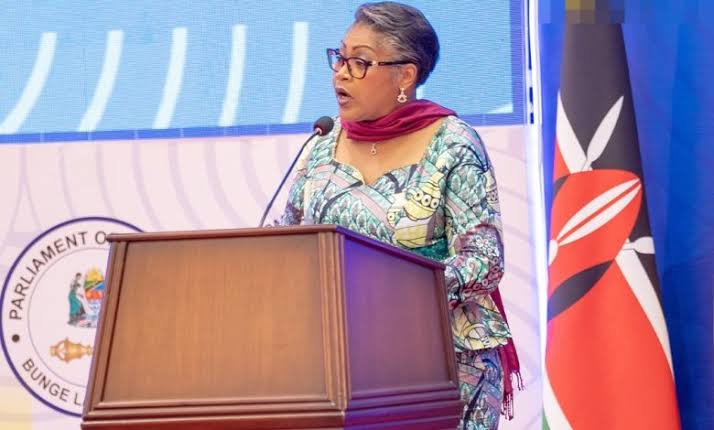
DAR ES SALAAM: WHEN conflict breaks out, women and children are often among those who bear its heaviest consequences. From displacement and disrupted livelihoods to insecurity and limited access to basic services, the effects of conflict reach far beyond the battlefield and into homes and communities.
Yet, despite experiencing these realities first-hand, women are not always adequately represented in the rooms where decisions about peace, security and the future of their communities are made.
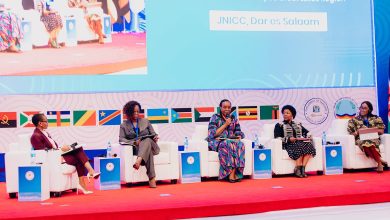
It is this gap between the burden women carry and the influence they exercise in decision-making that has taken centre stage at the Women Parliamentary Conference 2026 in Dar es Salaam.
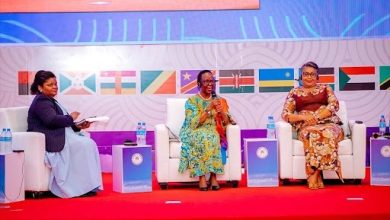
Taking place from November 2 to 5 at the Julius Nyerere International Convention Centre (JNICC), the gathering brings together women parliamentarians and other stakeholders from the Great Lakes Region to explore how women’s leadership can contribute to lasting peace and sustainable development.
Under the theme For a Peaceful and Developed Great Lakes Region, the discussions are challenging the traditional perception that peacebuilding is primarily the responsibility of political and security institutions, emphasising instead the importance of women’s experiences, knowledge and participation.
Among the prominent voices at the gathering is the Prime Minister of the Democratic Republic of Congo, Judith Tuluka, who attended as a special guest.
Her contribution brought an important political perspective to the discussions, particularly on the gap between commitments to gender equality and their implementation.
She observed that although constitutional provisions recognise gender parity, achieving it in practice remains a challenge.
“Our Constitution speaks of parity, but in practical terms, we have not reached that level yet,” she said.
She called for constructive engagement between government and parliament to safeguard people’s well-being, emphasising that both government leaders and elected representatives have a responsibility to deliver results to the people they serve.
Her remarks underscored the need to move beyond legal provisions and political promises to ensure that women enjoy meaningful representation and influence in decision-making.
This message was reinforced by First Deputy Speaker of the Republic of Zambia, Ms Malungo Chisangano, who stressed the importance of listening to women whose experiences are often overlooked in formal decision-making processes.
“We must listen deliberately to rural women, displaced and refugee women, young women, and women with disabilities, and ensure that their priorities influence our decisions,” she said, adding that women’s participation is a matter of equal rights and democracy.
Her remarks point to an important reality: women’s needs cannot be adequately addressed without understanding the different circumstances in which they live.
The broader regional perspective was highlighted by African Union Special Envoy on Women, Peace and Security, Ambassador Liberata Mulamula, who emphasised the need for systematic implementation of the Women, Peace and Security agenda.
She said that the African Union had adopted a strategic plan on women, peace and security, arguing that the agenda should not be treated as a collection of isolated interventions but implemented through coordinated and sustained action.
Advisor on Women, Peace and Security at GIZ, Ms Bwalya Malama, drew attention to the knowledge women already possess within their communities.
“Women in communities possess knowledge and experience that are essential to understanding conflict dynamics and identifying realistic pathways toward peace,” she said.
ALSO READ: Women Parliamentarians urge Great Lakes region to fast track implementation of UN Resolution 1325
She emphasised that this knowledge should not be treated as an additional consideration in formal peacebuilding processes, but as an essential part of them.
This perspective reinforces the importance of recognising women not merely as victims of conflict or beneficiaries of peace initiatives, but also as contributors with valuable experience in preventing tensions and finding solutions.
Special seats Member of Parliament, Dr Zeyana Abdallah Hamind also highlighted the role of civil society organisations, encouraging parliamentarians to work more closely with organisations that have collected information and monitored development indicators over the years.
She urged legislators to use such knowledge to strengthen the work of parliamentary committees and improve their impact at community level.
The different perspectives emerging from the conference point to a shared message, sustainable peace requires collaboration between governments, parliamentarians, civil society and communities, with women playing an influential role throughout the process.
For the Great Lakes Region, where conflict, displacement and insecurity have affected communities across national borders, strengthening women’s participation is not simply a question of gender equality. It is also an important part of building more inclusive and responsive institutions.
As the discussions continue in Dar es Salaam, the real measure of the gathering will be whether its commitments translate into stronger policies, meaningful representation and practical improvements in the lives of women.
After all, peace cannot be fully achieved by decisions made on behalf of women while their voices remain unheard. They must also have a place in shaping it.