

Tanzania launches a 10-year strategic plan to manage human-wildlife disputes
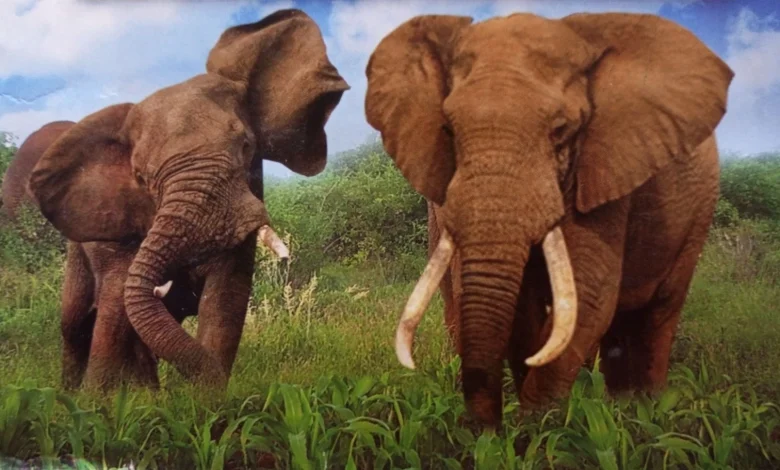
DAR ES SALAAM: THE Tanzanian government has begun taking steps to strengthen the management of human-wildlife conflicts through the development of a 10-year National Strategic Plan for Managing Human-Wildlife Conflicts, covering the 2026/27 to 2036/37 financial years.
The strategy aims to establish a robust framework for addressing challenges arising from human-wildlife interactions in various parts of the country.
Preparations for the strategic plan were conducted from November 4 to 7, 2026, bringing together experts from the Ministries of Natural Resources and Tourism, Water, Finance, Minerals, Lands, Housing and Human Settlements Development, Livestock and Fisheries, and Agriculture.
Other participating institutions included the President’s Office – Planning and Investment, President’s Office – Regional Administration and Local Government (PO-RALG), Prime Minister’s Office – Policy, Parliamentary Affairs and Coordination, the National Land Use Planning Commission and wildlife experts from the National College of Tourism. The participants were tasked with providing views and recommendations to inform the development of the strategy.
ALSO READ: Tanzania seeks innovative strategies to address human-wildlife conflicts
Speaking on the importance of the plan, Director of Wildlife in the Ministry of Natural Resources and Tourism, Dr Alex Lobora, said human-wildlife conflicts remain a challenge that requires close cooperation between the Government and its institutions, communities and conservation stakeholders, with each party fulfilling its responsibilities to find lasting solutions.
“The strategy we are developing should guide us in preventing incidents, reducing their impact and strengthening our capacity to respond promptly. Human-wildlife conflict is a cross-cutting challenge involving land use, agriculture, livestock keeping, water, settlements, investment, mining, infrastructure and other development activities. Therefore, our success will depend on how ministries and institutions work together while fully carrying out their respective responsibilities,” Dr Lobora said.
Completion of the National Strategic Plan for Managing Human-Wildlife Conflicts is expected to mark an important step towards strengthening sustainable wildlife conservation in the country.


With our high population increase, conflicts between human and wild life are inevitable.