Legal aid project boosts rights awareness in Pemba

ZANZIBAR: MORE than 700 residents in Pemba, including hundreds of schoolgirls, have gained legal education and human rights awareness through a community outreach programme aimed at improving access to justice.
The initiative, implemented by the Wete Legal Aid Organisation (WEPO), directly reached 710 people, including 663 female students, while an additional 4,800 listeners were engaged through radio programmes.
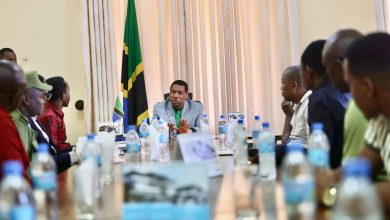
Speaking during a public dialogue at Utaani Secondary School in Wete, Pemba, WEPO Access to Justice Coordinator, Mr Rashid Hassan Mshamata said the project has helped improve public understanding of legal rights and justice systems.
“Our goal is to build a society where people understand their rights and are able to claim them according to the law,” he said.
Mr Mshamata said the project also involved teachers and parents, including 27 women and 19 men, and addressed issues such as land disputes, inheritance rights and human rights protection. He cited a case in which a family had failed to distribute inheritance for more than 30 years, with male relatives controlling property at the expense of other beneficiaries.
The programme also featured live radio discussions that attracted strong public engagement, with at least 146 listeners sending messages, asking questions and sharing concerns. To reach remote island communities, including Fundo, Uvinje, Kojani and Njau, the team conducted face-toface meetings after discovering that many residents had limited access to media platforms.
ALSO READ: Zanzibar hosts key rights review ahead of UN assessment
“We realised relying only on media would exclude some communities. When we visited, they confirmed they rarely receive broadcasts,” he explained.
North Pemba civil society Coordinator Mr Mohamed Hassan Ali said legal awareness remains low, particularly on land use and inheritance rights, and called for sustained public education efforts. Other stakeholders urged WEPO to expand its outreach through more creative approaches.
Journalist Mr Masanja Mabula recommended engaging artists to deliver awareness messages, while Ms Fat-hya Mussa Said advised using social media platforms such as Facebook and TikTok to reach young people. WEPO Director Mr Hemed Ali Hemed said the organisation plans to adopt digital platforms to widen outreach and improve access to legal information.
The project was implemented in partnership with the Department of Constitution and Legal Aid, with support from the United Nations Development Programme (UNDP) and funding from the Embassy of Iceland.