Unsung guardians of the night: Tanzania sees the hidden value of bats
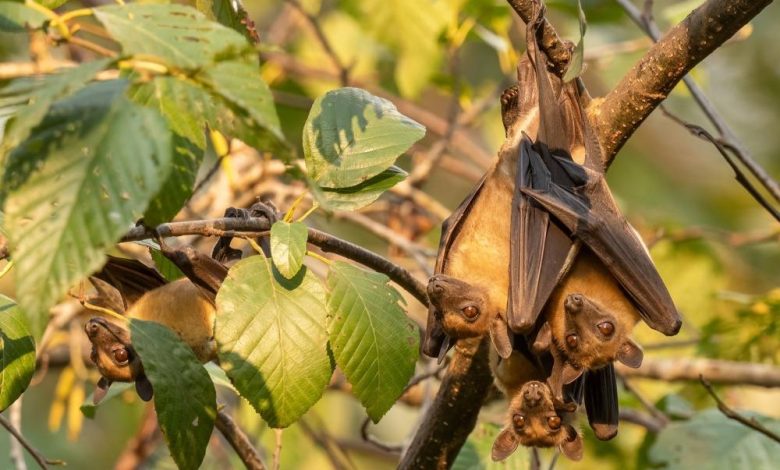
DAR ES SALAAM: EVERY year on International Bat Appreciation Day, conservationists and scientists around the world attempt to shift a long-standing narrative that has unfairly cast bats as symbols of fear, darkness, and danger.
In Tanzania, this narrative is deeply rooted in cultural myths and superstition. However, behind these misconceptions lies a powerful ecological truth: bats are among the most valuable yet overlooked contributors to environmental sustainability and economic stability.
In many communities, bats are associated with witchcraft, disease, or bad omens. These beliefs have contributed to their persecution, habitat destruction, and declining populations. Yet scientific evidence paints a very different picture. Bats are not villains; they are essential ecosystem engineers whose role in maintaining ecological balance is both profound and irreplaceable.
One of the most significant contributions bats make is natural pest control. A single insect-eating bat can consume between 500 to 1,200 insects in just one night. These insects include agricultural pests that damage crops and insects that spread diseases such as malaria. In a country like Tanzania, where agriculture remains a backbone of the economy, this service is invaluable.
By reducing pest populations naturally, bats help farmers minimize crop losses and reduce reliance on chemical pesticides, which can be costly and harmful to the environment.
Beyond pest control, bats also play a crucial role in seed dispersal and forest regeneration. Fruit-eating bats travel long distances, spreading seeds across vast landscapes. This process supports the growth of forests, restores degraded land, and maintains biodiversity. In regions experiencing deforestation or environmental degradation, bats act as silent reforestation agents, ensuring that ecosystems can recover and thrive.
Pollination is another essential service provided by bats, particularly in tropical ecosystems. Certain plants rely on bats for reproduction, including species that are economically important to local communities. Without bats, the survival of these plants and the livelihoods that depend on them would be at risk.
ALSO READ: Gifts that celebrate today and grow tomorrow
Despite these benefits, bats continue to face serious threats. Habitat destruction due to urbanization, deforestation, and agricultural expansion has significantly reduced the spaces where bats can live and breed.
Additionally, fear-driven killings and misinformation have further contributed to their decline. Ironically, the loss of bats could lead to increased pest populations, higher agricultural costs, and greater ecological imbalance problems that directly affect human well-being.
Public perception remains one of the biggest challenges in bat conservation. Changing this perception requires more than just scientific facts; it requires storytelling, education, and community engagement.
Awareness campaigns, especially those tied to global observances like International Bat Appreciation Day, provide an opportunity to reshape how people understand and relate to bats.
In Tanzania, there is growing recognition among environmental organizations and conservation stakeholders that bats deserve more attention. Efforts are being made to educate communities about their ecological importance and to promote coexistence rather than fear. Schools, media platforms, and community programs all have a role to play in this transformation.
Importantly, conservation is not just about protecting wildlife it is about protecting the systems that sustain human life. Bats contribute to food security, economic resilience, and environmental health. Their survival is closely linked to our own.
Hidden threat of ‘Indian’ crows to sustainable birdwatching tourism
As Tanzania continues to develop and expand, it faces the challenge of balancing growth with environmental sustainability. Recognizing the value of bats is a small but significant step toward achieving this balance. Instead of viewing them as creatures to be feared, they should be seen as partners in maintaining a healthy ecosystem.
The message of International Bat Appreciation Day is simple but powerful: understanding leads to appreciation, and appreciation leads to protection. By changing how we see bats, we can begin to protect them and in doing so, protect ourselves.
What makes bats even more remarkable is not just their ecological role, but their measurable economic value, something that is often ignored in public discourse. Scientific studies have consistently shown that bats contribute billions of dollars to agriculture globally through natural pest control.
Research published by the U.S. Geological Survey estimates that bats save farmers at least $3.7bn US dollars annually by reducing crop damage and limiting the need for chemical pesticides.
This figure, although based on data from the United States, provides a powerful indication of what bats could be worth in agricultural economies like Tanzania, where farming is a primary source of livelihood. In fact, broader estimates suggest that the total value of bats in pest control could reach as high as 53bn US dollars annually when accounting for their wider ecological contributions.
Beyond direct economic savings, bats also contribute to long-term agricultural sustainability. According to conservation research, bats consume a wide range of crop-damaging insects, including species that attack maize, fruits, and cotton—crops that are equally important in African economies.
Their feeding behavior reduces pest populations naturally, allowing farmers to depend less on synthetic pesticides, which are not only expensive but can also harm soil health, water systems, and human health.
In addition, studies show that bats play a role in controlling more than 160 different agricultural pest species, demonstrating their importance as a broad and effective biological control system. This makes them one of the most efficient and cost-effective “natural technologies” available to farmers yet they remain largely unrecognized in policy and agricultural planning.
The implications are clear: losing bat populations is not just an environmental issue, but an economic risk. Without bats, farmers could face increased pest outbreaks, higher production costs, and reduced yields. This would place additional pressure on food systems already challenged by climate change and population growth.
In this context, protecting bats should not be seen as a purely conservation-driven effort, but as a strategic investment in national development. For Tanzania, where agriculture drives both food security and economic growth, recognizing bats as part of the agricultural value chain could transform how natural resources are managed.