Water conservation drive shows progress
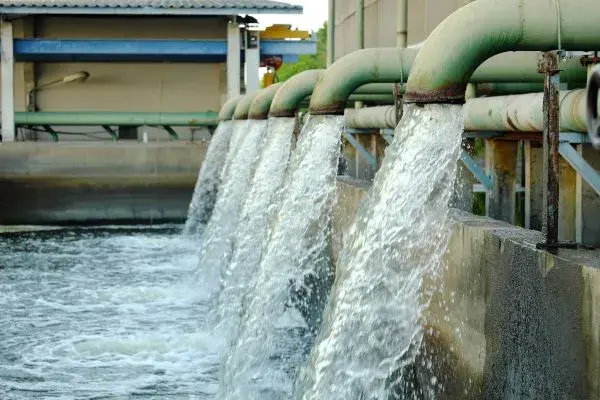
A NATIONAL campaign to safeguard water sources is beginning to bear fruit, with 3,285 sources identified and six million trees planted across the country to protect vital catchment areas.
Deputy Minister for Water, Engineer Kundo Mathew, told the National Assembly yesterday that the progress is part of a long-term programme running from 2021 to 2035 aimed at safeguarding water sources and river basins from environment degradation.
He said this while responding to a basic question from Special Seats MP, Martha Mariki, who sought to know the government’s strategy to protect water sources and prevent the destruction of catchment areas.
Eng Mathew said the programme brings together multiple sectors, including water, agriculture, livestock, natural resources and environment, through a national multi-sectoral team coordinating implementation across the country. He said a number of interventions are already underway, including identification, demarcation and formal protection of water sources.
“So far, a total of 3,285 water sources has been identified, of which 359 have been demarcated and 106 have been gazetted as protected areas,” he noted.
In addition, about six million water-friendly trees have been planted around water sources as part of efforts to restore ecosystems and reduce environment degradation.
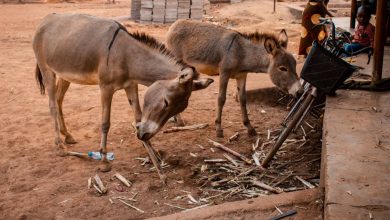
The government has also constructed 86 livestock watering troughs to prevent animals from entering water sources, a move aimed at controlling soil erosion and protecting fragile catchment areas.
In a supplementary question, Ms Mariki sought the government’s position on the ongoing destruction of water sources and what strategies are in place to involve and empower communities living near catchment areas to engage in income-generating activities instead of practices that harm water sources.
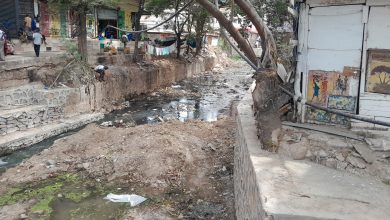
Eng Mathew said water sources remain the foundation of water availability, but human activities, particularly farming and livestock keeping, continue to pose a major challenge as communities increasingly depend on these areas.
ALSO READ: Councils told to strengthen TASAF follow-up
“We have introduced income-generating projects for communities living near these areas to reduce dependence on water sources as part of the measures to address the situation,” he said.
Eng Mathew said that the government was continuing to construct livestock watering troughs to ensure animals do not enter water sources, alongside providing education to communities on the importance of protecting these areas. He further said the introduction of alternative income opportunities is aimed at changing behaviour and reducing pressure on fragile ecosystems.
“By enabling communities to earn income through sustainable activities, the government expects to see a longterm reduction in environmentally harmful practices,” said Eng Mathew.
According to the Deputy Minister, public education campaigns are also being intensified to ensure communities understand the value of conserving water sources and the risks associated with their destruction.
Responding to a followup question on whether the approach is yielding results, Eng Mathew said the strategy is already showing positive impact, with communities increasingly adopting environmentally friendly practices. He said the government will continue to allocate funds to support community-based projects, including climate-related initiatives and irrigation schemes, to strengthen both conservation and livelihoods.
“We have seen positive results from empowering communities economically, and we will continue to provide support to ensure more people benefit,” he said.
Eng Mathew said that through climate financing windows, additional resources are being mobilised to expand conservation efforts and reach more communities across the country.
He emphasised that protecting water sources requires collective responsibility and sustained cooperation between the government and local communities. Eng Mathew said continued education and close monitoring at grassroots level will be critical in ensuring long-term success of the programme.
“The goal is not only to protect water sources, but also to ensure communities understand their value and take part in conserving them,” he added.