Councils told to strengthen TASAF follow-up

DODOMA: LOCAL authorities have been directed to strengthen follow-up and supervision of households that have graduated from the Tanzania Social Action Fund (TASAF), with a focus on ensuring they sustain the economic gains achieved after years of support.
The directives were issued yesterday by Deputy Minister of State in the President’s Office, Public Service Management and Good Governance, Ms Regina Qwaray, in the National Assembly while responding to a basic question from Special Seats MP Mvita Ali on how beneficiaries are supported after graduating from the programme.
“I call on our councils to continue closely following up these households so that they can continue to improve and benefit from available opportunities,” the Deputy Minister stated.
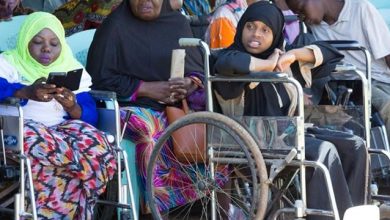
She said local government authorities should also link the households to available opportunities within their jurisdictions, including the 10 per cent loans allocated to youth, women and people with disabilities.
“Beneficiaries are not left on their own after graduating, but continue to receive training and close follow-up from local government to ensure they achieve the goals set during their participation in the programme,” said Ms Qwaray She further said that the government’s approach is to move beneficiaries from dependence on grants to participation in a sustainable economy.
“The government will continue to ensure that beneficiaries who graduate after receiving productive grants are integrated into sustainable economic activities by linking them to financial systems, markets and entrepreneurship skills,” the Deputy Minister stated.
She said that this transition is critical in transforming former beneficiaries into selfreliant entrepreneurs capable of generating income and improving their livelihoods. In a supplementary question, MP Ali sought clarification on the number of women who have graduated from the programme and the current economic status of beneficiaries.
Ms Qwaray said a recent assessment shows that 431,730 households have gained the capacity to sustain themselves after about 10 years of support aimed at lifting them out of extreme poverty.
She said that among these are 757,730 women who have managed to improve their economic conditions and become self-reliant. According to Ms Qwaray, the overall economic situation of beneficiaries is positive and continues to improve due to ongoing follow-up at grassroots level.
“The economic condition of these beneficiaries is good and continues to improve as they are closely monitored by village and street authorities,” she said.
ALSO READ: Commonwealth reaffirms support for TZ reforms, dialogue
Ms Qwaray assured the House that many of those who have exited the programme are progressing well and maintaining their gains.LOCAL authorities have been directed to strengthen follow-up and supervision of households that have graduated from the Tanzania Social Action Fund (TASAF), with a focus on ensuring they sustain the economic gains achieved after years of support.
The directives were issued yesterday by Deputy Minister of State in the President’s Office, Public Service Management and Good Governance, Ms Regina Qwaray, in the National Assembly while responding to a basic question from Special Seats MP Mvita Ali on how beneficiaries are supported after graduating from the programme.
“I call on our councils to continue closely following up these households so that they can continue to improve and benefit from available opportunities,” the Deputy Minister stated.
She said local government authorities should also link the households to available opportunities within their jurisdictions, including the 10 per cent loans allocated to youth, women and people with disabilities. “Beneficiaries are not left on their own after graduating, but continue to receive training and close follow-up from local government to ensure they achieve the goals set during their participation in the programme,” said Ms Qwaray She further said that the government’s approach is to move beneficiaries from dependence on grants to participation in a sustainable economy.
“The government will continue to ensure that beneficiaries who graduate after receiving productive grants are integrated into sustainable economic activities by linking them to financial systems, markets and entrepreneurship skills,” the Deputy Minister stated.
She said that this transition is critical in transforming former beneficiaries into selfreliant entrepreneurs capable of generating income and improving their livelihoods. In a supplementary question, MP Ali sought clarification on the number of women who have graduated from the programme and the current economic status of beneficiaries.
Ms Qwaray said a recent assessment shows that 431,730 households have gained the capacity to sustain themselves after about 10 years of support aimed at lifting them out of extreme poverty. She said that among these are 757,730 women who have managed to improve their economic conditions and become self-reliant. According to Ms Qwaray, the overall economic situation of beneficiaries is positive and continues to improve due to ongoing follow-up at grassroots level.
“The economic condition of these beneficiaries is good and continues to improve as they are closely monitored by village and street authorities,” she said. Ms Qwaray assured the House that many of those who have exited the programme are progressing well and maintaining their gains.
Responding to a supplementary question from Special Seats MP Neema Mwandabila, who asked about measures against individuals fraudulently enrolled in TASAF, she said the identification of beneficiaries is participatory and involves communities through village and street governments.
The Deputy Minister acknowledged that there have been cases where individuals without the required qualifications were included in the programme. The government, she said, has been conducting regular assessments to identify such cases.
“Where ineligible individuals are discovered, they are immediately removed from the programme,” she said.
Ms Qwaray added that action is also taken against officials at village and ward levels who are involved in enrolling unqualified individuals, particularly in cases where corruption is established.
Meanwhile, the government is in the final stages of preparations to roll out the third phase of TASAF, which is expected to address challenges identified in the second phase and strengthen implementation.
Responding to a supplementary question from Special Seats MP Mariam Mwinyi, Ms Qwaray said the improved phase will be launched soon. She said the upcoming phase is designed to build on lessons learned and enhance the programme’s effectiveness in reducing poverty and promoting sustainable livelihoods.