Proudly bullish on funding own development

DAR ES SALAAM: FOR decades, Tanzania’s development ambitions were tethered to external aid and debt.
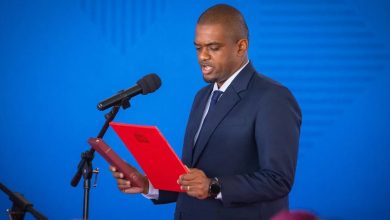
As the Presidential Commission on Tax Reforms submitted its blueprint to President Samia Suluhu Hassan yesterday, a decisive shift is taking shape: the era of dependency is giving way to self-financing.
By targeting a tax-to-GDP ratio of 18 per cent, the country is moving to underwrite its own future—reviving Mwalimu Julius Nyerere’s enduring philosophy of self-reliance. The progress is real.
Tanzania has lifted its tax-to-GDP ratio from around 10 per cent in 2004/05 to 13.3 per cent in 2025. Yet the gap with the Sub-Saharan African average of about 16 per cent remains.
Closing that distance would unlock trillions of shillings to finance hospitals, roads and schools without recourse to external support.
At the core of the proposed reforms is a transition from manual, opaque systems to a modern, digital tax administration. The Commission’s push for “faceless, paperless and cashless” processes signals a decisive break from the past.
Properly executed, it will cut red tape, curb rent-seeking behaviour and make compliance simpler, faster and more transparent. Equally significant is the proposed shift in institutional culture.
Reimagining the Tanzania Revenue Authority as a service-oriented body—symbolised by the suggested rename to Tanzania Revenue Service—captures a deeper change: taxation must serve the economy, not stifle it. As the President has rightly underscored, one cannot expect to milk the cow without feeding it.
Success, therefore, should be measured not only by collections, but by how well taxpayers are supported to grow.
ALSO READ: Commission pushes cashless tax transformation
Bringing the informal sector into the fold is another cornerstone. The proposal for a one-year tax holiday for start-ups is both pragmatic and strategic.
It gives entrepreneurs the breathing space to establish viable businesses before entering the tax net, laying the foundation for a broader and more inclusive revenue base. Predictability, long a concern for investors, is also addressed.
The proposed National Tax Policy and overarching Taxation Act would create a coherent framework, reducing the risk of abrupt and overlapping levies. Stability in tax policy is not a luxury; it is a prerequisite for sustained investment and growth.
If implemented in full, the reforms could raise an additional TZS 11 trillion in revenue within three years.
That is not merely a fiscal statistic; it is the means to invest in productive sectors such as agriculture and in transformative infrastructure—from rail to energy—that will drive long-term growth.
As Tanzania looks toward its development ambitions, this report should be read as a roadmap to economic sovereignty.
Achieving an 18 per cent tax-to-GDP ratio is not just a technical target; it is a statement of intent. The blueprint is now in place. What remains is the resolve to implement it—consistently, decisively and without retreat.