

1bn/- allocated for land planning near Magufuli Bridge
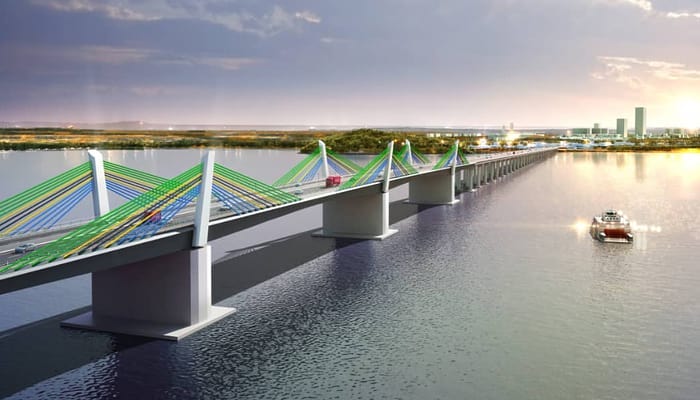
MWANZA: AT least 1bn/- has been allocated for a land planning exercise on the Kigongo side of the newly inaugurated John Pombe Magufuli Bridge, with the aim of giving the area a modern look and value befitting such a major infrastructure project.
The exercise will be carried out over a three-month period starting now, according to Mwanza Regional Assistant Commissioner for Land, Mr Wilson Luge.
He made the remarks mid this week during an evaluation of the Land Department’s achievements for the 2024/25 financial year.
The exercise will be carried out in phases to cover all sides of the bridge, including Kigongo in Misungwi District and Busisi in Sengerema District.
“The current funding is designated for the Kigongo area, where the planning will include, among other things, the establishment of investment zones such as hotels and related facilities aimed at attracting major investors and boosting the country’s economic growth,” said Mr Luge.
“People with unplanned shelters will be compensated to pave the way for this exercise. The area must be as smart as possible, with well-planned infrastructure such as roads, hospitals, schools, police stations and more,” said Mr Luge.
Commenting on the department’s achievements, Mr Luge said that several land planning projects have been implemented in the 2024/25 financial year.
These include land mapping and measurement initiatives in various areas, such as Sese Village in Magu District, where 1,001 plots have been surveyed out of the targeted 2,500.
A similar exercise was carried out in Nkalo Village, Kwimba District home to the Standard Gauge Railway (SGR) station where 890 plots were covered out of the 1,500 initially planned.
ALSO READ: Samia orders long-term preservation of the JP Magufuli Bridge
“Nkalo is also a strategic area poised for a wide range of economic activities once the SGR station becomes operational. It, too, must reflect a modern look that complements the available railway infrastructure,” he stressed.
However, the department fell short in its government royalties collection performance, having raised only 8.5bn/- out of the targeted 20.5bn/- for the year.
Mr Luge attributed the shortfall primarily to low public awareness, noting that many citizens struggle to distinguish between land tax and property (building) tax.
“As a result, most only pay the building tax, which is deducted through electricity purchases, and overlook the annual land tax,” he said.
He added that the lack of mobile phones among some citizens hampers the ability to send payment reminders, forcing officials to locate people manually a process that has yielded limited results.
As a way forward, he announced that the department will resume land clinics starting next month.
These clinics will provide public education on land taxes, surveys, mapping and dispute resolution. Officiating the meeting,
Mwanza Regional Commissioner Mr Said Mtanda called for greater creativity, especially in boosting tax collection, and urged regular awareness campaigns.
“You can generate significant revenue through land clinics. Unfortunately, they’ve become rare and we haven’t heard any valid reason for their suspension,” he remarked.



489691 976094enjoy your imagination!!!! excellent function!! oh yeah.. cool photography too. 357649