Zanzibar gets tablets to improve cancer care

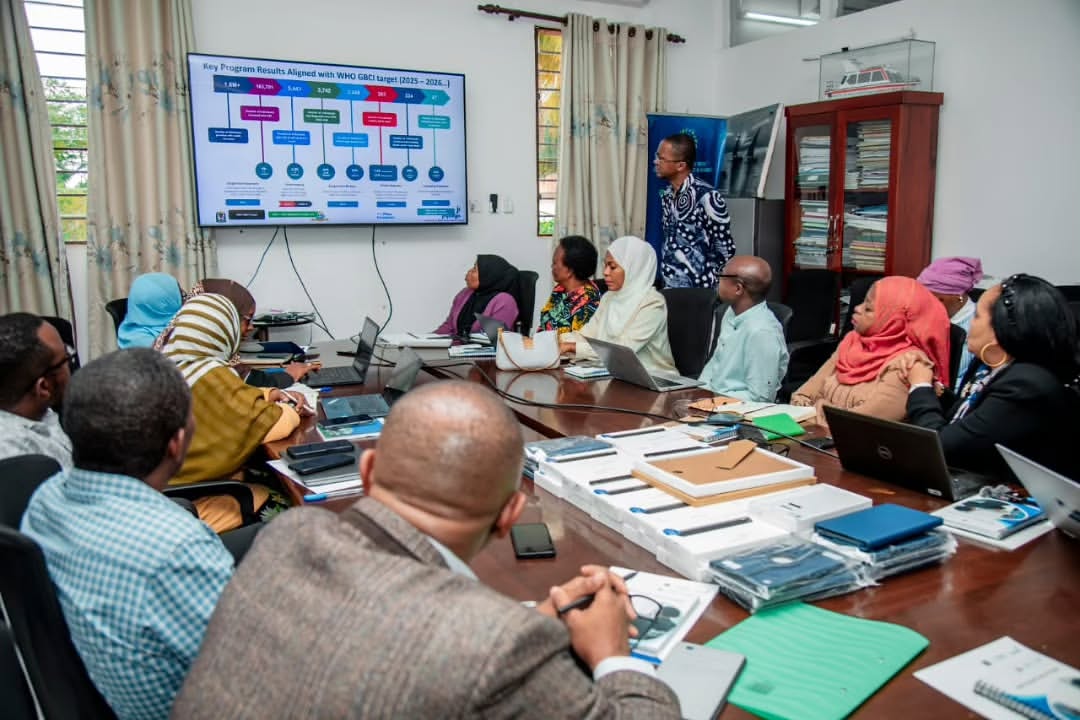
ZANZIBAR: THE Zanzibar Ministry of Health has received 22 tablets from JHPIEGO to improve the collection and management of patient information for cancer services, with an initial focus on breast and cervical cancer.
The devices will be used by health workers to record patient information at different levels of care, starting with community-based services and primary healthcare facilities before patients are referred to district and regional hospitals.
Receiving the donation, Ministry of Health Permanent Secretary Dr Mngereza Mzee Miraji mentioned that reliable patient information was essential for improving cancer care and helping the government plan services based on accurate data.
According to him, the tablets would strengthen the collection and storage of cancer-related information, giving health authorities a clearer picture of the services being provided and the patients being reached.
The data will be integrated into the Zanzibar Electronic Medical Record (ZanEMR) system, allowing patient information to follow a unified record as patients move from primary healthcare facilities to hospitals offering specialised treatment.
“This will help ensure that patient information is captured accurately and maintained within one system, from the point where patients are reached through primary healthcare services to hospitals providing advanced care,” Dr Miraji said.
ALSO READ: Fresh hope for cancer care
The move is expected to reduce gaps in patient records and give health workers better access to information needed to manage patients as they progress through different stages of care.
JHPIEGO’s BEAT Breast Cancer Project Director, Dr Mary Rose Giattas, said the organisation donated the tablets to support breast and cervical cancer programmes in Zanzibar, particularly efforts to improve the quality and completeness of information collected through cancer services.
She noted that the devices would be used across the health system, from community-based screening and awareness activities to facilities providing cancer diagnosis and treatment.
Dr Giattas said JHPIEGO would train health workers on how to use the tablets and the digital system, including entering patient information accurately and on time.
She said better digital data collection would help ensure information generated at different levels of care reaches the central system, giving health authorities timely evidence to guide planning and improve cancer services.
The initiative is expected to strengthen Zanzibar’s cancer information system and improve the availability of data for service planning, resource allocation and monitoring of treatment and screening programmes.