

WHO recommends twice-a-year injection for HIV prevention
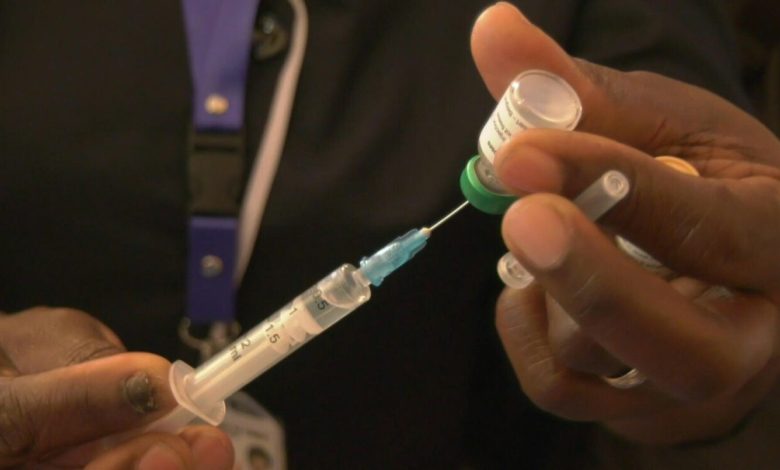
KIGALI: THE World Health Organization is now recommending that countries include a newly approved HIV drug for prevention, lenacapavir, as a tool in their efforts to fight HIV infections, especially for groups most at risk and in areas where the burden of HIV remains high.
This landmark guidance, released at the 13th International AIDS Society Conference in Kigali on July 14 – as concern looms over funding for the global HIV fight endorses the drug’s use every six months, marking a pivotal shift from daily pills to long‑acting, needle‑delivered protection.
What is Lenacapavir? Lenacapavir (brand names Sunlenca for treatment, Yeztu‑ go for prevention) is a long‑acting capsid inhibitor that has redefined HIV prevention.
Administered via injection just twice a year, it works by targeting the structural protein (cap‑ sid) of the HIV, blocking its ability to replicate in the body.
Lenacapavir was approved in 2022 to treat certain HIV infections, and in trials for prevention, it was found to dramatically reduce the risk of infection and provide almost total protection against HIV.
WHO’s official recommendation Dr. Meg Doherty, director of WHO’s Department of Global HIV, Hepatitis and Sexually Transmitted Infections Programmes, said in a news briefing, “These new recommendations are designed for real-world use. WHO is working closely with countries and partners to support the implementa‑ tion.”
Doherty added, “The first recommendation is that a long-acting injectable, lenaca‑ pavir, should be offered as an additional prevention choice for people at risk for HIV and as part of combination prevention.
With that, we call it a strong recommendation with moderate to high certainty of the evidence.”
The second recommendation in the guidelines is that rapid diagnostic tests, like at-home tests, can be used to screen someone for HIV when they are starting, continuing, or stopping long-acting medication to prevent infection, called pre-exposure prophylaxis, or PrEP.
Health leaders, including WHO’s Director‑General Dr. Tedros Adhanom Ghebreyesus, touted lenaca-pavir as “the next best thing” to an HIV vaccine.
This latest endorsement complements existing WHO‑approved prevention methods – daily oral PrEP, bimonthly cabotegravir injections, and the dapivirine vaginal ring.
WHO also streamlined HIV testing protocols to sup‑ port injectable PrEP uptake in community settings, pharma‑ cies, and telehealth contexts.
Why a twice‑yearly injection might prove to be a good shot Lenacapavir is a first-in-class HIV drug that works by targeting the HIV capsid, a protein shell that protects the virus’s genetic material.
ALSO READ: Uganda’s HIV numbers cross 1.5 million mark
It disrupts the capsid’s structure and function, interfering with multiple stages of the HIV life cycle, including nuclear entry, capsid assembly and viral release.
This action prevents HIV from replicating and infecting new cells. Adherence and convenience: Daily pill demands consistency, which many at‑risk individuals struggle to maintain.
Lenacapavir simplifies prevention to two clinic visits per year, helping side‑ step barriers like stigma, pill fatigue, or limited healthcare access.
Effectiveness: Purpose trial data speaks volumes: in one study, zero infections occurred among participants receiving lenacapavir, compared to significant infection rates in the pill based PrEP group.
Equity and access: High‑risk populations – sex workers, LGBTQ+ individuals, people who inject drugs, incarcerated people, adoles‑ cents stand to gain most from an easy‑to‑administer, long‑lasting prevention tool.
What is HIV/AIDS? HIV (human immunodeficien‑ cy virus) is a virus that attacks cells that help the body fight in‑ fection, making a person more vulnerable to other infections and diseases.
It is spread by contact with certain bodily fluids of a person with HIV, most commonly during unprotected sex (sex without a condom or HIV medicine to prevent or treat HIV), or through sharing injection drug equipment.
If left untreated, HIV can lead to the disease AIDS (acquired immunodeficiency syndrome).
Within a few weeks of HIV infection, flu like symptoms such as fever, sore throat, and fatigue can occur.
Then the disease is usually asymptomatic until it progresses to AIDS. AIDS symptoms include weight loss, fever or night sweats, fatigue, and recurrent infections.
There is no existing cure for AIDS, but strict adherence to antiretroviral regimens (ARVs) can dramatically slow the disease’s progress as well as prevent secondary infections and complications.
Vaccines for HIV are under trial, but no effective vaccine has been developed to date.
In early 2025, the global fight against HIV/AIDS faced a significant setback with the United States of America’s decision to halt foreign aid funding for HIV prevention and treat‑ ment programs.
This move, part of a broader 90-day pause in US foreign development assistance, sent shockwaves through the international health community only a week ago, raising alarms about a potential resurgence of the epidemic.
WHO’s endorsement of twice‑yearly lenacapavir marks a transformative moment, especially amidst the looming concerns regarding the funding cuts.
Source: World Health Organisation




326073 792083A quite very interesting post! Ill try to track that continues here! Thank you. 674148