Where innovation meets community: Tanzania’s journey to green, smart cities

DAR ES SALAAM: AS Tanzania’s cities expand at an unprecedented pace, Mwanza, Tanga and Pemba are becoming testing grounds for a new model of urban development, one that combines green infrastructure, economic inclusion and climate resilience to improve citizens’ daily lives.
From improved water access to greener economic opportunities, the transformation toward sustainable cities is gradually becoming visible.
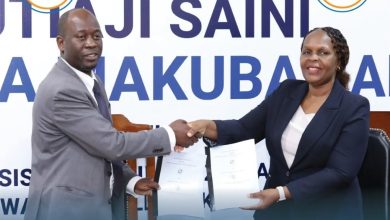
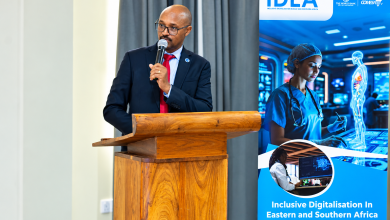
Recently, this vision took centre stage in Dar es Salaam as Tanzania and Team Europe convened the Fourth Technical Meeting of the Green and Smart Cities SASA Programme, bringing together key stakeholders to accelerate sustainable urban development.
The meeting brought together Local Government Authorities (LGAs), government ministries and development partners to assess progress and accelerate efforts aimed at building resilient, inclusive and environmentally sustainable urban centres.
For many participants, the gathering was more than a routine technical session. It was a moment to reflect on how urban planning decisions translate into real change for ordinary citizens, families seeking reliable water services, young entrepreneurs looking for economic opportunities and communities increasingly facing the impacts of climate change.
The SASA Programme, a four-year initiative running from 2022 to 2026, is funded by the European Union together with Germany, France, Belgium and Denmark under the Team Europe Initiative. With an EU contribution of 92.7 million euros, equivalent to about 265bn/- the programme supports sustainable urban development in Mwanza, Tanga and Pemba.
At the heart of discussions during the technical meeting was a simple but urgent question: how can rapidly growing cities expand without leaving people or the environment behind?
Urbanisation in Tanzania has been accelerating, bringing opportunities but also pressure on water systems, food supply, employment and infrastructure.
Participants agreed that cities must evolve in smarter ways, integrating environmental protection with economic growth. One of the key highlights was the progress recorded under three flagship projects that together form the backbone of the SASA Programme.
The ProWas-SASA project, implemented by German Agency for International Cooperation (GIZ), focuses on strengthening water security and climate resilience in urban areas. Improved water management systems are already helping communities cope with unpredictable weather patterns and growing demand for safe water.
For residents in expanding settlements, access to reliable water services means more than convenience; it reduces health risks and allows families to focus on livelihoods instead of daily survival challenges.
Meanwhile, the INCLUCITIES project, implemented by Enabel, is supporting inclusive and green local economies. The initiative prioritises women and youths by promoting sustainable businesses and strengthening local value chains. In cities where unemployment among young people remains a pressing concern, the project is opening pathways for entrepreneurship linked to environmentally responsible practices.
Complementing these efforts is the Tanzania Sustainable Urban Food Investment Programme (TASUFIP) project, implemented by Agence Française de Développement (AFD), which focuses on sustainable urban food investment.
As cities grow, ensuring access to affordable and nutritious food becomes increasingly complex. By strengthening urban food systems, the project aims to make cities more self-reliant while creating income opportunities across agricultural and food distribution sectors.
Unlike traditional meetings dominated by presentations, this technical session adopted mixed working groups that encouraged open dialogue and problem solving across institutions.
ALSO READ: Water security demands public education now
Engineers, planners, policy experts and local government representatives sat side by side to identify challenges and propose solutions. Participants examined implementation progress sector by sector, assessed impacts at the local government level and identified operational challenges affecting project delivery.
Immediate technical solutions were proposed for local issues, while broader policy matters were prepared for discussion at the Programme’s Steering Committee level. The collaborative format underscored an important lesson, building green and smart cities requires coordination across multiple actors.
No single institution can address urban challenges alone. Officials emphasised that the transition toward green cities is not merely about technology or infrastructure but about partnerships that continue beyond the lifespan of development programmes.
The SASA Programme’s Fourth Sector Management Committee Meeting reaffirmed that sustainable urban transformation depends on shared responsibility between governments, development partners, communities and the private sector.
As the programme moves into its next phase, attention is shifting from planning to visible implementation. Stakeholders stressed the importance of translating master plans into tangible infrastructure, greener public spaces, climate-resilient systems and improved public services, particularly for low-income urban communities. Improved access to finance and skills development also emerged as critical priorities. By working closely with the private sector, the programme aims to unlock investments that can sustain urban growth long after external funding phases out. Beyond statistics and funding figures, the human impact remains the programme’s strongest measure of success. For a market vendor in Tanga, better drainage and waste management could mean fewer business disruptions during heavy rains.