When foundation’s surgery brings smiles in Tanzania
TANZANIA: SURELY, in a world often buzzing with hashtags, trends, and celebrity breakups, there is something quietly powerful happening in the wards of the Muhimbili Orthopaedic Institute (MOI) in Dar es Salaam, Tanzania. It does not involve red carpets or viral dance challenges, but it does involve brains, backs, and the biggest kind of bravery you will ever see.
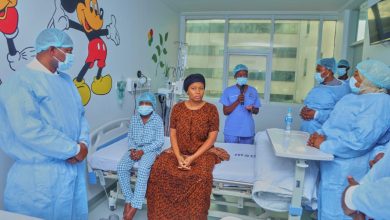
In this heart-lifting tale of courage and compassion, 30 children suffering from hydrocephalus (excess fluid in the brain) and spina bifida (a birth defect involving the spine) have received life-saving surgeries, thanks to a crucial collaboration between MOI and the generosity of the Lalji Foundation. It is a partnership that is quite literally putting heads back in place and restoring hope where it once wavered.
A mother’s gratitude
Leading this emotional charge is Grace Mollel, a mother whose story embodies both struggle and strength. Her child was one of the 30 fortunate young patients who underwent complex surgery at MOI, sponsored by the Lalji Foundation.
“I could not afford the treatment,” she shared, her voice cracking with both relief and disbelief. “But then the Lalji Foundation stepped in. Their support did not just save my child’s life, it brought back their smile.”
And what a smile it is. If you have never seen a child smile after weeks of worry, tubes, and hospital beds, trust us, it hits harder than any season finale or World Cup goal.
Grace is not stopping there. She is on a new mission: urging anyone with the means to consider helping families with children suffering from these conditions. Because let us face it—surgeries aren’t cheap, and neither are the tears of a worried parent.
Before we get carried away by emotion (too late?), let us talk facts. Hydrocephalus is a condition caused by excess fluid in the brain, and spina bifida occurs when the spine doesn’t form properly. These are not rare, isolated cases.
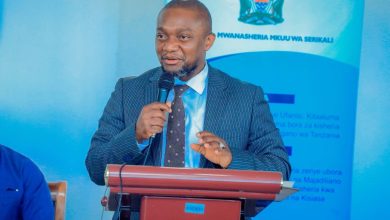
According to Dr Hamisi Shabani, spinal and neurological surgery specialist at MOI, these conditions affect about 4,000 children in Tanzania every year. To break it down, out of every 10,000 births, about three children are born with either or both of these conditions.
“It is a serious issue,” Dr Shabani explained. “But the good news is, awareness is growing. More parents are bringing their children in for early treatment, which is essential.”
The bad news? Many still delay or worse, hide their children out of fear, stigma, or lack of financial resources. That is not just heartbreaking, it is medically risky.
End the stigma, not the smile
Dr Shabani is quick to applaud the efforts of everyday Tanzanians who are helping spread awareness about these conditions. “People are beginning to understand that hydrocephalus and spina bifida are medical issues not curses, not bad luck, and definitely not reasons to be ashamed.”
(Yes, Auntie Judith, this means your neighbor’s baby doesn’t need an exorcism-they need a neurosurgeon.)
When children are brought in early, the chances of successful surgery and long-term health dramatically improve. But for that to happen, people need education, access, and most importantly support.
So, can these conditions be prevented?
Dr Shabani says, absolutely. In many cases, especially with hydrocephalus, prevention begins before the baby is even born.
It starts with folic acid, that superhero nutrient that doesn’t wear a cape but sure deserves one. “If pregnant women are screened early and found to have low levels of folic acid, they can be given supplements,” he said. “That one simple step could drastically reduce the number of these cases.”
So, dear future moms: ask your doctor about folic acid. And if your doctor doesn’t bring it up, ask again loudly.
Standing proudly behind these 30 surgeries is the Lalji Foundation, whose mission is not just about writing checks, it is about changing lives.
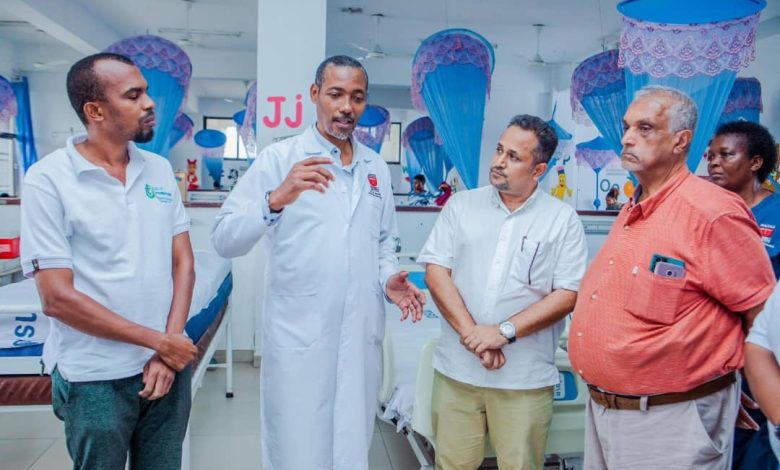
Mohamed Damji, Vice Chairperson of the Foundation, spoke passionately about their involvement. “We know that many parents simply cannot afford these surgeries. But we also know that every child deserves a chance. That is why we partnered with MOI.”
And they are not stopping at 30. Damji confirmed the foundation plans to continue this initiative, ensuring more children get access to life-saving care.
“This is not a one-time campaign,” he said. “This is a long-term commitment. The need is still huge, and we want to reach as many children as possible.”
While the Lalji Foundation is doing the heavy lifting, Damji hopes that other individuals, businesses, and organizations will step up.
“There is room at this table,” he said. “This is not about competition, it is about compassion.”
And really, what better investment could there be than giving a child the ability to walk, learn, laugh, and live without pain? It beats stocks and crypto any day.
Grace Mollel, who now finds herself a bit of an advocate-by-default, has some advice for parents who may suspect something is wrong: Act early.
“Don’t wait. Don’t hide them at home. Get to the hospital,” she urged. “The earlier they get treated, the better their chances. And please, don’t believe the myths. This is medicine, not magic.”
She is right. Early detection and intervention could mean the difference between a manageable condition and a lifelong struggle.
Yes, 30 surgeries are worth celebrating. But they are also just a drop in the bucket compared to the 4,000 children who need help every single year.
The truth is, Tanzania and many countries like it need more partnerships like this one. More awareness campaigns. More prenatal screenings. More folic acid in the spotlight. And definitely more people willing to lend a hand, a coin, or even just a kind word.
ALSO READ: Mwinyi underscores CHWs’ role in healthcare
Because in the end, it’s not just about surgery. It is about dignity, equality, and opportunity. Every child deserves that chance, whether they are born with a perfect spine or one that needs a little help.
So, the next time you think about donating, volunteering, or advocating for a cause-remember this story. Remember Grace. Remember those 30 little warriors. And know that sometimes, the best way to lift a community… is by lifting its children.