

Bed net coverage falls short of target as Tanzania pushes for malaria elimination
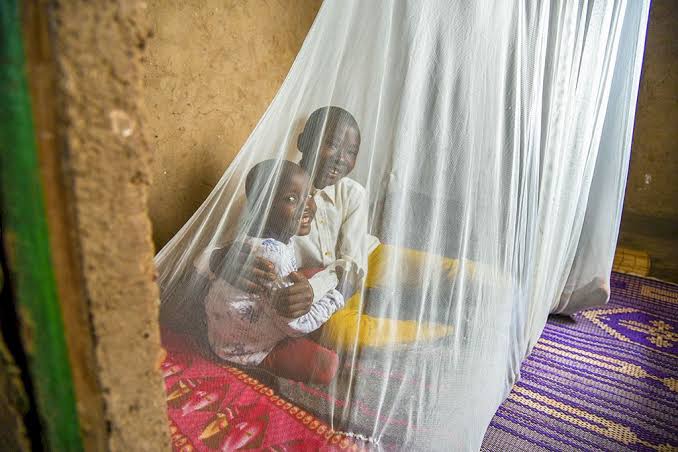
DAR ES SALAAM: A newly published study has found that rural Tanzania is still falling short of its insecticide treated bed net targets, with both ownership and usage remaining below the national benchmark, raising concerns over the country’s ambition to eliminate malaria by 2030.
The study shows that 77.6 per cent of rural residents owned insecticide treated nets, while 77.2 per cent reported sleeping under one the previous night. Both figures fall short of the government target of 80 per cent coverage.
The findings were published last month in the peer reviewed journal Malaria Journal. The study was led by Gervas Chacha of the National Institute for Medical Research, working alongside a multidisciplinary team of researchers from the Ifakara Health Institute, the University of Dar es Salaam, Muhimbili University of Health and Allied Sciences, and the National Malaria Control Programme.
The findings come as Tanzania intensifies efforts to achieve a malaria free society by 2030 through expanded prevention, diagnosis, and treatment programmes.
Researchers observed wide variations across districts, pointing to inequalities in access to malaria prevention tools. Nyasa District in Ruvuma Region recorded the highest bed net ownership at 92.1 per cent and usage at 91.9 per cent, while Kyerwa District in Kagera Region recorded the lowest at 64.4 percent and 64.0 percent respectively.
The researchers warned that Tanzania’s malaria elimination efforts could be undermined if disparities in bed net ownership and use among men, poorer households and less educated communities are not addressed.
Although overall ownership and usage levels were relatively high, both indicators remained below the national target of 80 percent.
“Coverage remained below the national target of 80 percent,” the researchers noted.
The findings point to persistent inequalities in access to and use of insecticide treated nets, which researchers say could slow progress towards malaria elimination unless targeted interventions are strengthened.
Women were significantly more likely than men to own and sleep under insecticide treated nets. The study found that females had 27 percent higher odds of both owning and using a bed net compared to males.
Children under 5 years were among the most protected groups, being nearly twice as likely to own a bed net and more than twice as likely to sleep under one compared to adults.
According to the researchers, this pattern reflects years of targeted distribution through reproductive and child health programmes.
“The higher likelihood of ITN ownership and use in these groups is expected, as women and under 5 children are given free nets through reproductive and child health programmes,” the study said.
Education was identified as another major factor influencing bed net ownership and use.
People with primary education were more likely to own and use bed nets than those with no formal education, while those with secondary education or higher had more than double the likelihood of both owning and using them.
“The higher odds among individuals with primary or higher education may be due to increased likelihood of having learned about malaria prevention in schools and their ability to read and understand malaria prevention messages,” the researchers wrote.
The study also found a strong link between household wealth and bed net coverage. Participants from wealthier households were about 60 percent more likely to own and use insecticide treated nets than those from poorer households.
Researchers said economic barriers continue to limit access to malaria prevention tools among low income families and recommended additional support measures.
“Government should consider increasing ITN subsidies in both private and public distribution channels, including introduction and implementation of special voucher or coupon systems for financially disadvantaged groups,” the study recommended.
The researchers also raised concerns about lower bed net use among men, citing evidence from previous studies suggesting that misconceptions about insecticide treated nets may discourage some men from using them.
They called for targeted awareness campaigns aimed at men, poorer households and less educated communities to help close the remaining coverage gap and strengthen malaria control efforts.
“These findings are critical for refining targeted ITN distribution strategies, improving equity in ITN access as well as strengthening stratified malaria control efforts as Tanzania advances towards malaria elimination,” the researchers said.



References:
Legiano Casino Login http://www.degeneratov.net/proxy.php?link=https://upangmarga.go.id/marshallmistry
References:
KingMaker einzahlung google pay https://tiklagit.net/josecrespin35
References:
KingMaker Casino Bonus sichern moonlinky.com
References:
KingMaker Casino um echtes Geld spielen cse.google.co.th
References:
Monro Casino Spielen https://external.playonlinux.com/
References:
Hitnspin verifizierung http://www.google.be/url?q=https://wiki.kubg.edu.ua/api.php?action=https://de.trustpilot.com/review/der-wikinger-shop.de&*
References:
Monro Casino Turniere forumsad.ru
References:
Hitnspin casino echtgeld https://epsilon.astroempires.com/
References:
Hitnspin login cse.google.mv
References:
Hitnspin casino sign up bonus http://thumbnails.porncore.net/open.php?https://www.holycrossconvent.edu.na/profile/ogleiegstallings79935/profile
References:
Hitnspin casino bewertung http://image.google.je/url?rct=i&sa=t&url=https://www.rosewood.edu.na/profile/neumannjhuamstrup11911/profile
References:
Lollybet Casino Bonus http://shell.cnfol.com/adsence/get_ip.php?url=https://cdn.videy.love/pattydobbs1477
References:
Lollybet Deutschland Login http://images.google.at/url?sa=t&url=https://sbfpageing.com/qsshs
References:
Lollybet Casino PayPal https://www.znzz.com/external_link/?url=https://searl.co/shielafranklyn
References:
Lollybet Startguthaben https://js.11467.com/re?url=https://m.2target.net/chastityhu
References:
Lollybet No Deposit Bonus http://cm-us.wargaming.net/frame/?service=frm&project=wot&realm=us&language=en&login_url=https://cara.win/juniorcolls934
References:
Lollybet Casino Slots http://www.google.co.nz/url?q=https://smartbusinesscards.in/mirandafossett
References:
Lollybet Casino http://images.google.com.ua/url?sa=t&url=https://url.wapp.one/laruewisniewsk
References:
Lollybet Casino No Deposit Bonus https://14.viromin.com/index/d1?diff=0&utm_source=ogdd&utm_campaign=26607&utm_content=&utm_clickid=9sg408wsws80o8o8&aurl=https://brandhelix.click/lizahuxley2933
References:
Lollybet Casino Test http://clients1.google.com.gi/url?q=https://alstr.in/bqwezequiel260
References:
Lollybet Casino Treueprogramm https://www.unifrance.org/newsletter-click/6763261?url=https://link.secret.kg/finlaypilcher
References:
Lollybet Casino Mobile http://toolbarqueries.google.co.cr/url?sa=t&url=https://heylinktree.com/bryanmauldon05
References:
Lollybet Bonus Code http://s0565755c.fastvps-server.com/api.php?action=https://galacticcore.net/stephentrimm80
References:
Lollybet Casino 100 Freispiele https://84.cholteth.com/index/d1?diff=0&utm_clickid=cw0488o4c8wggkcc&aurl=https://qr.dsd.edu.gh/darinmanns5459
References:
Lollybet Casino No Deposit http://kank.o.oo7.jp/cgi-bin/ys4/rank.cgi?mode=link&id=569&url=https://halloit.eu/antoinettekqm3
References:
Lollybet Live Casino https://m.en.acmedelavie.com/member/login.html?returnUrl=https://url79.com/marcelinopowe
References:
Lollybet Casino Bonus ohne Einzahlung http://cse.google.gg/url?sa=i&url=https://gmaweb.online/alfonzodevanny
References:
Lollybet Casino Treueprogramm https://www.xcelenergy.com/stateselector?goto=https://jalie.tech/juliethuhn3704&stateselected=true
References:
%random_anchor_text% https://rentry.co/30743-225-bis-5-000–75-freispiele
References:
Lizaro Casino Bewertung https://werkstraat.com/companies/bonus-3000-300-fs
References:
Candy96 Casino jackpot http://job.dialnumber.in/profile/florenciav0945
References:
Candy96 Casino download https://qalmsecurity.nl/employer/live-games-at-candy96-real-dealer-casino
References:
Vulkan Vegas Casino Bonus https://omga-info.ru/viewer.php?urldocs=https://tothemoon.id/shavonnestoneh
References:
Candy96 Casino live dealer https://bwjobs4graduates.online/companies/candy96-casino-australia-your-premier-gaming-destination-down-under
Undeniably believe that which you said. Your favorite reason appeared to be on the web the simplest thing to be aware of.
I say to you, I certainly get irked while people think about worries that they
plainly do not know about. You managed to hit the nail upon the top and also defined out the
whole thing without having side-effects , people
can take a signal. Will likely be back to get more. Thanks
References:
Irwin Casino Test http://clients1.google.co.nz/url?q=http://1.school2100.com/bitrix/rk.php?goto=https://instantcasinodeutschland.de/
References:
Ggbet Casino Bonus https://b.grabo.bg/special/dealbox-492×73/?affid=19825&city=Sofia&cityid=1&click_url=https%3A%2F%2Fcard.addiscustom.com%2Fenriquetatalbo&deal=199235&rnd=2019121711
Hello there! This is kind of off topic but I need some advice from an established blog.
Is it very difficult to set up your own blog?
I’m not very techincal but I can figure things out pretty quick.
I’m thinking about setting up my own but I’m not sure where to start.
Do you have any points or suggestions? Cheers
References:
Joo Casino Bewertung https://board-de.farmerama.com/proxy.php?link=https://punbb.skynettechnologies.us/profile.php?id=414487
References:
Jungle slots https://1gocasinotest.onlinespielhallende.workers.dev/
Amazing! Its in fact awesome piece of writing,
I have got much clear idea concerning from this paragraph.
I go to see each day a few sites and blogs to read content, but
this blog offers feature based posts.
Pretty great post. I just stumbled upon your blog and wanted
to say that I have really enjoyed surfing around your weblog posts.
In any case I will be subscribing to your feed and I am hoping you write once
more soon!
If you wish for to take a great deal from this post then you have to
apply these methods to your won web site.
Tulisan yang bagus untuk dibaca. Terima kasih sudah menulis tulisan ini.
Pembahasannya menarik. Saya suka cara penyampaiannya. Terima kasih sudah berbagi.
Bagus sekali membaca cerita seperti ini. Ceritanya mudah
diikuti. Sukses selalu.
Saya menikmati membaca tulisan ini. Cara penyampaiannya enak dibaca.
Semoga terus menghadirkan cerita menarik.
Tulisan yang bagus. Penyampaiannya cukup bagus. Salam.
Hmm it seems like your blog ate my first comment (it was super long)
so I guess I’ll just sum it up what I wrote and say, I’m thoroughly enjoying your blog.
I as well am an aspiring blog blogger but I’m still new to everything.
Do you have any tips and hints for newbie blog writers? I’d genuinely appreciate it.
Awesome blog! Do you have any recommendations for aspiring
writers? I’m hoping to start my own site
soon but I’m a little lost on everything. Would
you recommend starting with a free platform like WordPress or go
for a paid option? There are so many options out there that I’m totally confused ..
Any tips? Thanks a lot!
Wonderful post but I was wanting to know if you could write a litte
more on this subject? I’d be very thankful if you could
elaborate a little bit more. Thank you!
If you wish for to increase your experience simply keep visiting this site and be
updated with the latest information posted here.