Weather warnings mean little if journalists fail to turn forecasts into public action
ZANZIBAR: WHEN heavy rains begin to fall, the first warning signs are often visible long before floodwaters enter homes, roads become impassable or buildings begin to collapse.
For journalists in Zanzibar, this means the responsibility begins well before the first major downpour. With Tanzania preparing for an El Niño-influenced rainy season, journalists have been urged to move beyond simply reporting weather events after they happen and instead help communities understand the risks, prepare early and take action. The call comes at a critical time.
The Tanzania Meteorological Authority (TMA) has warned that the October–December 2026 Vuli rainfall season is expected to be significantly influenced by a strong El Niño, with above-normal to normal rainfall forecast in several parts of Tanzania.
The rains are expected to begin in some areas from late September or early October, with increased rainfall particularly anticipated in November and possible off-season rains extending into January 2027.
For Zanzibar, where some communities are already vulnerable to flooding, poor drainage and deteriorating infrastructure, such warnings cannot be treated as routine weather information.
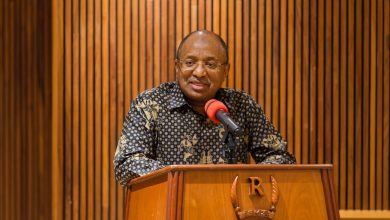
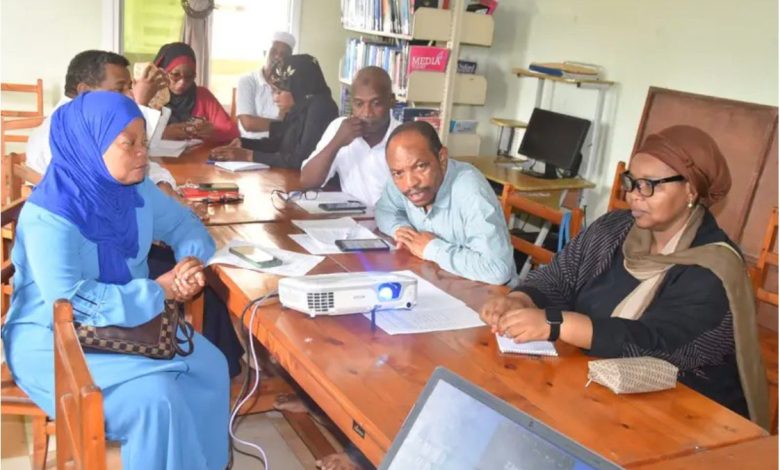
The journalist as an early-warning messenger Speaking during a training session for journalists at Tumekuja School, Urban West Regional Commissioner (RC) Mohammed Ali Abdallah said journalists had a crucial role in ensuring that weather forecasts and disaster warnings reached communities on time and in language that ordinary people could understand.
He urged journalists to understand maps identifying high-risk areas so they can explain which communities may face flooding, landslides, infrastructure damage and other consequences of heavy rainfall.
His message reflects a fundamental shift in disaster reporting: Journalists should not wait for a disaster to become news before they start reporting about it.
Instead, reporting should help people understand what could happen, where the risks are greatest and what they can do before the danger arrives.
In Urban West, officials have identified 75 Shehias as potentially vulnerable, 32 in Mjini, 27 in Magharibi ‘A’ and 16 in Magharibi ‘B’.
Among areas identified with water-related challenges are Jang’ombe, Mpendae, Mbirihamrani, Magomeni, Mea, Mikunguni, Nyerere, Amani, Kilimahewa, Chumbuni and Karakana. In Magharibi ‘A’, areas including Mwakaje, Mbuzini, Kihinani, Kikangoni and Dole have been identified for attention, while Tomondo, particularly Ziwa Maboga, has been singled out as a high-risk area, with more than 900 houses estimated to be potentially affected by flooding.
These figures should not simply become statistics in a news story. They should become information that helps people make decisions. The danger is not limited to flooding.
TMA Director General Dr Ladislaus Chang’a has warned that excessive soil moisture and flooding could affect crops and agricultural infrastructure, while rising water levels in dams and rivers could affect water and energy infrastructure.
Contaminated water could also increase the risk of disease outbreaks. For journalists, this means asking deeper questions. What happens to children when roads to schools are flooded? What happens to patients when health facilities become inaccessible? How will fishermen, farmers and small businesses cope? Which bridges, roads and drainage systems are most vulnerable? Where can families seek help if they have to evacuate? These are the questions that turn a weather forecast into public-service journalism.
The risks are also visible in Zanzibar’s historic Stone Town. An assessment cited during the journalists’ training found 105 buildings in a deteriorated condition, with 27 considered to be in particularly poor condition and requiring urgent safety measures.
Water infiltration through roofs and ageing drainage systems was identified as one of the major contributors to the deterioration of old buildings.
This makes accurate and timely weather information particularly important for residents, authorities and property owners. The warning is not coming from Tanzania alone.
The World Meteorological Organisation (WMO) says the Greater Horn of Africa is expected to be warmer and wetter than usual during the last quarter of 2026 as El Niño strengthens.
According to WMO, there is an increased likelihood of wetter-than-normal conditions across the region. While additional rainfall could improve water and pasture availability, excessive rainfall significantly increases the risk of floods, loss of life, crop destruction, infrastructure damage and outbreaks of water- and vector-borne diseases.
WMO has emphasised the importance of acting before disasters occur. In a recent warning, the organisation noted: “Forecasts in themselves do not prevent hazards, people do.” That message should resonate strongly with journalists.
A forecast only becomes useful when people understand it and use it to take action. From reporting disasters to preventing them The media therefore has a critical role in closing the gap between scientific information and community action.
Journalists should explain technical terms such as El Niño, rainfall probabilities and early warnings in language that ordinary people can understand.
ALSO READ: Act now to keep El Niño from turning into disaster
They should identify vulnerable communities, interview meteorologists and disaster-management experts, and regularly update the public as forecasts change.
They should also promote practical preparedness: Clearing blocked drains, avoiding construction in flood-prone areas, protecting important documents and property, identifying safe evacuation routes and paying particular attention to children, older people and persons with disabilities.
At the same time, journalists must avoid creating unnecessary fear. El Niño does not mean every community will experience disaster. Forecasts describe probabilities and risks, not certainties.
Responsible reporting should therefore combine urgency with accuracy, avoiding sensational headlines and unverified information.
Zanzibar Disaster Management Commission Executive Director Makame Khatibu Makame has urged residents not to ignore official warnings and stressed the importance of preparedness, monitoring weather information, maintaining clean surroundings and following instructions from authorities.
For journalists, the message is equally clear. The coming rainy season is not simply another weather story. It is a test of how effectively the media can transform scientific forecasts into information that saves lives.
The most successful disaster story may ultimately be the one that prevents the disaster from becoming a tragedy.