Victims of the Oct 29 unrest condemns violence, property destruction
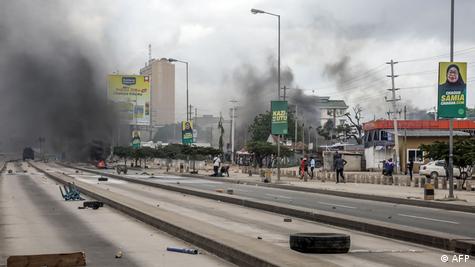
DAR ES SALAAM: VICTIMS of violence linked to the October 25 General Election’s unrest have told investigators that the incidents went against Tanzania’s values, as a national probe spanning 202 affected areas gathers evidence to guide healing and accountability.
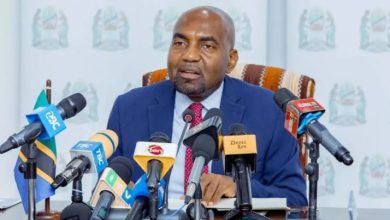
Presenting key findings, Commission Chairperson Chande said Tanzanian citizens who appeared before the commission consistently described what happened during and after the polls as contrary to the country’s traditions, character and the ideals instilled by the nation’s founders.
He said many victims — including those injured, bereaved or who suffered property loss — expressed deep pain but also showed trust in the commission’s work, hoping its report and recommendations will help the nation heal, ensure accountability and chart a path forward.
The investigation covered 202 of the most affected locations across 21 districts in 11 regions, including Dar es Salaam, Mbeya, Songwe, Mwanza, Geita, Arusha, Iringa, Dodoma, Shinyanga, Mara and Ruvuma.
The commission also visited Zanzibar and Kilimanjaro Region as sample areas that did not experience unrest, to better understand the contrasting conditions.
ALSO READ: Tanzania allocates 578m/- for upgrading tourism at Mangrove Boardwalk
Chande said the inquiry was guided by strict operational procedures and a clear methodology aligned with its terms of reference. Evidence gathering combined primary sources — including testimonies and direct accounts — with secondary sources using both qualitative and statistical methods.
Consultations brought together a wide cross-section of society, including religious leaders, serving and retired government officials, and politicians.
He noted the commission adhered to international standards for such investigations, particularly in ensuring witness safety, confidentiality and protection. Individuals unwilling to testify publicly were given the option to submit information privately, with many of them being victims who had lost relatives.
In total, 1,323 victims were heard, with sworn statements taken from 553 individuals. The commission also received 149 written submissions by post, 323 delivered physically to its offices and 557 via email, alongside 4,891 questionnaires and 33,250 SMS messages.
Digital evidence formed a significant part of the analysis, with 450 still images and 880 video clips collected from various sources, including widely circulated online content.
Chande said forensic analysis by certified experts confirmed that while some of the digital materials were authentic, others had been manipulated using artificial intelligence, underscoring the need for careful verification in the digital age.