Unity is Tanzania’s path to progress – Chijoriga
KIBAHA: TANZANIANS have been urged to uphold unity and solidarity, regardless of ideological, religious, or ethnic differences, as essential pillars for building an inclusive and sustainable economy and safeguarding the nation’s future.
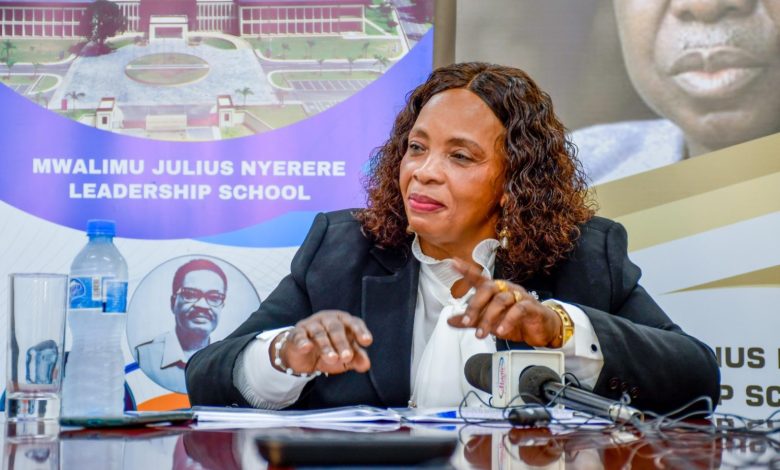
The call was made on Saturday by the Principal of the Mwalimu Julius Nyerere Leadership School, Professor Marcelina Chijoriga, during an exclusive interview with the ‘Daily News’, ‘Habari Leo’ and ‘Daily News Digital’.
The media outlets, under the Tanzania Standard (Newspapers) Limited (TSN), visited the institution in Kibaha, Coast Region.
This appeal comes at a critical moment for Tanzania, which is still recovering from the unrest of October 29, 2025 and is awaiting the findings of the Commission of Inquiry into the events that occurred during and after the election.
These findings are expected to play a key role in fostering peace and national reconciliation. Prof Chijoriga expressed support for the commission, noting that it mirrors successful approaches such as South Africa’s Truth and Reconciliation Commission.
Prof Chijoriga stressed that reconciliation is crucial for conflict resolution and national resilience. It allows individuals to express grievances, listen to one another and reach mutual understanding.
She said it also opens the door for national self-correction, enabling citizens to reflect on past mistakes and learn from them. Genuine reconciliation, she noted, requires all parties to be willing to forgive and move forward.
Drawing examples from history, she cited Nelson Mandela’s choice of reconciliation after 27 years of imprisonment, aimed at restoring justice, equality and national unity in South Africa.
She also referenced Kenya’s postelection violence in 2007, which led to the Waki Commission and subsequent reforms that restored peace and stability.
Prof Chijoriga highlighted the significant role of religious and traditional leaders in reconciliation, comparing their role to that of elders in resolving family disputes.
Prof Chijoriga said that as Tanzania approaches the birth anniversary of Mwalimu Julius Nyerere, who would have turned 104 on April 13, it is an opportune moment for citizens to reflect on and uphold his enduring philosophy of unity and solidarity.
She stressed that nation-building cannot be achieved by individuals acting alone but requires collective effort and shared commitment.
Prof Chijoriga said Tanzania, like many developing nations, needs collective effort to achieve economic growth, social welfare and material progress.
For her, unity ensures that resources, ideas and efforts are aligned toward common national goals, making development more effective and sustainable.
“Nation-building cannot be achieved by individuals or fragmented groups. For a developing nation such as Tanzania, which aspires to build a sustainable and inclusive economy that benefits all its people, unity is not optional but indispensable,” Prof Chijoriga said.
She warned that divided nations struggle to achieve sustainable development, both in human welfare and material progress.
Drawing on Nyerere’s teachings, she highlighted that he consistently condemned division and fragmentation, advocating instead for unity as a powerful tool for national success.
“Division along ideological, ethnic, or religious lines will only weaken social cohesion, create tension and threaten peace. By promoting solidarity, citizens are less likely to fall into political or ethnic rivalries that can derail national projects and destabilise communities. Social cohesion strengthens resilience against crises, both internal and external,” she said.
Prof Chijoriga also noted Nyerere’s vision of African unity, pointing out that regional and continental bodies such as the East African Community (EAC) and the African Union (AU) demonstrate how cooperation fosters development and resilience.
She added that Southern African countries achieved independence largely by embracing unity and pursuing shared ideological goals, which proved decisive in their liberation struggles. She said unity encourages political parties and leaders to prioritise national interest over narrow agendas.
This fosters inclusive governance where policies reflect the needs of all citizens rather than benefiting select groups. She said that solidarity also ensures marginalised voices, especially women and youth, are heard, improving accountability and policy effectiveness.
She urged Tanzanians to remain committed to the pillars of the national development vision, including good governance, peace, security and stability, warning that without unity and a shared sense of purpose, the broader development agenda would struggle to succeed.
Prof Chijoriga also cautioned against political ideologies that promote division along regional, ethnic, or religious lines.
While recognising the importance of multiparty democracy, she stressed that political actors should prioritise the national interest and promote unity, rather than narrow identities that weaken social cohesion.
ALSO READ: Shia Ithna-Asheri community commends Tanzania’s people-centred diplomacy
She underscored that development should transcend party, religious, or ethnic affiliations and be pursued as a collective national objective aimed at improving the lives of all citizens.
The principal called on Tanzanians to engage in honest self-reflection, acknowledge shortcomings and embrace change to advance unity, love and solidarity as the foundation for genuine development and lasting peace.
Prof Chijoriga referenced Chama Cha Mapinduzi (CCM), noting its philosophy of socialism and self-reliance has long promoted unity and peoplecentred development. She also emphasised patriotism, encouraging citizens to take ownership of their country as a shared heritage worth protecting.
She highlighted the importance of dialogue, consensus-building and peaceful conflict resolution to maintain long-term stability, noting that effective leadership requires vision, strategic planning and the ability to implement policies efficiently.
Referring to Tanzania’s long-term Development Vision 2050, Prof Chijoriga underscored the role of community-based systems such as the 10-cell initiative in promoting mutual awareness, trust and collective responsibility, key to sustaining unity and social cohesion.
She said community structures, such as the 10-cell initiative, rely on solidarity to function effectively, adding strong local networks enhance communication, mutual support and trust among citizens, which is crucial for national security, local development and societal harmony.
She also stressed ethical leadership, urging leaders to lead by example in demonstrating integrity and combating corruption, while promoting inclusive governance that engages citizens in decisions affecting their lives.
On youth engagement, Prof Chijoriga called for structured mechanisms from central government to local levels to ensure the younger generation’s voices are heard.
“By harnessing the energy, creativity and innovation of youth, Tanzania can drive national development,” she said.
She said Tanzania’s youth constitute a significant portion of the population.
By uniting citizens around common goals and providing structured avenues for youth participation, the country can harness their energy, creativity and innovation to drive national development. Without unity, youth potential can be fragmented or misdirected.
“Unity, solidarity and shared responsibility remain the cornerstones of a prosperous and peaceful nation,” Prof Chijoriga concluded.
Prof Chijoriga’s message is crucial because unity and solidarity are not just moral imperatives, they are practical, strategic tools for building a stable, prosperous and inclusive Tanzania.
Without these values, the country risks fragmentation, stalled development and weakened social cohesion.
By embedding unity in governance, civic life and youth engagement, Tanzania can ensure sustainable development, national resilience and long term peace.