

Ukerewe steps up efforts to prevent maternal deaths, improve child health

UKEREWE: UKEREWE District Council has adopted sustainable and measurable strategies to improve maternal and child health services and prevent avoidable maternal and neonatal deaths.
The strategies include improving the quality and efficiency of care during pregnancy, childbirth and the postpartum period, as well as strengthening the capacity of health workers.
The measures were outlined yesterday during a special meeting for the first quarter of the 2026/27 financial year, held to review the Maternal and Perinatal Death Surveillance and Response (MPDSR) system.
Opening the meeting, Ukerewe Acting District Medical Officer Dr Revocatus Cleophace said the forum provided an opportunity to assess challenges affecting maternal and child health services and develop appropriate responses.
He said the district was prioritising early identification and management of factors that could contribute to maternal and neonatal deaths.
“The goal is to improve maternal and child health services and to reduce or completely prevent maternal and infant deaths caused by avoidable factors,” he said.
Dr Cleophace said strengthening health workers’ professional knowledge and skills was essential to ensuring pregnant women, mothers in labour and newborns received safe, quality and timely care.
He urged health workers to work as a team in assessing every challenge arising in maternal and child health services, identifying its root cause and putting in place measures to prevent similar incidents from recurring.
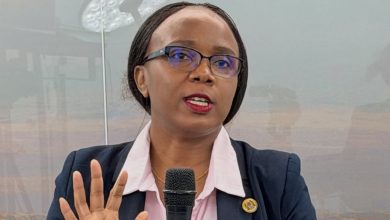
Ukerewe District Maternal and Child Health Coordinator Moshi Mgono urged pregnant women to begin attending antenatal clinics immediately after being pregnant.
She said early attendance enabled health workers to provide necessary care and counselling while identifying complications that could endanger the mother or baby.
ALSO READ: Maternal health project set for wider expansion
Ms Mgono said antenatal services included essential tests, including HIV screening, counselling and monitoring of pregnancy.
She also encouraged fathers or partners to accompany pregnant women to antenatal clinics so they could receive information on pregnancy, childbirth and childcare.
She said involving both parents helped families recognise danger signs during pregnancy and childbirth and take prompt action when complications occurred.
Ms Mgono further urged mothers to return to health facilities three days after delivery for follow-up care for themselves and their babies.
Acting Ukerewe District Nursing Officer Lucia George urged nurses to remain vigilant and respond quickly to emergencies during and after childbirth.
She said timely intervention could save the lives of both mothers and newborns, stressing the need for health workers to apply their skills and adhere to professional guidelines.
Ms George also called for ambulances used to transfer patients to be adequately equipped with essential medicines and medical supplies to avoid delays in treatment.
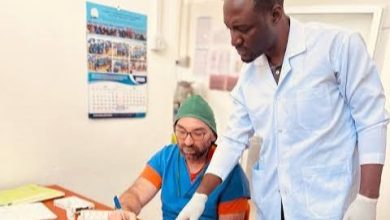
A nurse at Nansio-Ukerewe District Hospital, Edson Revocatus, said the meeting had enabled health workers to discuss challenges affecting service delivery and identify ways of addressing them.
He said such forums also enabled staff to share experiences and learn from one another on ways of improving patient care.
“Caring for mothers and infants requires attentiveness, teamwork and readiness to act promptly, as delays in service delivery can increase risks to the lives of the mother or the child,” he said.


I appreciate the insightful content shared here. The explanations are easy to follow and provide useful knowledge for readers. Thank you for consistently posting high-quality information that adds value and supports learning.
I appreciate the thoughtful information presented in this article. The content is easy to read and filled with useful details. Thank you for continuously publishing high-quality and educational posts.
Enjoyed going through this. Not something I see covered this well very often. Sharing one of the places I follow for this kind of thing: https://xtremepape.rs/members/nagahoki88blog.696041/#about Keep the posts coming.